
Last updated November 22, 2026
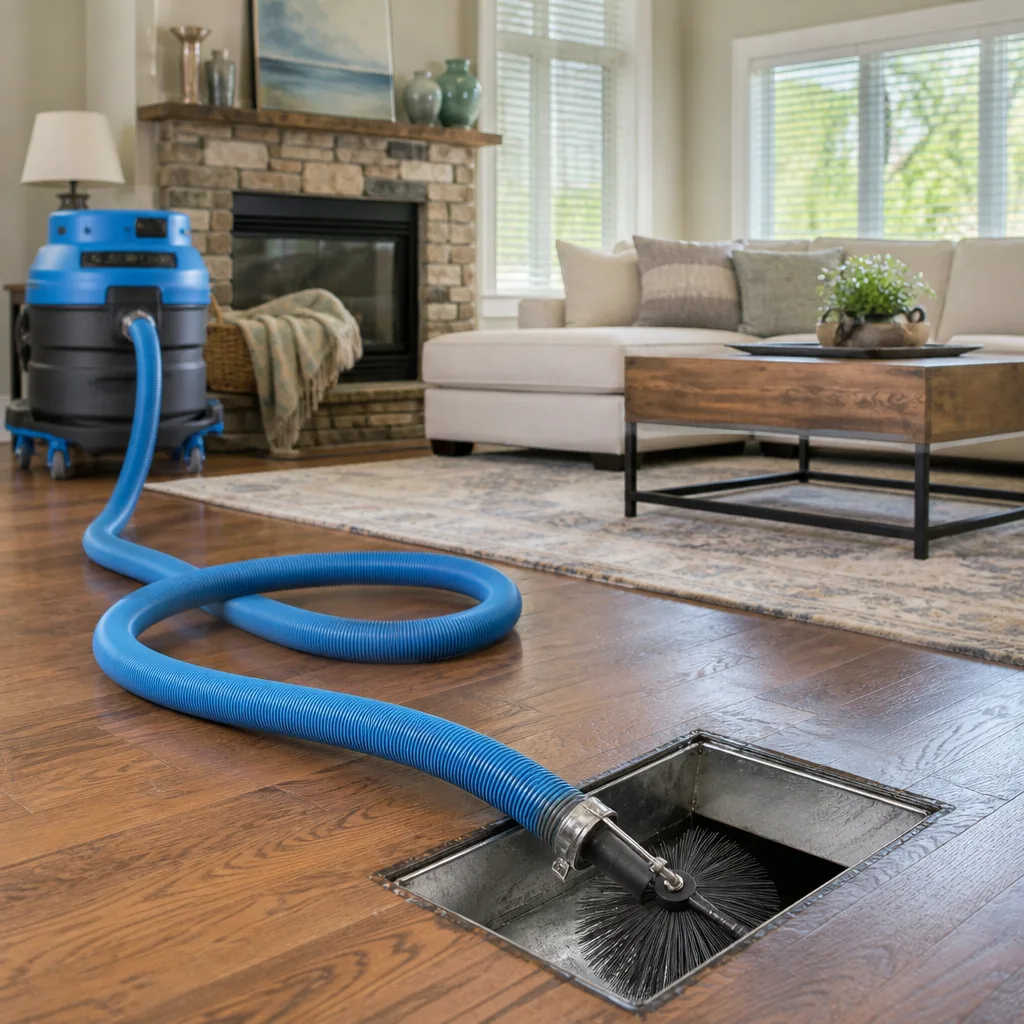 Whole-home duct cleaning
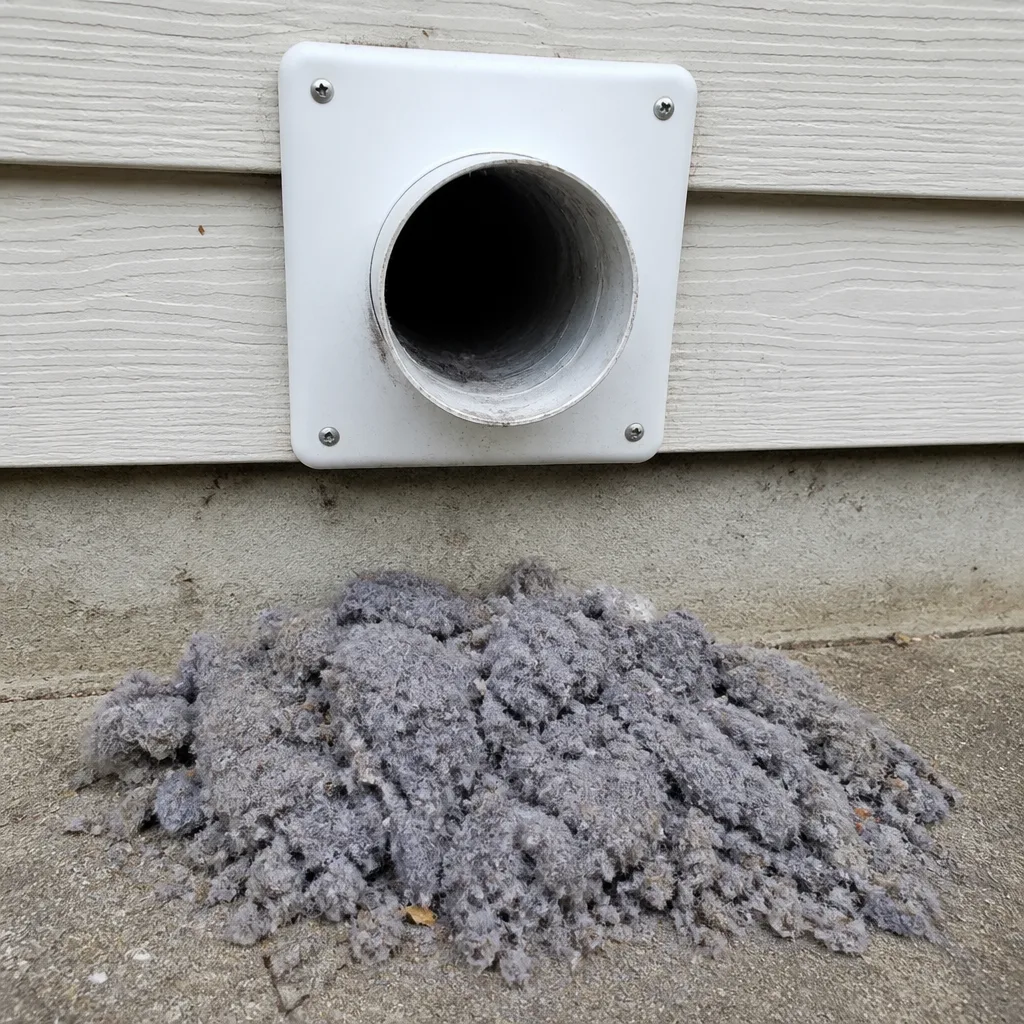 Dryer vent cleaning
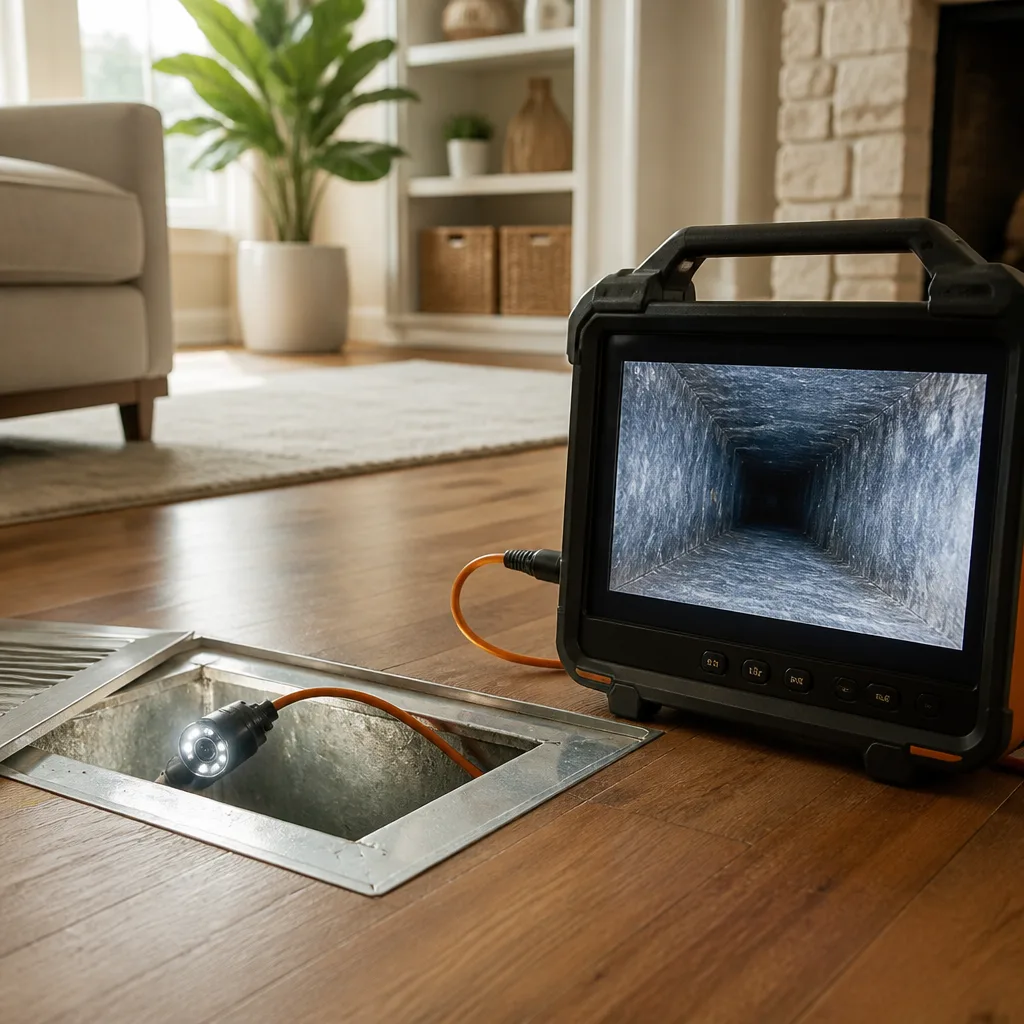 Camera inspection
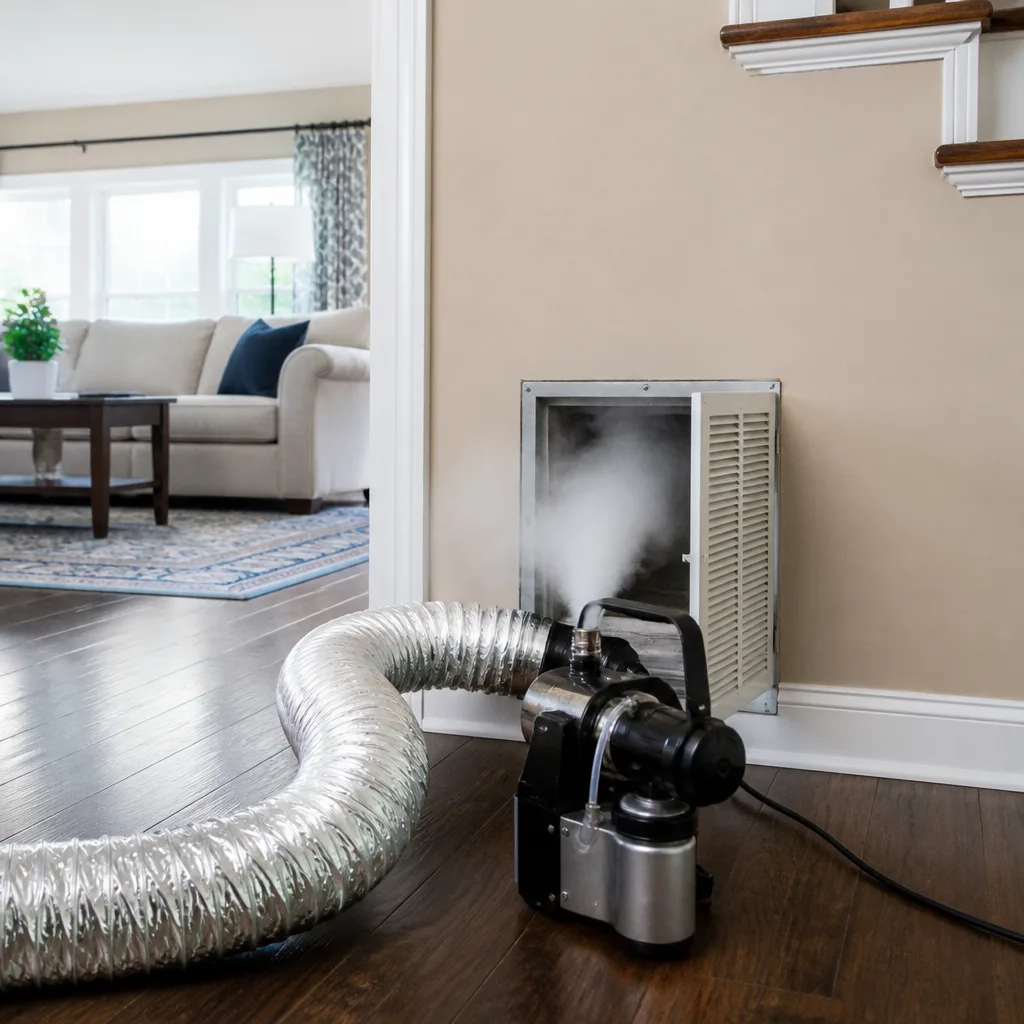 Sanitizing & deodorizing
Whole-system duct and dryer vent check with before-and-after photos - you see exactly what came out of your vents
That "$99 whole-house special" is a bait ad - the real number appears once they are in your hallway, or the "clean" is a shop-vac at the register. We photograph the inside of your ducts before and after instead.
Air Duct Cleaning Maintenance Checklist for Los Feliz Homeowners
Most homeowners think about their ducts only when something smells, rattles, or the energy bill jumps. Here’s the thing we run into constantly in Los Feliz: the biggest problems in a duct system are usually quiet. A flex duct joint can separate in an attic and dump conditioned air into unconditioned space with nothing visible at the register. By the time the symptom shows up, the bill has already moved.
This guide is a working checklist, built for the housing stock and climate we actually see here – older bungalows and Spanish-style homes south of Los Feliz Boulevard, hillside properties with attic-mounted systems, and the dry-season dust and Santa Ana wind patterns that keep local filters busy. You’ll get monthly, quarterly, and annual tasks, a clear look at what failing duct connections look like, and honest thresholds for when a finding means “note it” versus “call someone.”
Quick Answer
A practical air duct maintenance checklist for a Los Feliz home covers three rhythms: monthly filter checks and return-grille inspection, quarterly visual checks of accessible duct connections at the air handler and main trunk plus a condensate line flush, and an annual full-system review timed to the end of the dry season. Replace or clean filters every 30 to 90 days depending on pets and dust, and book professional mechanical cleaning every 3 to 5 years for most households, sooner if you’ve had renovation dust or visible debris at the registers.
Styles & brands we work with
- Whole-home duct cleaning
- Dryer vent cleaning
- Camera inspection
- Sanitizing & deodorizing
Table of Contents
- Why Los Feliz Duct Systems Age Differently
- Monthly Checklist: Filters, Grilles, and Airflow
- Quarterly Checklist: Connections, Condensate, and the Air Handler
- Annual Checklist: The Full-System Review
- What Separated Tape, Crushed Flex, and Rust Staining Actually Look Like
- Choosing a MERV Rating for a Los Feliz Home
- The Condensate Pan and Line Protocol Most People Skip
- When a Finding Means Clean, Repair, or Call a Professional
Why Los Feliz Duct Systems Age Differently
Los Feliz sits in a band of conditions that quietly stress duct systems year after year. The dry season pulls fine dust into return grilles month after month. Santa Ana wind events push a burst of particulate through open windows and door gaps in a matter of days. And a lot of the housing here predates the modern flex-duct era, which means you’ll find a mix of rigid sheet metal trunk lines, duct board sections, and retrofitted flex runs feeding the same system. That combination changes what you should be checking and how often.
The construction era matters because the materials fail differently. Older rigid trunk lines often hold up well but develop seam separation where the foil tape or mastic has dried out. Duct board sections can delaminate – the inner foil skin separates from the fiberglass core – and that peeled surface catches dust and restricts airflow. Retrofitted flex runs are the most failure-prone: crushed bends, sagging spans, and connection points at the plenum that pull apart slowly. In homes with attic-mounted air handlers, those failures are largely invisible from inside the house. A register blows air, so it seems fine, even when a section upstream is leaking into the attic.
There’s also the Griffith Park adjacency. Homes on the eastern and northern edges of Los Feliz sit close to a large mass of vegetation, and seasonal wildfire smoke and general pollen load both land on the same filter. If your system pulls return air through a central grille in a hallway, that front-door-adjacent position catches more of it. None of this means every Los Feliz home needs the same schedule – it means the schedule should respond to what’s actually happening on your block and in your system.
What we’ve learned walking systems in this neighborhood is that the checklist is less about doing more and more about checking the right things at the right intervals. Filters are the easy part. The connections, the condensate, and the seams are where the money hides. That’s where this guide focuses.
Monthly Checklist: Filters, Grilles, and Airflow
The monthly pass takes about ten minutes and prevents most of the avoidable problems. It’s also the pass most homeowners skip because the system is running fine. Do it anyway – it’s the cheapest diagnostics you’ll ever run.
- Check or replace the filter. Hold it up to a light. If you can’t see light through it, it’s beyond useful. During Santa Ana wind weeks and any period with open windows or nearby construction, check it at the two-week mark instead.
- Inspect the return grille for dust buildup. A gray mat forming on the grille face means the filter is bypassing or the return is under-sized. Both are worth noting.
- Feel the airflow at a few registers. Hold your hand at a supply register and note the strength. Compare it to last month. A weak register that was strong before is a flag, not a mystery.
- Listen at the air handler. A rattle, a whistle, or a whoosh that wasn’t there last month often points to a loose connection or a partially blocked coil. Thirty seconds of listening is worth it.
- Look at the condensate pan if it’s visible. Standing water or a slimy film means the line is starting to clog. Deal with it before the pan overflows into the cabinet.
- Note the thermostat behavior. Longer run times or a system that won’t reach setpoint can be duct-related. Write it down so you can connect the dots at the quarterly check.
We’ve seen this monthly rhythm pay off most in homes with pets and in homes that keep windows open during mild weather. Both raise the dust load fast. A quick monthly pass keeps you ahead of it without turning maintenance into a project.
Quarterly Checklist: Connections, Condensate, and the Air Handler
The quarterly pass goes one layer deeper. This is where you start actually inspecting the equipment rather than the registers. If you’re comfortable opening the air handler access panel and looking into the attic access, do it here. If not, this is a reasonable point to have a technician run the same check with you watching – it helps you learn your own system.
- Inspect the filter slot and frame. Look for gaps around the filter. If air bypasses around the filter rather than through it, dust goes straight to the coil. A filter that doesn’t seat snugly is a real problem, not a nitpick.
- Check accessible duct connections at the plenum. Look where the main trunk meets the air handler cabinet. Foil tape that’s peeling, mastic that’s cracked, or a connection that’s pulled apart are the top failures we find. See the next section for what they look like.
- Look at the visible trunk and branch runs. In an attic or crawl space, check for crushed flex runs (a bend tighter than a coffee can), sagging spans (flex should be supported, not drooping), and any section with a visible dent or kink.
- Flush the condensate line. Pour a cup of water and a small amount of vinegar (or a condensate-tablet-safe cleaner) through the access tee. Watch the pan to confirm it drains freely. This is the single most skipped maintenance item on the list.
- Inspect the evaporator coil for dust. A coil with visible matted dust needs cleaning. That’s not a homeowner task in most systems; note it and book it.
- Check the electrical disconnect and shutoff. Confirm the switch is functional and the breaker panel is labeled. Not a duct chore, but it matters when a technician arrives and needs to safely isolate the system.
If you have an older duct board section, run a hand along the inner surface at the nearest accessible point. If the foil feels loose from the fiberglass underneath, that section is delaminating and worth a professional look.
Annual Checklist: The Full-System Review
Schedule the annual review for the end of the dry season, when dust accumulation is at its peak and before the system starts working in whatever those in the neighborhood call “the cool months.” The goal is a system-level picture rather than a spot check.
- Whole-system inspection. Supply and return, plenum, main trunk, visible branch runs, and the air handler cabinet. Write down what you find so you can compare next year.
- Coil cleanliness assessment. Both the evaporator and, if accessible, the condenser coil. A dirty coil raises energy bills and stresses the compressor – it’s a real efficiency issue, not a service upsell.
- Condensate pan and line deep check. Confirm the pan is sloped correctly, the P-trap (if present) is clear, and there’s no rust or standing water at the low point.
- Dryer vent inspection. This is separate from the HVAC ductwork and deserves its own annual pass – it’s a fire-risk reduction step that many duct cleaners don’t actively promote but shouldn’t be left off a home maintenance list. If you use the dryer heavily, book dryer vent cleaning on the same visit as your annual review.
- Air quality equipment review. If your system has a whole-home filter cabinet or air purifier, check filter condition and the manufacturer’s replacement interval for your model.
- Documentation. Date the inspection, note findings, and photograph the accessible points. Next year’s review gets faster and more accurate when you have a baseline.
For a much older home that’s never had a mechanical cleaning, or one that’s been through a major remodel, the annual review is the moment to talk about a full air duct cleaning. We’ve found that renovation dust is one of the most common triggers for a cleaning that’s overdue – drywall dust, cabinet sawdust, and insulation fibers all make their way into the return.
What Separated Tape, Crushed Flex, and Rust Staining Actually Look Like
Most checklist advice stops at “check your connections.” That’s not much help if you don’t know what a failure looks like. Here’s what we actually look for when we inspect a Los Feliz system.
Separated foil tape shows up as a curled edge or a dark line where the tape has lifted away from the metal or flex collar. Often the tape is still attached at the center of the joint and open at the ends, which is easy to miss unless you run your hand along the seam. Where the tape has fully failed, you’ll see exposed gray duct board or bare sheet metal with a gap of an eighth-inch or more.
Crushed flex duct looks like a flattened or kinked section – a bend tighter than a typical coffee can, a span sagging between supports, or a section compressed against a joist or pipe. Flex duct is meant to run in smooth, supported runs. A crushed section restricts airflow and creates a low point where dust settles. In older attic installs, we often find flex runs that were trimmed or compressed to fit around later construction.
Rust staining near a duct connection or on the air handler cabinet is a sign of moisture. It often traces back to the condensate pan or line, but it can also come from poorly sealed connections drawing humid attic air into cold ductwork. Rust staining on the cabinet itself is worth a professional look every time – it points to a moisture source that won’t fix itself.
Sagging spans matter because unsupported flex duct stretches over time. The inside surface becomes a dust trap and airflow drops. It’s a small repair that prevents a bigger efficiency problem.
If you see any of these and aren’t sure whether it’s cosmetic or functional, photograph it and note the location. A quick professional inspection with professional air duct cleaning and inspection in Los Feliz can tell you whether you’re looking at a five-minute tape fix or a section replacement. Small failures compound – catching them early is the whole point of a checklist.
Choosing a MERV Rating for a Los Feliz Home
The right MERV rating depends on your household, not on a generic recommendation. Higher isn’t always better. A filter that’s too restrictive for your blower can drop airflow and stress the system. Here’s how we think about MERV selection in a Los Feliz home.
- MERV 8: A solid baseline for most homes with no special air quality concerns. Good dust capture without meaningful airflow restriction.
- MERV 11: A reasonable step up for households with mild allergies or pets, and a good fit for homes near Griffith Park vegetation where seasonal pollen counts are higher.
- MERV 13: Worth considering during wildfire season, for households with members sensitive to smoke particulate, or for homes where the return grille is near a front door or open-window traffic. Check that your blower can handle the restriction – not every residential system can.
- Beyond MERV 13: Typically a job for a dedicated filter cabinet or air purifier rather than a 1-inch slot filter. If you want to go higher, talk through equipment options rather than forcing a restrictive filter into a standard slot.
A few context points help. Homes with pets generally want to lean one MERV level higher and check filters more often. Homes with a smoker or anyone with respiratory sensitivity should also lean higher. Homes on the eastern side of Los Feliz close to the park edge may benefit from a MERV 13 during active fire season and a MERV 11 the rest of the year. Homes with a central return and a 1-inch filter slot are usually limited to MERV 11 or 13 depending on the blower – a thicker media cabinet widens the options. If you’re not sure, the honest answer is to have someone look at your specific system before you commit.
The Condensate Pan and Line Protocol Most People Skip
The condensate pan sits under the evaporator coil and catches the water the system pulls out of the air. The line drains it away. When either fails, water sits inside the air handler cabinet – and that’s where the real problems start. Standing water in a dark cabinet grows biological growth, and once that’s established it can feed back into the airstream. This is the single most skipped maintenance item on a duct checklist, and it’s the one we’d rank highest.
- Locate the pan and the drain line. If your air handler is in an attic or closet, find the access point. If it’s in a garage or hallway closet, open the panel.
- Look for standing water. The pan should be dry between cycles. Standing water, a slimy film, or a rust ring all mean the line is starting to clog or the pan is no longer draining properly.
- Flush the line. Find the access tee (many installs have one; a few don’t) and pour a cup of water through it. Confirm it drains freely into the pan and out. If it backs up, the line is clogged.
- Check for biological growth. A pink, black, or gray film in the pan or on the coil means growth is present. That’s not cleanable with a sponge and a spray bottle – it’s a professional job.
- Confirm the pan slope. Water should flow toward the drain, not pool at a corner. Standing water in one corner over time leads to rust-through and a leak into whatever is below.
If your system has a float switch that shuts the unit off when the pan fills, test it. A float switch that’s stuck up will shut down the system even when the pan is dry – a common source of “why did the AC stop” calls. And if you find biological growth inside the cabinet, don’t run the system to “dry it out.” Call a pro for an HVAC cleaning and sanitizing visit that targets the cabinet properly. For more on what’s involved, look at the air quality and sanitizing service page.
When a Finding Means Clean, Repair, or Call a Professional
The most useful part of a checklist is knowing when to act. Vague recommendations waste time. Here are the thresholds we use.
Note it and keep going: light dust film on accessible duct surfaces, a small amount of surface rust on the cabinet exterior, a slightly weak register that still has good flow, minor sagging in a supported span. These are normal aging patterns. Document them, compare next quarter, and act if they progress.
Book a professional inspection: any separated foil tape, visible crushed flex, standing water in the condensate pan, biological growth in the pan or cabinet, rust staining near a duct connection, or any register whose airflow has noticeably dropped compared to the last check. These are clear signals that something is failing, but the repair might be small. An inspection tells you the scope.
Book a full mechanical cleaning: visible debris at the return grille that isn’t just filter dust, a coil that’s matted with dust, a home that’s had major renovation or drywall work since the last cleaning, a system that hasn’t been cleaned in several years, or persistent musty odors when the system runs. For families with allergy concerns, a cleaning every 3 to 5 years is a reasonable maintenance rhythm. Book air duct cleaning in Los Feliz when any of those thresholds is crossed.
Book repair and sealing: if the inspection turns up failed connections, damaged duct sections, or leaks that are causing air loss into unconditioned space. Cleaning alone won’t fix an air-loss problem in a duct system – the duct repair and sealing service is what closes the loop. That’s the part most competitors skip, and it’s the step that makes the biggest long-term difference on efficiency.
We use Rotobrush rotary brush systems and Nikro vacuums for mechanical cleaning – equipment built for duct interiors, not a shop vac with a hose adapter. We also carry Abatement Technologies filtration equipment for jobs that need containment. On the repair side, the work is what it sounds like: resealing connections, reconnecting separated runs, and correcting the airflow restrictions that cleaning alone can’t solve. For a much deeper walkthrough of the full cleaning process, our duct cleaning guides cover it step by step.
Common Mistakes to Avoid
- Skipping the quarterly condensate flush. It’s the cheapest maintenance task on the list and the one that prevents the most expensive consequences. A clogged line overflows into the cabinet, and the biological growth that follows can affect the whole airstream.
- Buying the highest-MERV filter on the shelf. A restrictive filter on a system that wasn’t built for it drops airflow and can stress the blower. Match the filter to the system, not to the marketing.
- Watching the register instead of the connection. A register blowing air tells you nothing about a joint separated thirty feet upstream. In Los Feliz homes with attic-mounted systems, we find leaks at the plenum and trunk that were completely invisible from inside the house.
- Ignoring rust staining as “just cosmetic.” Rust means moisture, and moisture inside a duct cabinet means the problem is active. Invest twenty minutes finding the source now instead of absorbing the repair later.
- Calling a duct cleaner when you need a repair. Cleaning a system with separated connections leaves the air-loss problem intact. The right first call is an inspection – and the right fix includes sealing.
- Assuming a duct board section is fine because it looks intact from outside. Delamination happens on the inside surface first. Run a hand along the inner face at an accessible point – if the foil skin moves independently of the fiberglass, that section is failing.
- Treating dryer vent cleaning as optional. The dryer vent is part of the household air pathway and a real fire-risk reduction step. Annual cleaning is a reasonable default for most households, and more often for heavy dryers with long vent runs.
See the difference
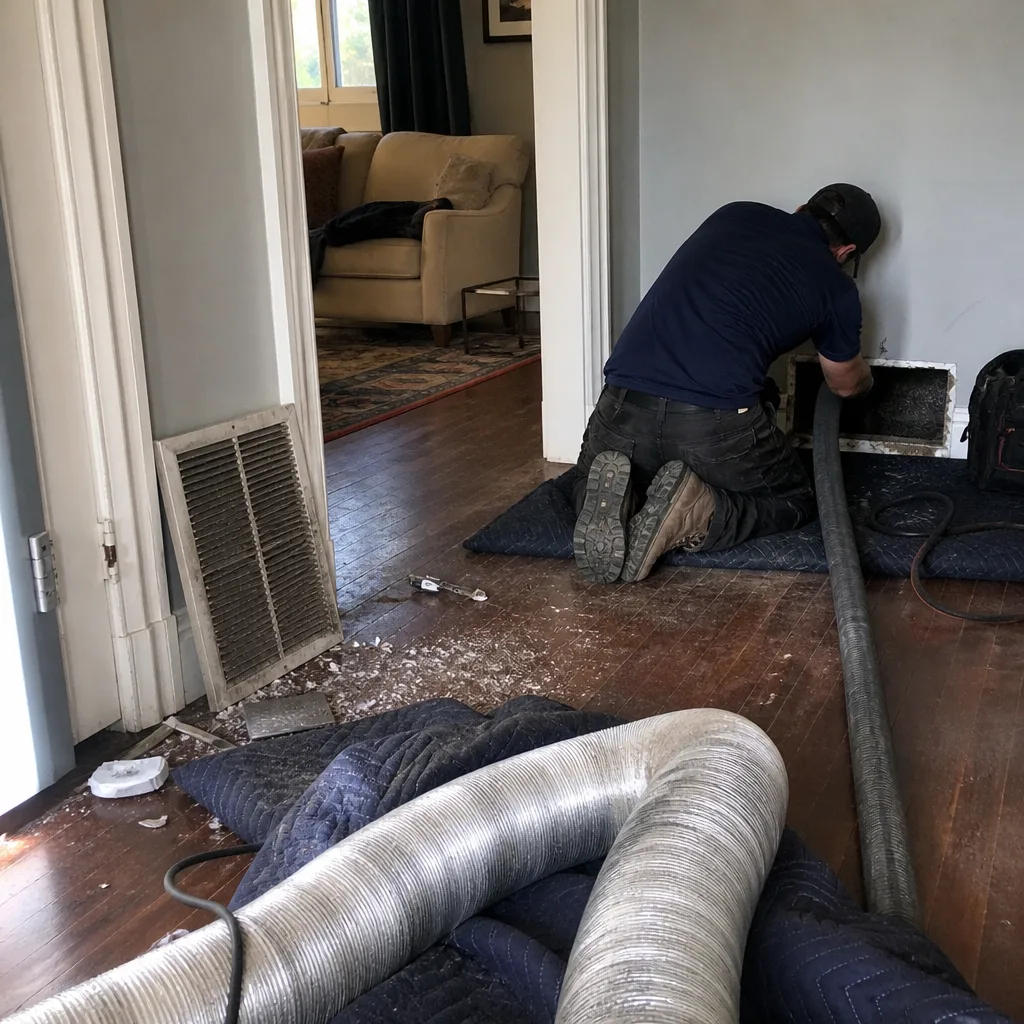 Before
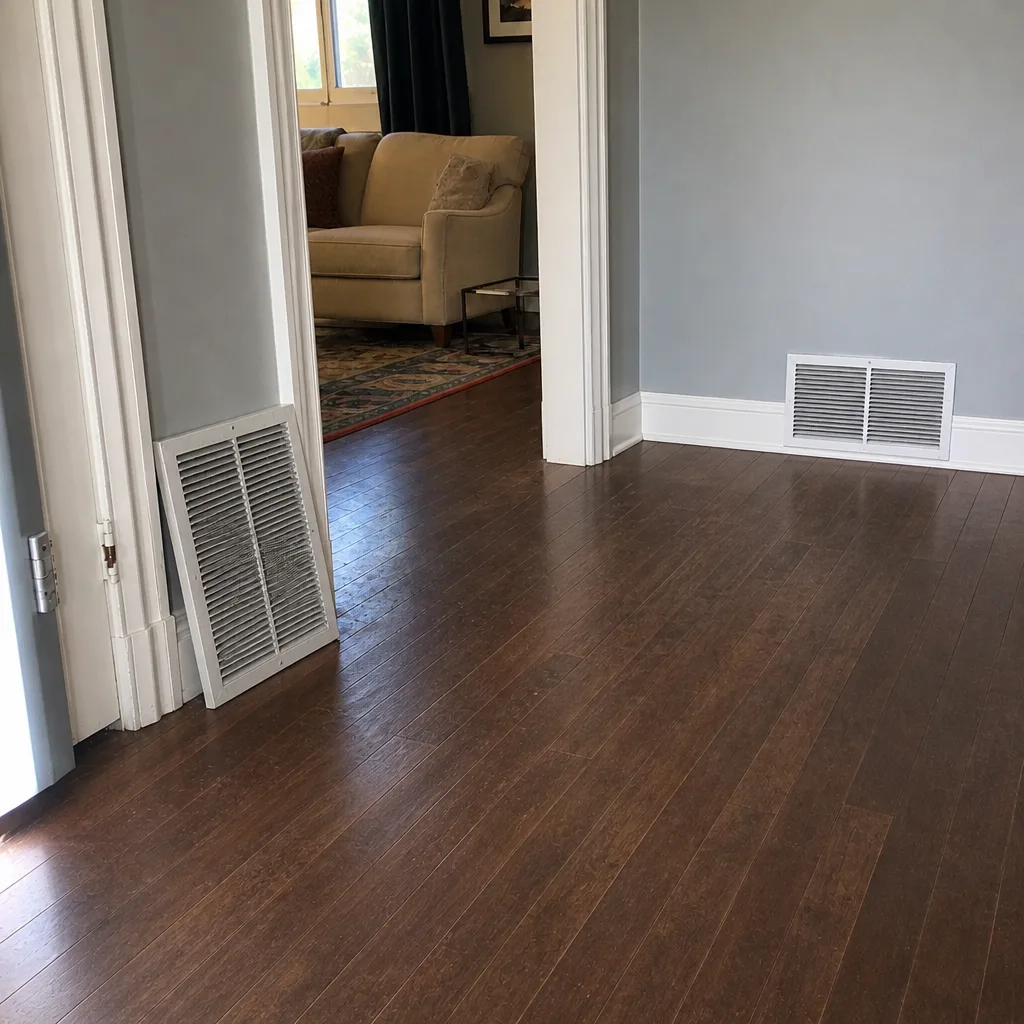 After
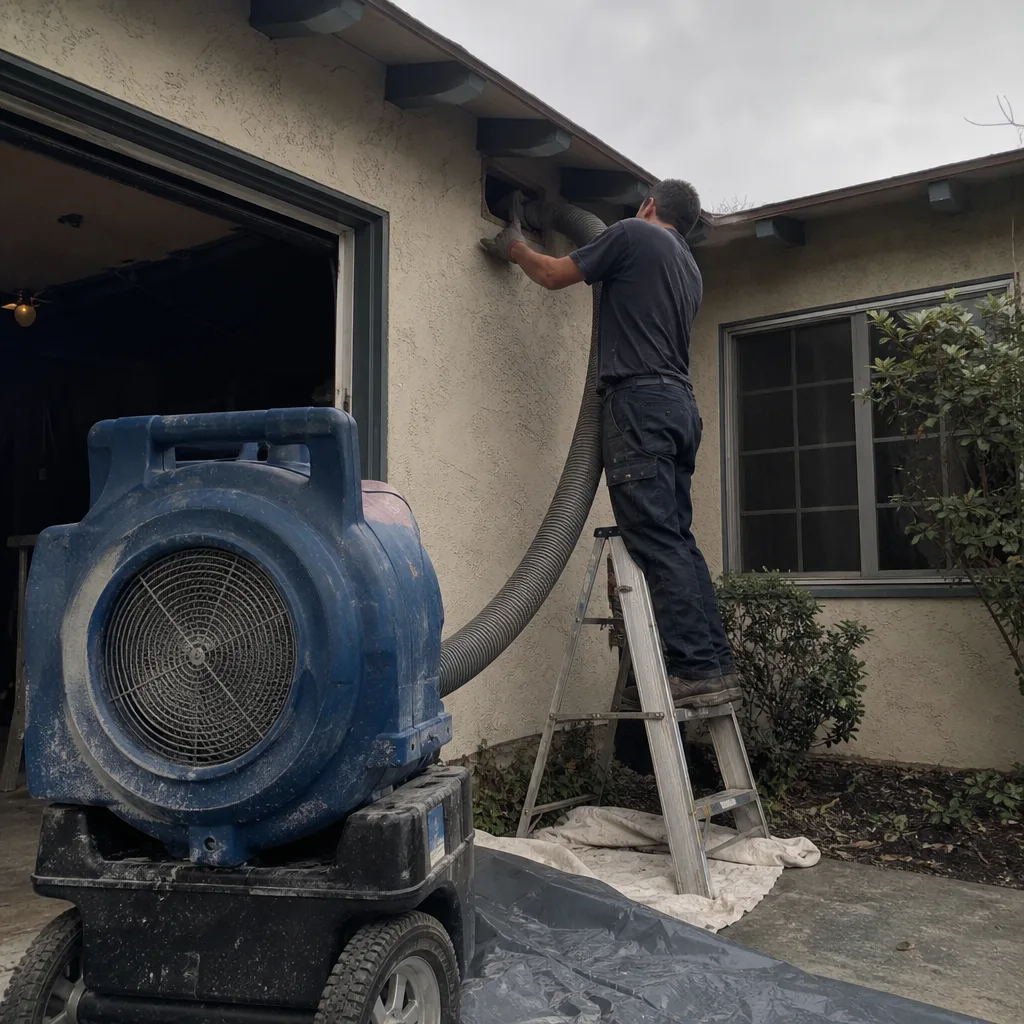 Before
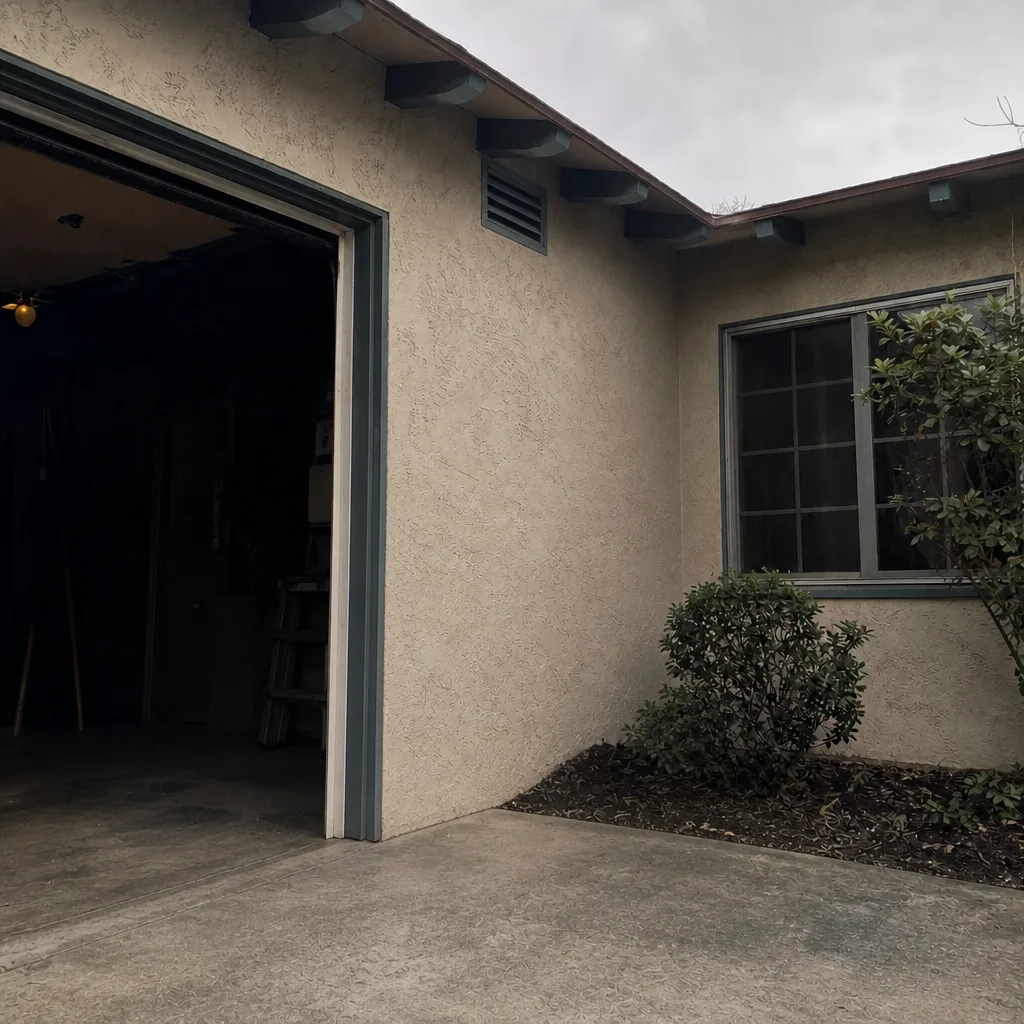 After
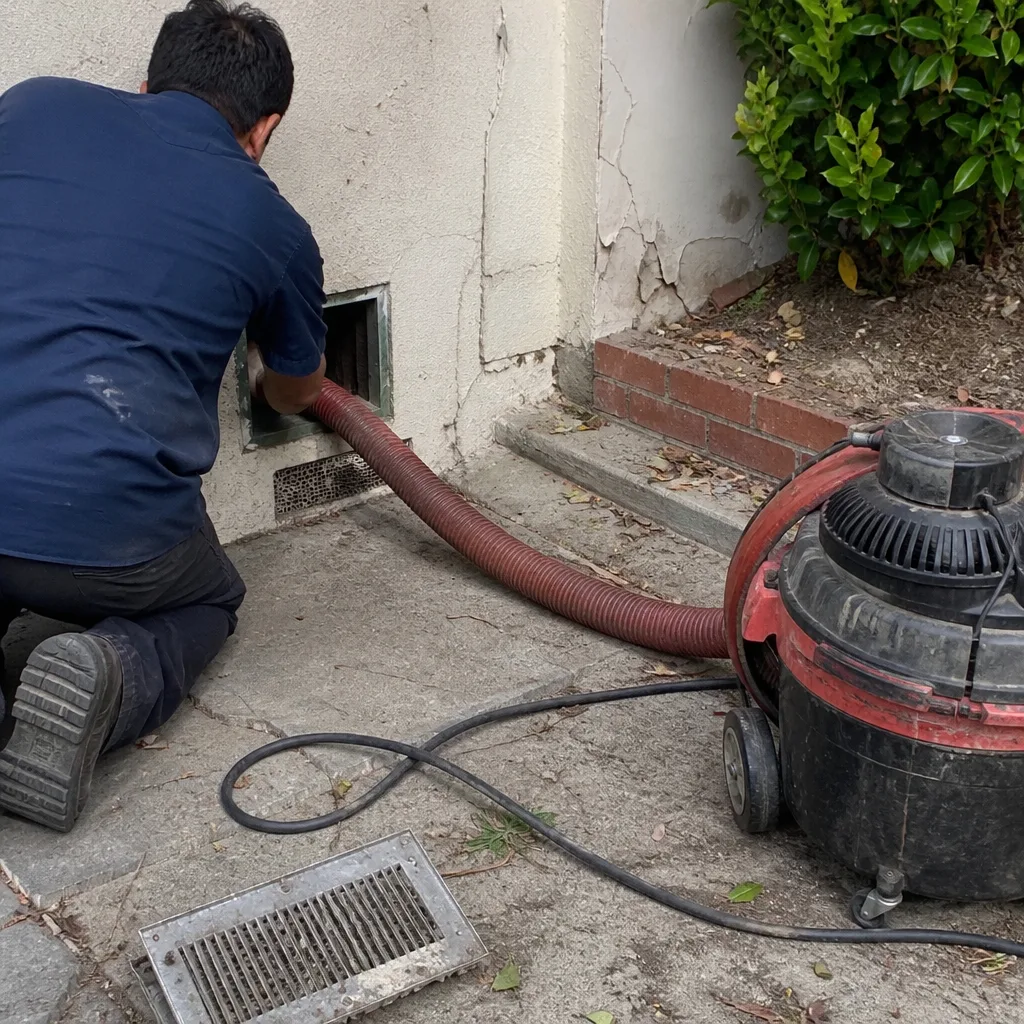 Before
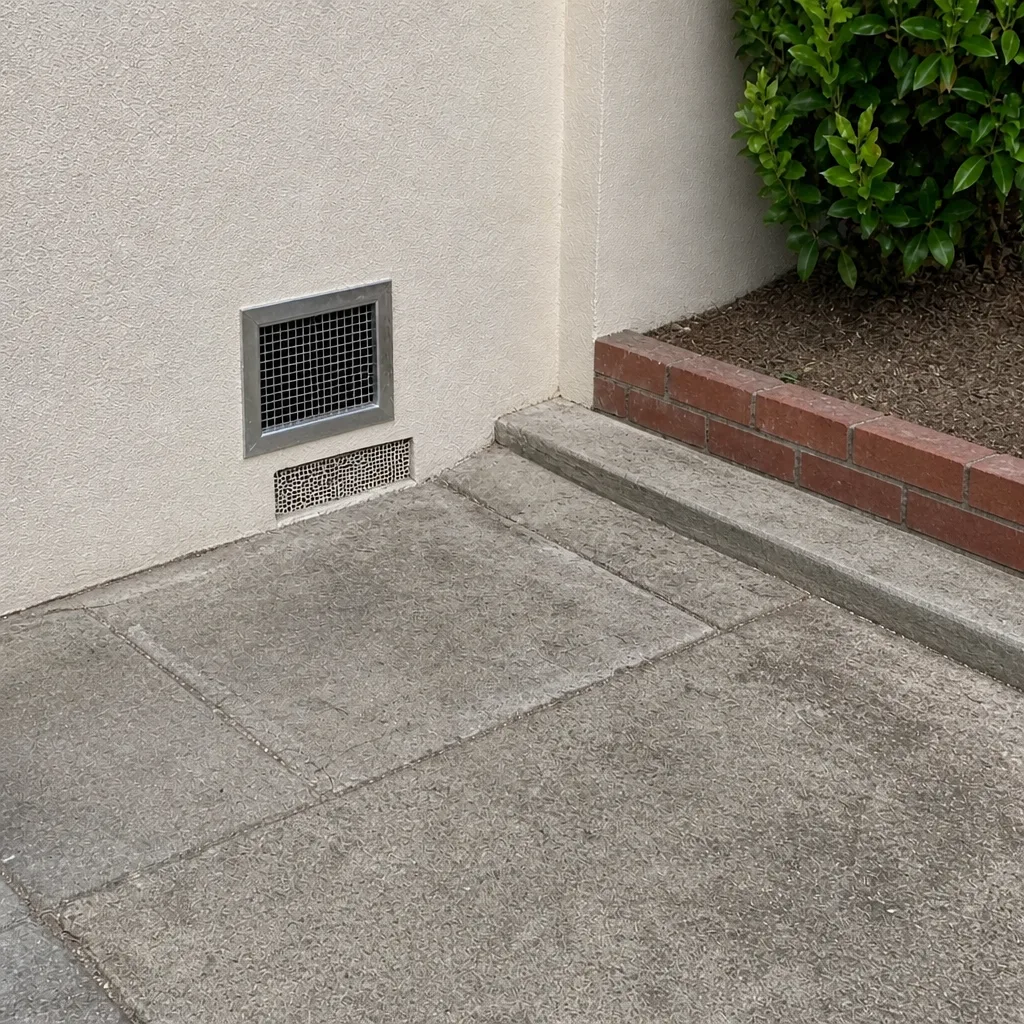 After
When to Call a Professional
Most of the checklist above is homeowner territory. The moment to call a professional is when a finding crosses one of the thresholds in the previous section: separated connections, visible crushed flex, standing water or biological growth in the pans, dropped airflow, persistent musty odor, or a system that hasn’t been cleaned in several years. Renovation dust, a first-time cleaning on an older home, or a coil that’s matted are all reasons to bring someone out for a proper look rather than a symptom check.
Air Duct Cleaning Los Feliz offers free estimates in Los Feliz. Call (866) 937-7218. We answer 24/7. Fast dispatch from 7am to 7pm, Sunday through Friday. Our technicians have up to 11 years of experience, and the local pro we connect you with is licensed and insured as their state requires. You get one flat price per system agreed before work starts, before-and-after photos of your own ducts, and a written estimate that sets the final price. It’s a scheduled job, not an emergency visit, and we’d rather you have a clear picture than a rushed one.
Frequently Asked Questions
Every 3 to 5 years is a reasonable default for most households. Go sooner if you’ve had renovation work, notice visible dust at the return, have a system that’s never been cleaned, have pets, or have a family member with allergy concerns. In Los Feliz specifically, the dry season and Santa Ana wind events put more fine dust into the system than the coastal climate does – filters and returns take more of a beating. Call (866) 937-7218 for an exact quote – estimates are free.
Most whole-system cleanings land in a range that depends on the size and layout of the home, the number of accessible trunk and branch runs, the condition of the coil, and whether the job includes sanitizing or repair. We don’t quote per-vent prices or a coupon figure – the honest number is a whole-system number, agreed before work starts. Call (866) 937-7218 for an exact quote – estimates are free.
Usually because they cover less. A low quote often means more of a surface vacuum than a mechanical cleaning, or no access to the coil, no duct sealing evaluation, and no before-and-after photos. When you compare quotes, compare the scope: what’s being cleaned, what equipment is used, whether the connections are inspected, and whether the price is a flat price per system or per component. Our price locks before work starts, so there’s no “surprise” invoice once the technician is on-site. Call (866) 937-7218 for an exact quote – estimates are free.
Ask for before-and-after photos of your own ducts – that’s the only proof that’s actually specific to your home. Any reputable cleaner should be able to show you what they found and what they cleaned. Our process includes before-and-after photos, and we’re happy to walk you through what we find at each accessible point. Call (866) 937-7218 for an exact quote – estimates are free.
Most Los Feliz homes do fine on a 3 to 5 year cycle. The exceptions are households with pets, recent renovation, a family member with respiratory sensitivity, or a system that pulls a lot of vegetation dust from the Griffith Park area. For those, 2 to 3 years is more realistic. Your filter’s been telling you something – if you’re changing it more often than usual, that’s a signal about the system, not just the filter. Call (866) 937-7218 for an exact quote – estimates are free.
No, and we’d caution against trying. A shop vac can remove dust at the register, but it can’t reach the inner duct walls, the coil, or the plenum connections where the real accumulation is. It can also push dust deeper into the system or damage flex duct. Mechanical cleaning uses rotary brush systems and high-powered vacuums built specifically for duct interiors. If your system needs cleaning, that’s the right tool for the job.
Cleaning removes accumulated dust and debris. Duct repair and sealing addresses the structural problems in the system – separated connections, crushed flex runs, and leaks that dump conditioned air into unconditioned space. Cleaning a system with air-loss problems leaves the efficiency issue intact. That’s why we treat the two as separate services and typically recommend sealing when an inspection turns up a real leak. Call (866) 937-7218 for an exact quote – estimates are free.
The Bottom Line
Air duct maintenance in a Los Feliz home is a rhythm, not a single task. Monthly filter and grille checks take minutes and catch the easy stuff. Quarterly condensate and connection checks catch the problems that get expensive. The annual review gives you a baseline to compare against next year. Look for the specific failure signs – separated foil tape, crushed flex, rust staining, standing water – and use the thresholds in this guide to decide when a finding means “note it” versus “call someone.” The right equipment matters too: Rotobrush rotary brushes and Nikro vacuums for the cleaning, and a repair and sealing step to close the loop afterward. Honeywell and Aprilaire filtration solutions make the long-term difference for families with air quality concerns.
If the checklist turns up something you’re not sure about, we’re easy to reach. Call (866) 937-7218. We answer 24/7. Fast dispatch from 7am to 7pm, Sunday through Friday. Estimates are free.
Contact
Have a checklist finding you’d like someone to look at in person? Call Air Duct Cleaning Los Feliz at (866) 937-7218 for a free estimate. We’ll walk through what you found, take a look at the accessible points, and give you a straightforward written estimate that sets the final price. No per-vent pricing, no teaser figures – a whole-system price agreed before work starts, with before-and-after photos of your own ducts when the job is done. We answer 24/7. Fast dispatch from 7am to 7pm, Sunday through Friday.
Written by the team at Air Duct Cleaning Los Feliz.