
Last updated November 22, 2026
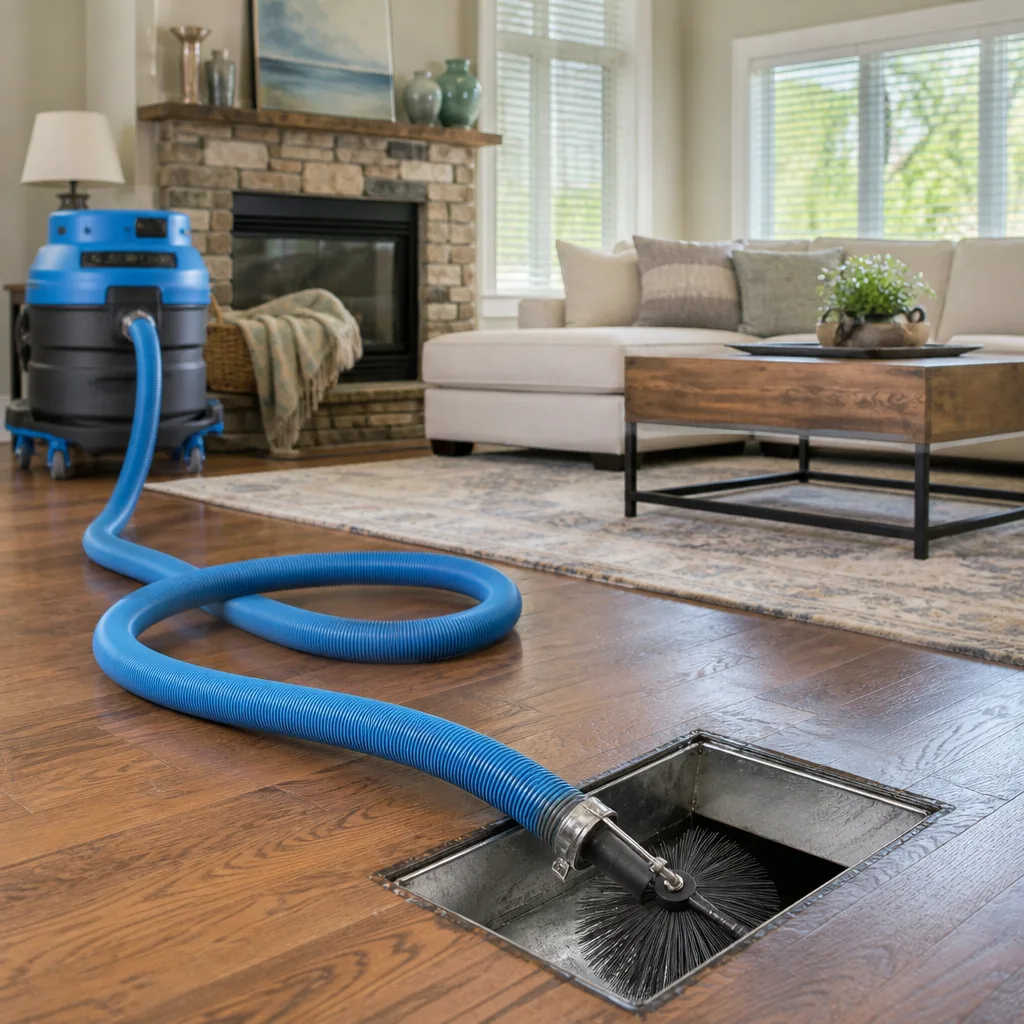 Whole-home duct cleaning
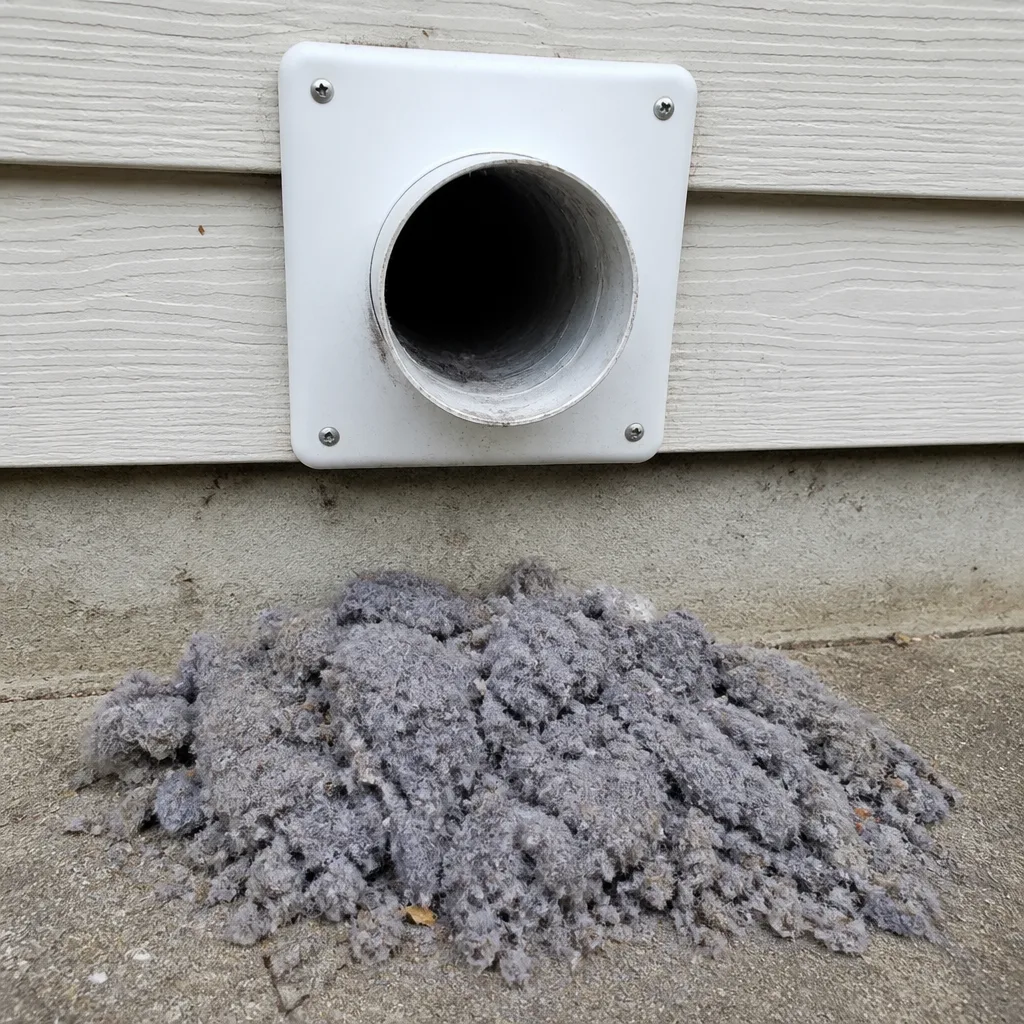 Dryer vent cleaning
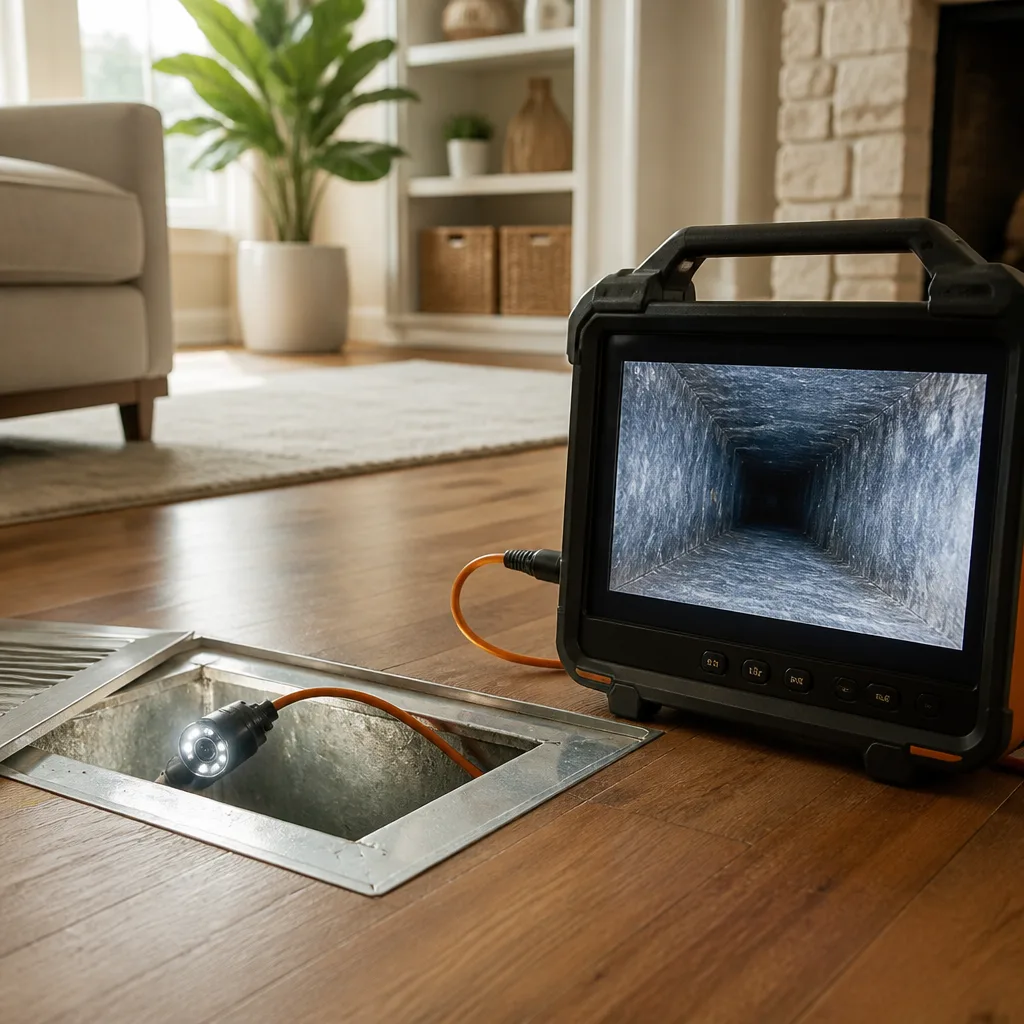 Camera inspection
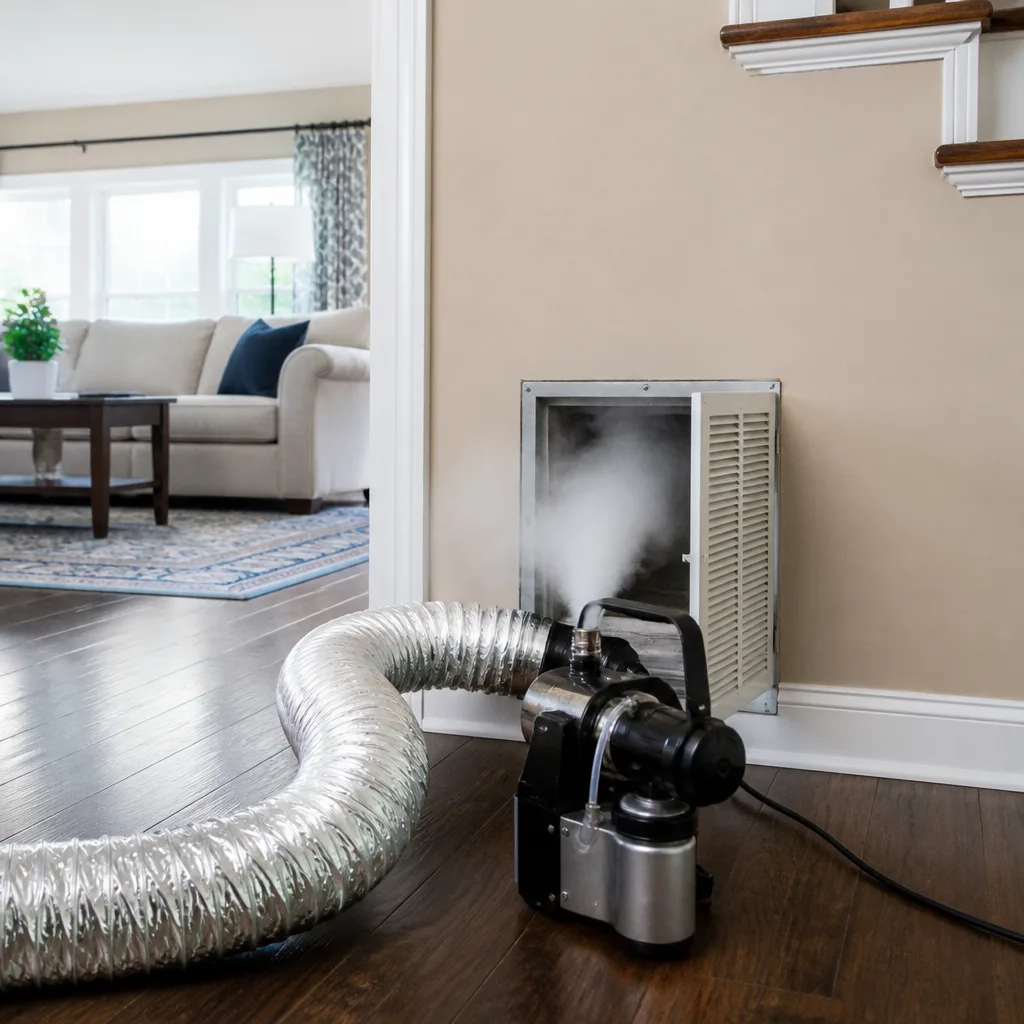 Sanitizing & deodorizing
Whole-system duct and dryer vent check with before-and-after photos - you see exactly what came out of your vents
That "$99 whole-house special" is a bait ad - the real number appears once they are in your hallway, or the "clean" is a shop-vac at the register. We photograph the inside of your ducts before and after instead.
Air Duct Cleaning Warning Signs: A Los Feliz Homeowner’s Reference Guide
Most warning-sign articles give you the same five symptoms and stop there. Dust from the vents. A musty smell. Rooms that never get warm. That leaves a homeowner in Los Feliz guessing whether to call a duct company or an HVAC technician, and whether the problem is a five-dollar fix or a collapsed line buried in the attic. This guide treats each signal as a diagnostic entry point. We walk through what each sign actually indicates mechanically, which component is the likely source, and how to run a few simple observations yourself before anyone steps foot in the house. By the end you’ll know what you’re looking at, what it probably means, and whether it’s worth a professional look.
Quick Answer
The main warning signs of a duct problem in Los Feliz are visible dust puffing from registers at startup, inconsistent room temperatures, musty or burning odors when the system runs, dust accumulating faster than usual, and allergy symptoms that spike within minutes of the air handler kicking on. Most of these point to a specific failure mode – a disconnected or collapsed flex section, a leaking trunk, or a dirty evaporator coil – rather than to “dirty ducts” in the general sense. Fixing the right part is what clears the symptom.
Styles & brands we work with
- Whole-home duct cleaning
- Dryer vent cleaning
- Camera inspection
- Sanitizing & deodorizing
Table of Contents
- Why Dust Puffing from Registers Isn’t Just “Dirty Ducts”
- Sorting Out Odors: Musty, Burning, and Chemical Smells Mean Different Things
- Uneven Room Temperatures Mapped to Specific Duct Failures
- How to Self-Test for Duct Leakage at Home
- Symptom Timing: What Your Body Tells You About the Air Pathway
- Mold at One Register vs. Many: Local Problems vs. Systemic Ones
- Telling a Duct Problem Apart from an HVAC Equipment Problem
- When Cleaning Actually Helps (and When It Doesn’t)
Why Dust Puffing from Registers Isn’t Just “Dirty Ducts”
When a register puffs a visible cloud of dust the moment the system starts, the instinct is to blame accumulated dirt inside the ducts. In our experience that’s often the wrong diagnosis, or only part of it. Under normal conditions, the air handler pulls return air, filters it, conditions it, and pushes it out through supply ducts that stay cleaner than people picture. A sudden puff of dust usually means the supply side isn’t sealed anymore.
The most common culprit in Los Feliz homes is a collapsed or disconnected flex duct section in the attic. Flexible ductwork runs from the air handler to each register, and over time it can sag, tear at a joint, or pull free from a collar. When that happens, the system starts drawing unconditioned attic air through the breach every time it cycles on. That attic air is dusty, fibrous, and full of whatever insulation particles are floating around up there. It gets pushed into the living space along with the conditioned air.
This is a more urgent problem than a dirty duct run. A duct that’s just dirty keeps circulating the same air. A duct that’s drawing from the attic is actively introducing a new contamination source into the house every cycle. Here’s the diagnostic pattern to watch for:
- Dust appears only at startup – the burst comes when the blower kicks on, then settles. This often points to a breach on the supply side that pressurizes and depressurizes with each cycle.
- Dust concentrates at one or two registers – a localized breach near those runs.
- Dust from every register at once – either the return filter is bypassed or the main trunk is compromised.
- Dust alongside a temperature drop in one room – strongly suggests a disconnected flex line feeding that room’s register.
You’ll notice this guide talks a lot about the attic. Los Feliz homes are frequently built into hillsides with low-slope or flat roofs, and the duct systems often run through deep attic cavities that get very hot in the dry season. Heat and age take a toll on flex duct, insulation, and mastic at the seams. When we perform air duct cleaning in Los Feliz, a good part of the job is visually inspecting those runs to confirm nothing has pulled free before we clean anything. Cleaning a duct that’s also disconnected just moves the problem.
Sorting Out Odors: Musty, Burning, and Chemical Smells Mean Different Things
Every odor that comes from your vents points to a different component, and the intervention is different for each one. The mistake is treating all smell as “dirty ducts.” Here’s how the three main categories break down.
Musty smell
A musty, damp-earth smell from the vents usually means active or recent biological growth somewhere in the air pathway. The two most likely locations are the evaporator coil (the wet part of the system that condenses moisture out of the air) and the interior liner of the duct itself, especially if it’s insulated flex or the older fiberglass duct board. Coils stay wet during the cooling season and any dirt on the coil becomes a food source. If the musty smell appears only when the AC is running and vanishes when the heat is on, that points strongly at the coil.
Burning smell
A burning, hot-dust, or scorched smell when the heat first comes on is common and often harmless for the first cycle of the season as accumulated dust on the heat exchanger burns off. What’s not harmless is a burning smell that persists or gets stronger. That can indicate debris sitting near the heat exchanger or in the plenum, or an overheated component. Shut the system off and have it inspected. Do not run a system with a persistent burning smell. This is the one warning sign on the list that should override everything else.
Chemical smell
A chemical or “new plastic” smell often follows a recent repair or replacement. Fresh duct board, mastic sealant, and adhesive all off-gas for a while, and if a register is near a freshly opened attic section, those fumes reach the living space faster. The smell usually fades on its own. If it doesn’t, or if it appeared without any recent work, it’s worth a look because it can also signal a failing component. In Los Feliz, where older homes sometimes get partial duct replacements during a renovation, this pattern is fairly common in the first weeks after work wraps up.
Uneven Room Temperatures Mapped to Specific Duct Failures
A room that never gets comfortable is one of the most useful diagnostic clues you have, because the shape of the problem points to the source. Below is a mapping of the three main patterns and what each one usually means.
| Pattern | Likely cause | Intervention |
|---|---|---|
| One room is consistently cold or warm; everything else is fine | Partially collapsed or disconnected flex duct feeding that room | Repair or replace the affected run |
| An entire zone (several adjacent rooms) is off | Leaking or restricted main trunk feeding that section | Seal the trunk seams; check for crushed sections |
| System-wide imbalance; nothing feels right | Undersized return, or blocked/buried return trunk | Evaluate return path and static pressure |
Single-room issue
When one room lags, the supply run to that register is the first thing to check. A flex line that’s been stepped on, pinched, or pulled free delivers less air. Sometimes the room’s register is fine and the duct feeding it has a crushed elbow in the attic. Either way, the fix is on that specific run.
Zone-wide issue
If several rooms that share a trunk line are all off, the trunk itself may be leaking at its seams or have a section that’s gotten wet, sagged, or crushed. In older Los Feliz houses, main trunks in attics are sometimes the original metal with poorly sealed joints, and a decade of attic heat can loosen them further.
Whole-system pressure problem
When the whole house feels off, suspect the return side. If the returns are undersized or partially blocked, the system can’t pull enough air in to blow enough air out, and static pressure builds up. That’s a HVAC cleaning and inspection problem before it’s a duct cleaning problem, because the fix is often restoring the return path and confirming the blower is actually moving the air it’s rated for.
How to Self-Test for Duct Leakage at Home
You can get a useful first-look at your duct system in ten minutes with an incense stick or a strip of tissue paper. You’re not measuring leakage in absolute terms. You’re watching for movement patterns that tell you whether the leak is on the supply side or the return side. Here’s the process:
- Turn the system on and let it run a minute so airflow stabilizes.
- Hold the incense stick or tissue near the edges of a supply register, close to where the grille meets the drywall or the boot. Do this at two or three registers.
- Watch the smoke or the tissue. On the supply side, air is being pushed out. If the smoke gets pulled toward a gap, the gap is on the return side or the boot isn’t sealed and is drawing air from behind the wall.
- Repeat at your return grilles. On the return side, air should be pulled in. If you see air being pushed out of the return edges, the return path is strained or the return boot isn’t sealed.
- Note which registers pull the smoke inward and which push it away. A consistent pattern tells you which side of the system has the leak.
What the patterns mean:
- Smoke pulled toward the gap at a supply register edge – a leak at that boot or in the wall cavity behind it. Unconditioned air is being drawn into the ductwork.
- Smoke pushed away at a return register edge – the return side is pressurizing, which points to a strained return or a return boot that isn’t sealed.
- Smoke almost still at the edges – the seal around that register is reasonably tight.
The boot (the metal box connecting the wall or floor opening to the duct) is a frequent culprit in Los Feliz homes. It’s often sealed with mastic or tape that has dried and cracked with age. Where registers are in lath-and-plaster walls, the original seals were sometimes minimal. If your self-test points to leaks around boots, that’s the kind of thing a proper sealing visit addresses, and we can talk through what we find.
Symptom Timing: What Your Body Tells You About the Air Pathway
Timing is the most underused diagnostic tool in this whole list. If a homeowner tells us their symptoms worsen within 15 minutes of the air handler kicking on, that’s a strong signal that the air pathway is the source. If symptoms are steady throughout the day regardless of whether the system is running, the source is more likely something else in the house – the pet, the carpet, the pollen coming in through open windows, or a specific room.
You can test this yourself. Note when you feel worse over a day or two. If you notice a pattern that lines up with the system turning on, the air handler is moving something into the room that you’re reacting to. It could be dust from a leaking supply duct, biological growth on the coil, or simply accumulated debris inside the air pathway. If your symptoms don’t correlate with the system, duct cleaning is less likely to help, and we’d tell you so.
The other pattern worth noting is room distribution. Symptoms that flare in one specific room, especially an upstairs or far-end room served by a long duct run, often point to a compromised run feeding that room. Symptoms felt across the whole house point toward the coil, main trunk, or return side. Los Feliz homeowners with pollen-sensitive family members often can’t separate the two because pollen season overlaps with heavy AC use. The system-timing test is the cleanest way to figure out whether the vents are part of the problem.
Mold at One Register vs. Many: Local Problems vs. Systemic Ones
Visible mold at a register is a warning sign on its own, but the distribution matters. Where the mold appears tells you where the source probably is, and that determines what gets fixed.
Mold at a single register
A single affected register usually points to a local moisture problem. The most common cause is the register boot sitting in a wall or ceiling cavity that gets damp, either from a plumbing leak, a roof leak, or condensation on a cold surface. The mold isn’t necessarily inside the ductwork at all. It’s on the boot, the drywall around the register, or the visible edge of the duct where it meets the opening. The right response is to find the moisture source, dry the area, and treat the visible growth at that location. The duct cleaning is secondary.
Mold at multiple registers
When you see mold at several registers, especially at registers served by different ducts across the house, the source is usually systemic. That’s almost always the evaporator coil or the main trunk. A dirty coil stays wet and supports growth that gets blown through the supply ducts and shows up at multiple register faces. A main trunk with a moisture problem (often a sagging section where condensation collects) can do the same thing. Systemic mold means the whole air pathway is suspect and needs to be addressed as a unit – cleaning, drying, and treating – not spot-cleaned at each register.
Important limit here: we don’t do mold remediation, and we’re not the right call for identifying or treating a large mold problem. We do use Abatement Technologies air filtration equipment on jobs where contamination control is needed during cleaning, so that debris isn’t stirred into the living space while we work. If a trained inspection turns up significant growth, the remediation is a separate job and should be handled by a remediation specialist before the ducts get cleaned. What we handle is the cleaning, sealing, and air pathway work that comes afterward, plus installing Honeywell and Aprilaire filtration and air quality products so the system stays drier and cleaner going forward.
Telling a Duct Problem Apart from an HVAC Equipment Problem
This is the distinction that most warning-sign lists skip. A symptom can come from the ductwork, the equipment, or both, and the fix is different in each case. Here’s a straightforward comparison to help you sort it out.
| Signal | Points to ducts | Points to equipment |
|---|---|---|
| Dust puff at startup | Disconnected or leaking supply run | Bypassed/bad filter at the air handler |
| Uneven temperatures | Collapsed run, leaking trunk, undersized return | Weak blower, low refrigerant, failing compressor |
| Musty smell | Damp duct liner | Dirty evaporator coil |
| Burning smell | Debris near the plenum | Heat exchanger issue (stop using the system) |
| System short-cycles | Restricted return or supply | Oversized unit, failing control board, refrigerant issue |
If the filter at the air handler is correctly seated and clean, but dust still appears, the source is more likely the ducts. If every room is off and the unit runs constantly without reaching the setpoint, that’s often an equipment problem first. When we do a dryer vent cleaning visit or a duct cleaning, we’ll flag what looks like an equipment problem even though we don’t do HVAC installation or repair. We’re not the company to fix the compressor, and we won’t pretend otherwise. What we do is clean, seal, repair, and treat the air pathway, and install filtration products. If a duct problem is masking an equipment problem, sorting out the ducts first usually makes the equipment diagnosis clearer.
When Cleaning Actually Helps (and When It Doesn’t)
Not every warning sign on this list gets better with cleaning. This is the honest part of the guide, and it’s the part we’d want a homeowner to hear before they spend money.
Cleaning helps when the air pathway itself has accumulated debris, when biological growth or a musty smell is coming from the coil or the duct liner, or when a recent renovation pushed construction dust into the system. It also helps when the ducts have never been cleaned and there’s visible accumulation at the register faces and inside the runs. We use Rotobrush rotary contact cleaning systems to dislodge debris from the duct walls and Nikro vacuums to pull it out, which is the right equipment for that job.
Cleaning does not solve a duct that’s disconnected, crushed, or leaking. That’s a repair and sealing issue, and it comes first. It also doesn’t solve an equipment problem – a compressor or control board that’s failing won’t get better because the ducts are clean. And cleaning alone won’t hold off future contamination if the return side is letting attic air in or the filter setup is bypassed. A proper job matches the intervention to the cause, which is why we treat the air pathway as a whole system: supply and return, seams, boots, coil area, and filtration. Air Duct Cleaning Los Feliz runs the full scope – cleaning, sealing, sanitizing, filtration installation – so the fix sticks instead of getting reordered six months later.
One last point: the right filter matters, and the wrong one can hurt. A very high-rated filter can strain an older air handler. Honeywell and Aprilaire filtration products are matched to the equipment, which removes the guesswork. If your duct cleaning is being done because of chronic dust or allergies, adding proper filtration is often what makes the difference between a system that stays clean and one that needs re-cleaning.
Common Mistakes to Avoid
- Treating every smell as the same problem. Musty, burning, and chemical smells each point to different components. Buying a duct cleaning for a burning smell wastes money and can delay a heat exchanger inspection that should happen first.
- Cleaning ducts that also need repair. A duct cleaning on a system with a disconnected flex line just reintroduces the attic dust. Repair and seal first, then clean, so the fix holds.
- Reaching for the highest-MERV filter you can find. An older air handler in a Los Feliz home may not be rated for a heavy filter. Too much restriction chokes airflow and can shorten equipment life. Match the filter to the system.
- Assuming one room’s problem is a “whole house” problem. A single cold room usually means one duct run, not the whole system. Get a specific diagnosis before agreeing to a full-system job.
- Skipping the return side. Many homeowners and some contractors only look at the supply registers. The return path is where pressure problems often start, and undersized returns are common in older homes.
- Ignoring the boot seal. Registers that look fine can be leaking at the boot edge. The self-test with incense or tissue is quick and tells you whether to look closer.
- Hiring on price alone. The duct cleaning industry has a reputation problem for a reason. A very low quote that becomes a large invoice once the technician is on site is a known pattern. Ask for a written estimate before any work starts, and ask for before-and-after photos of your own ducts.
See the difference
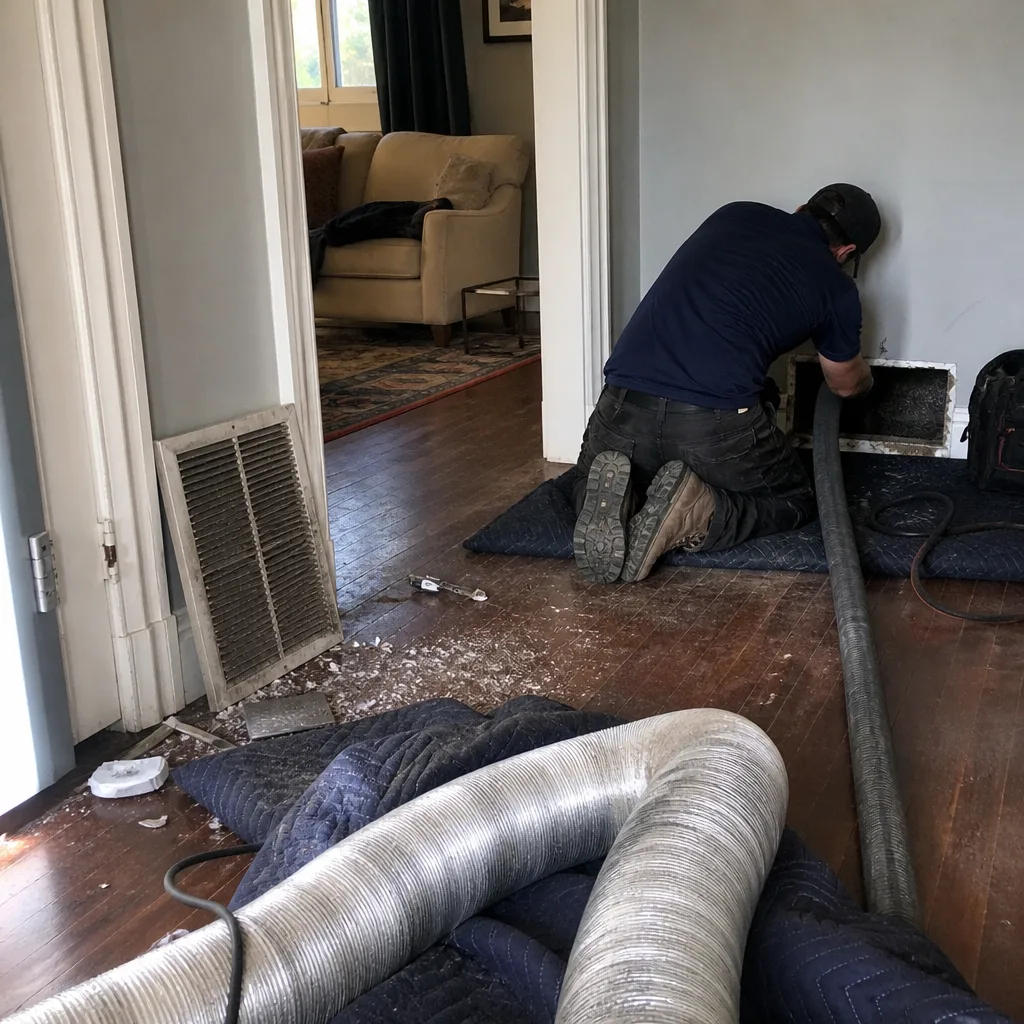 Before
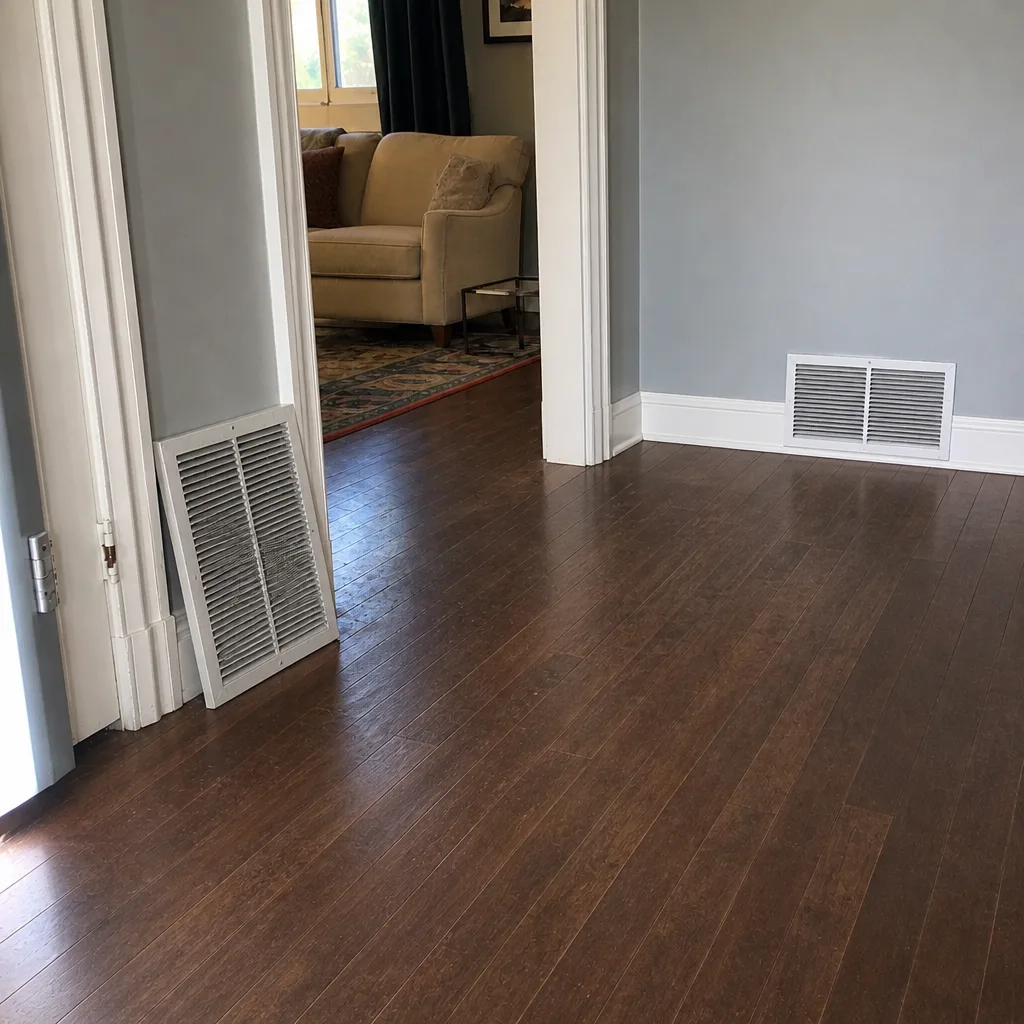 After
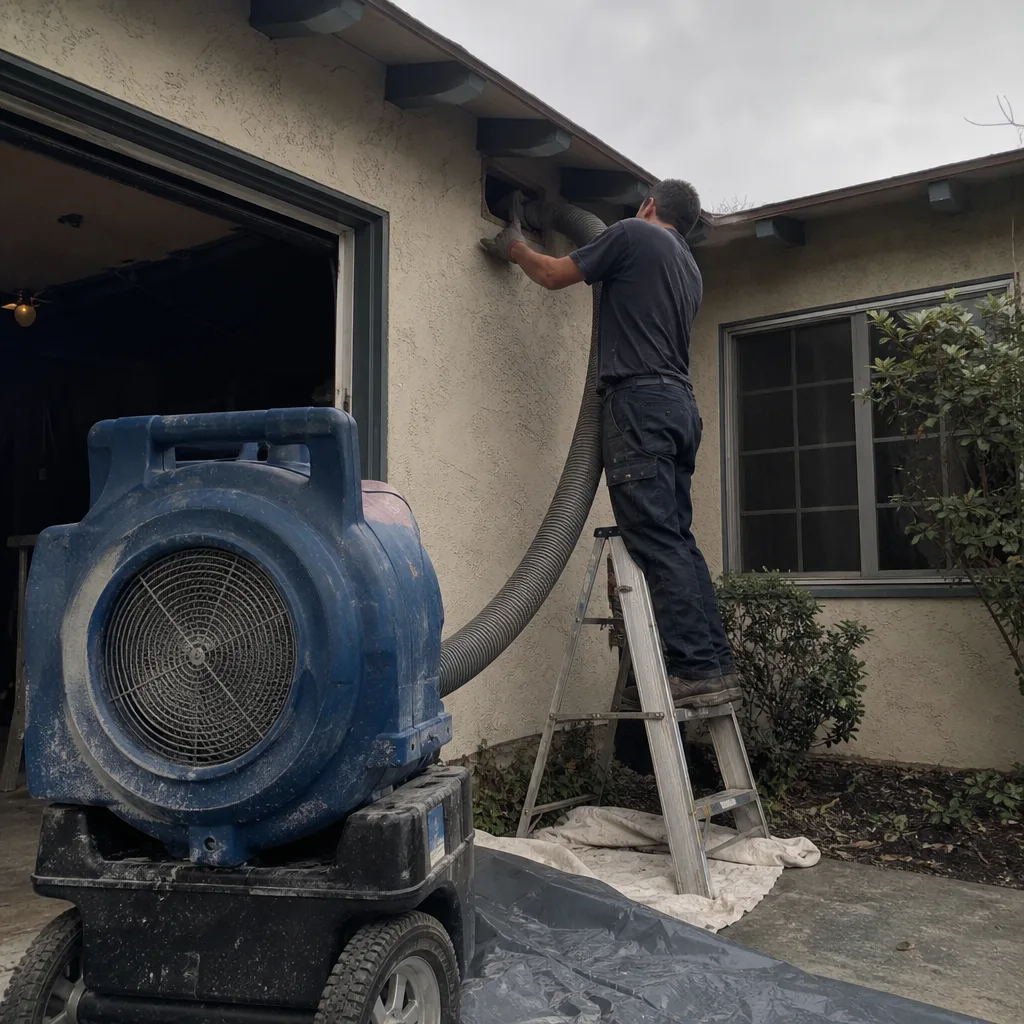 Before
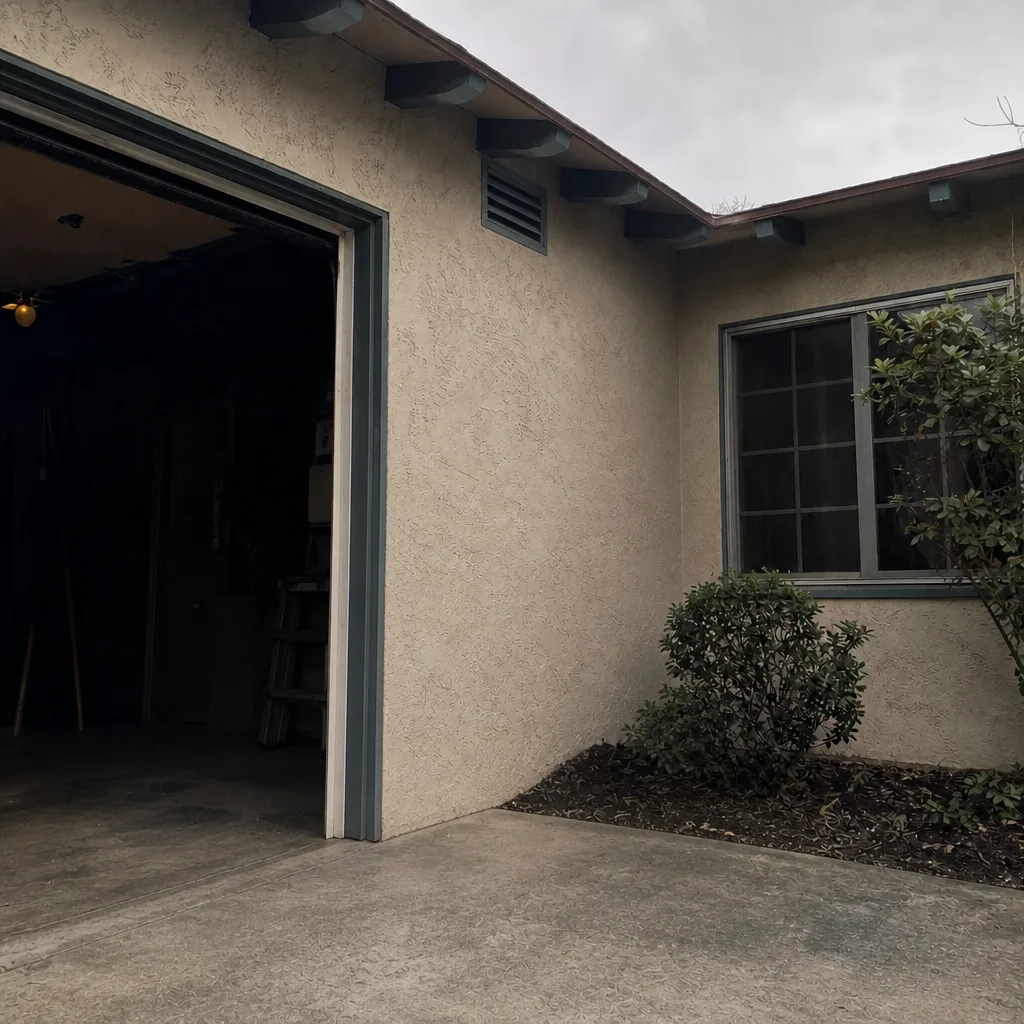 After
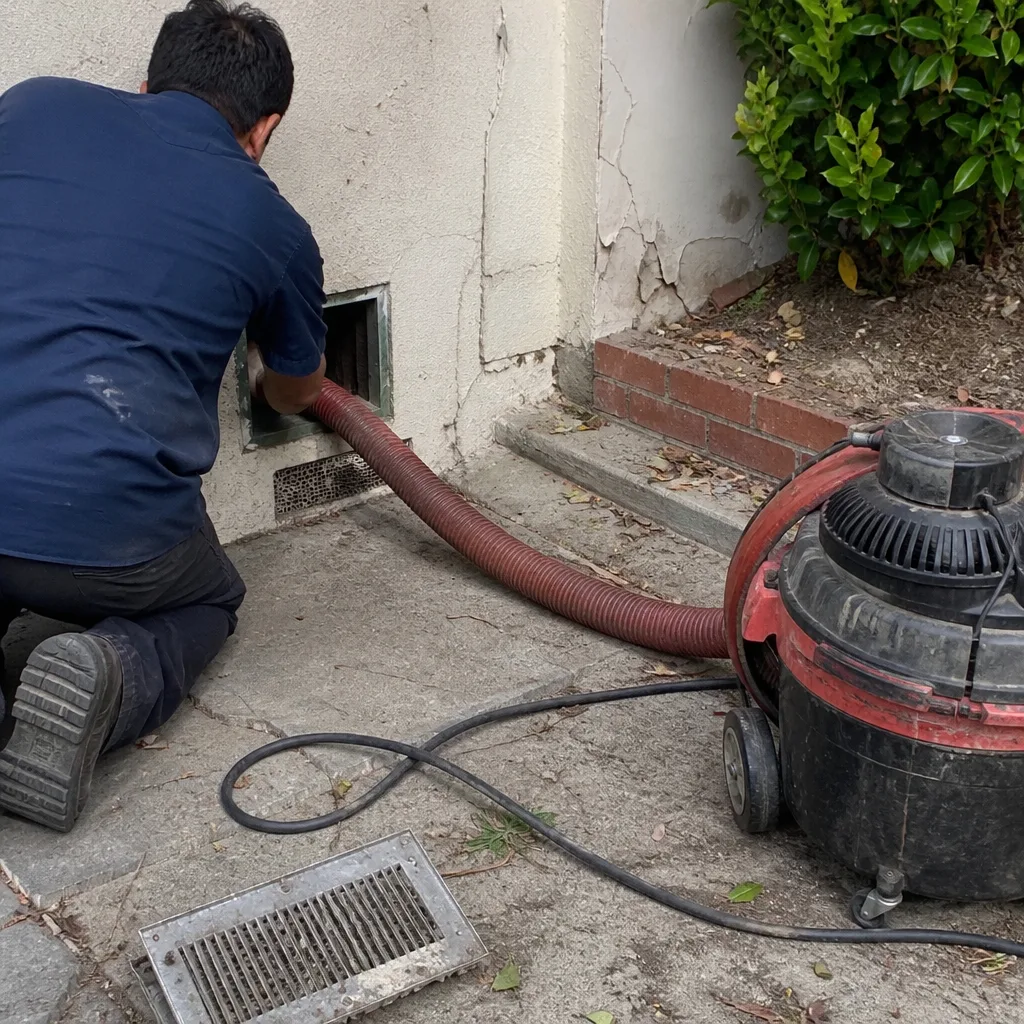 Before
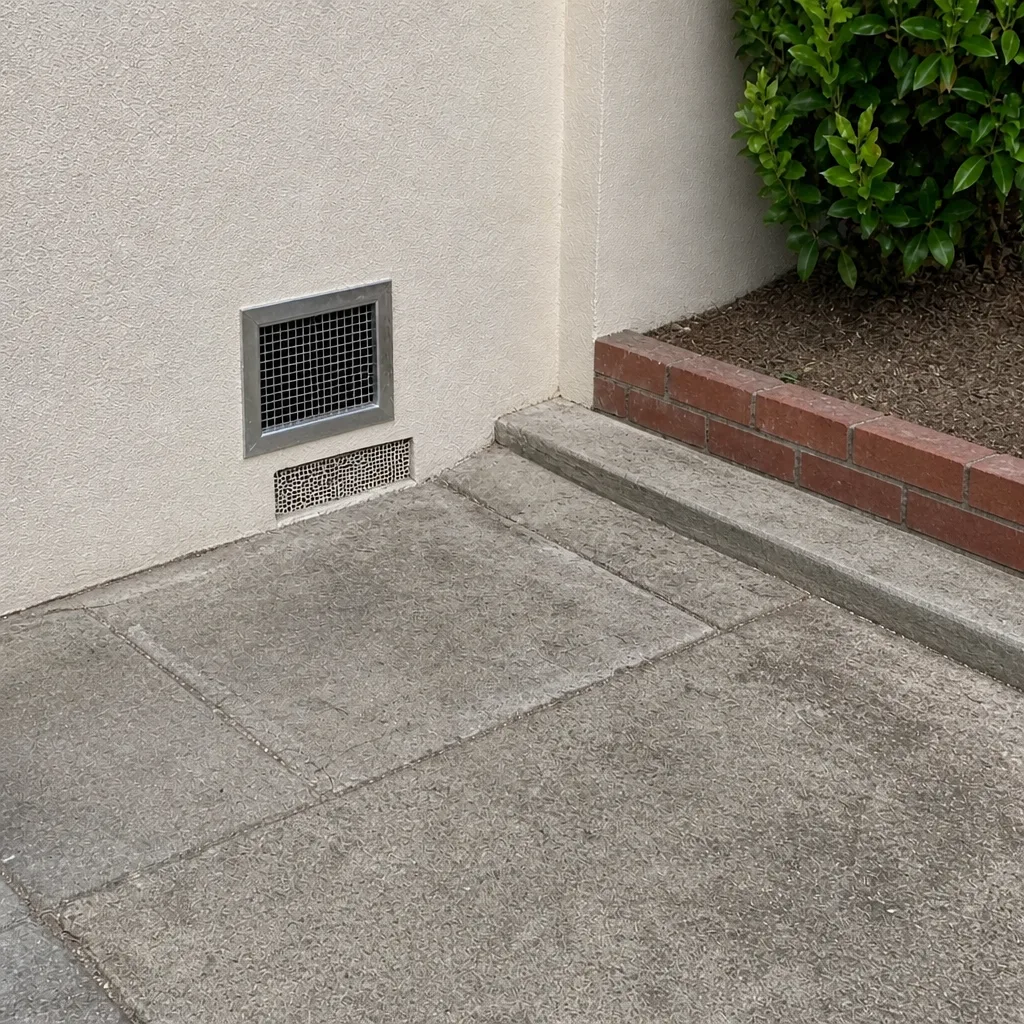 After
When to Call a Professional
Some signals are clear enough to act on without more self-diagnosis. Call us when dust puffs from registers at startup, when a room or zone stays off no matter what the thermostat says, when there’s a persistent musty smell when the system runs, when you can see mold at more than one register, or when your symptoms clearly correlate with the air handler turning on. Call immediately and shut the system off if there’s a burning smell that doesn’t clear within the first cycle of the season. On the equipment side, we’ll flag what we find and tell you when a separate HVAC technician is the right next step. Air Duct Cleaning Los Feliz offers free estimates in Los Feliz – call (866) 937-7218. We answer 24/7. Fast dispatch from 7am to 7pm, Sunday through Friday.
Frequently Asked Questions
Air duct cleaning in Los Feliz is priced per system, not per vent, and the written estimate sets the final price. The estimate is free, and we quote the whole system so you know what you’re paying before any work starts. We don’t use a teaser per-vent price that becomes a bigger invoice once the technician is on site. Call (866) 937-7218 for an exact quote – estimates are free.
Very low quotes are often per-register teasers that don’t cover the return side, the coil, or the trunk, and the price grows once work begins. A trustworthy estimate is a flat per-system price agreed before work starts, with a clear scope that includes supply, return, and the equipment area. Ask what the quote includes and ask for before-and-after photos of your own ducts. Call (866) 937-7218 to talk through what a whole-system price looks like for your home.
Ask for photos of your own duct runs before and after cleaning, and ask which specific runs were cleaned and sealed. A technician should be able to show you the interior of the ducts, the condition of the boots, and the filter setup at the air handler. We photograph our work for this reason. Call (866) 937-7218 to schedule an estimate.
There’s no fixed schedule that fits every home. Most Los Feliz homes don’t need it on a set interval. The right timing depends on signs: visible accumulation, a musty smell, a recent renovation that pushed dust into the system, or a prior leak in the attic. Homeowners with allergies or a family member with respiratory sensitivity often choose to clean when symptoms correlate with system operation. Call (866) 937-7218 and we can talk through whether it’s time.
Yes, and we usually recommend it in that order: repair and seal first, then clean, so the fix holds and attic air isn’t reintroduced after cleaning. Duct repair and sealing is one of our core services, along with cleaning, dryer vent work, HVAC area cleaning, and air quality treatment. Call (866) 937-7218 to book a combined estimate.
No. A musty smell, especially one that appears only when the AC is running, usually points to a dirty evaporator coil or a damp section of duct liner rather than visible mold inside the ducts. The right next step is inspection to find where the moisture is coming from. We don’t do mold remediation, but we can clean and treat the air pathway and install filtration that keeps it drier. Call (866) 937-7218 for a free estimate.
The Bottom Line
Warning signs are most useful when you treat them as clues to a specific failure, not as a general signal to buy a cleaning. Dust at startup often means a disconnected supply run drawing from that hot Los Feliz attic. A musty smell points to the coil or duct liner. Uneven temperatures map to a specific duct failure depending on whether the pattern is one room, one zone, or the whole house. Symptoms that spike within minutes of the air handler starting implicate the air pathway, and mold at one register versus many decides whether the fix is local or systemic. If you’re seeing these signs, Air Duct Cleaning Los Feliz can diagnose, clean, seal, and treat the whole system, with equipment from Rotobrush, Nikro, and Abatement Technologies and filtration products from Honeywell and Aprilaire. Our technicians have up to 11 years of experience. Call (866) 937-7218 for a free estimate. We answer 24/7. Fast dispatch from 7am to 7pm, Sunday through Friday.
Written by the team at Air Duct Cleaning Los Feliz.