
Last updated November 22, 2026
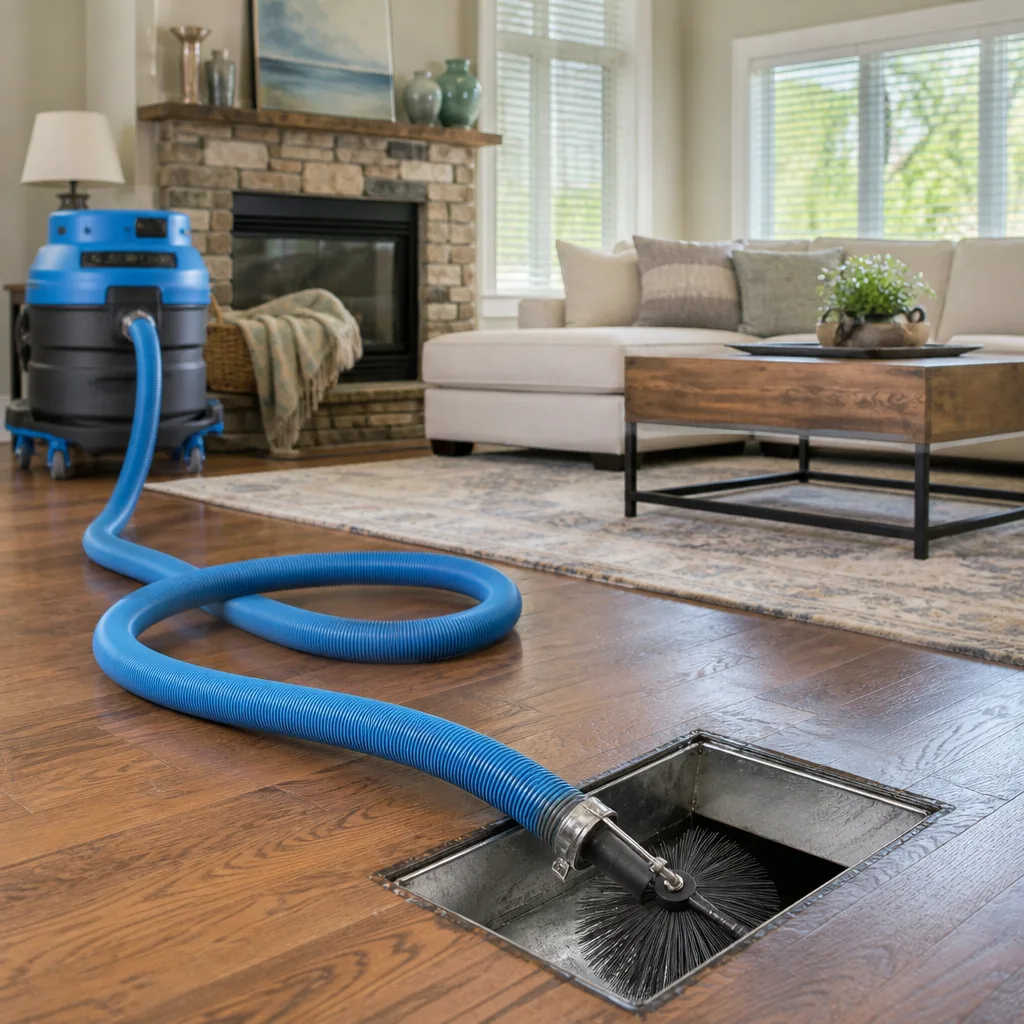 Whole-home duct cleaning
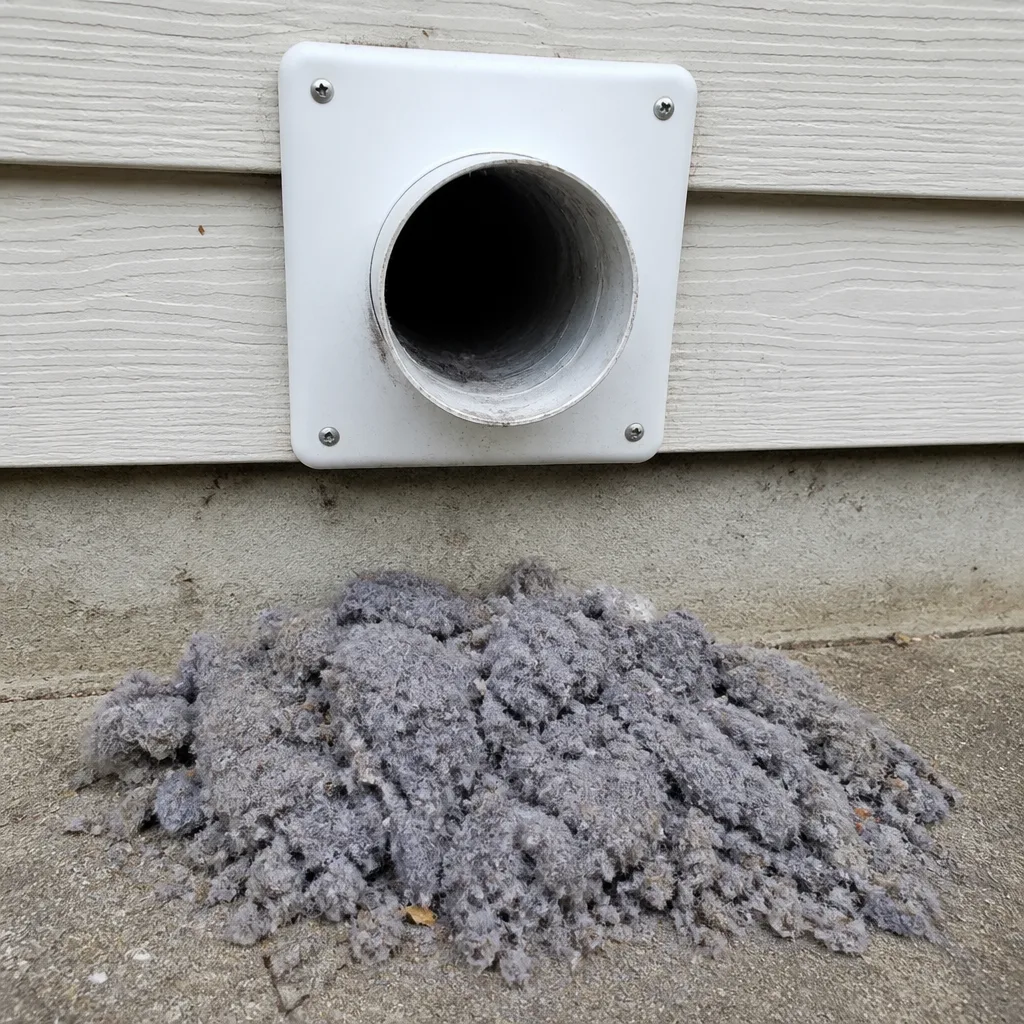 Dryer vent cleaning
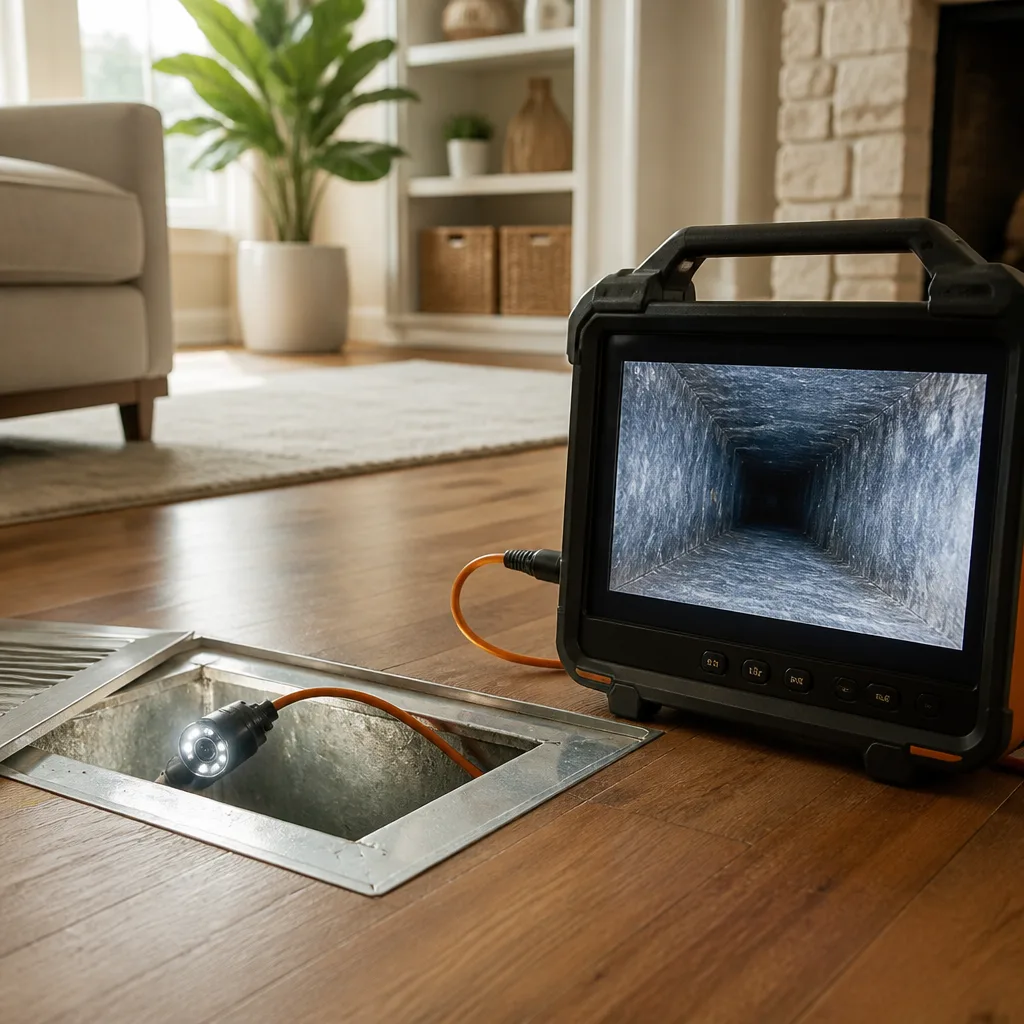 Camera inspection
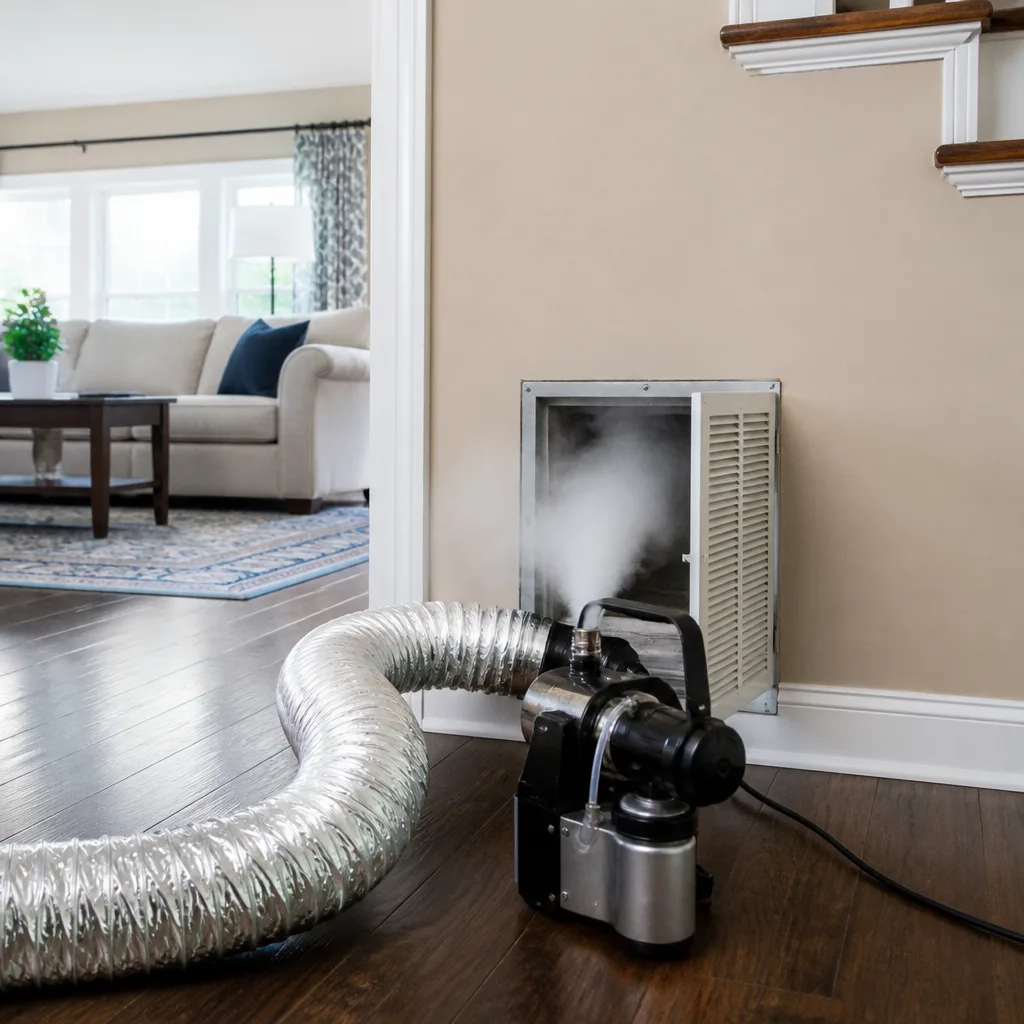 Sanitizing & deodorizing
Whole-system duct and dryer vent check with before-and-after photos - you see exactly what came out of your vents
That "$99 whole-house special" is a bait ad - the real number appears once they are in your hallway, or the "clean" is a shop-vac at the register. We photograph the inside of your ducts before and after instead.
Seasonal Air Duct Cleaning Care for Los Feliz: Year-Round Homeowner’s Guide
Most homeowners treat duct cleaning as a spring ritual, something to schedule alongside the first lawn mowing. In Los Feliz, that calendar is wrong. The forces that load your ducts with particulate here don’t follow the tidy four-season rhythm most maintenance guides assume. They follow a different clock: a long dry season, a fire season that can push smoke into the basin with little warning, and a late-spring marine layer that quietly does its own kind of damage inside attic ducts. The result is that the cleaning moment with the largest effect on your indoor air may land in September, not April. This guide rebuilds the maintenance calendar around what actually happens in Los Feliz, season by season, and shows you how to read your own system for the signals that matter.
Styles & brands we work with
- Whole-home duct cleaning
- Dryer vent cleaning
- Camera inspection
- Sanitizing & deodorizing
Quick Answer
In Los Feliz, air duct cleaning is best timed around the local dry-season cycle rather than a simple four-season schedule: a pre-fire-season preparation in August and September, a post-Santa Ana inspection after high-wind events, and a spring system-startup and marine-layer moisture check in May and June. Between professional cleanings, rising utility bills and visible dust at the registers tell you when the ducts need attention.
Table of Contents
- Why the Los Feliz Climate Breaks the Standard Seasonal Calendar
- Pre-Fire-Season Preparation (August-September)
- Post-Santa Ana Cleaning Rationale
- The Marine Layer Window (May-June): June Gloom and Duct Moisture
- Spring System Startup: The Highest-Impact Maintenance Moment
- Using Utility Bill Trends to Read Duct Performance
- Neighborhood Nuances Around Los Feliz
- Common Mistakes to Avoid
- When to Call a Professional
- Frequently Asked Questions
- The Bottom Line
Why the Los Feliz Climate Breaks the Standard Seasonal Calendar
Most seasonal duct care advice is written for a place with four distinct seasons and a heating-and-cooling cycle that pushes a lot of air through the system in summer and winter and almost none in spring and fall. Los Feliz doesn’t work that way. Homes here often sit at the edge of the hilly neighborhoods that climb toward Griffith Park, with canyon and hillside properties above the flat streets closer to Los Feliz Boulevard. The dry season stretches across most of the year, and the air that moves through your house carries whatever the wind and the season put into it.
The cycle that actually governs duct loading here looks like this:
- Late summer and early fall (roughly August through October): the driest stretch, the peak of fire season, and the point when smoke from red flag events can infiltrate a home through the HVAC system faster than most people expect.
- Santa Ana wind events: hot, dry offshore winds that can arrive in fall and winter, lifting fine dust and particulate and pushing it into gaps, seams and return plenums.
- Late spring (roughly May through June): the marine layer rolls in, bringing the cool, moist June Gloom mornings that leave condensation on cool surfaces, including poorly insulated ducts in attics.
- Cooler months: furnaces cycle on, and the system starts pushing the accumulated fine dust of the dry season into living spaces.
The counterintuitive part is this: many Los Feliz homeowners feel safest indoors during a red flag event, which is precisely when the HVAC system can pull outdoor particulate in. A well-sealed return and a clean, properly filtered system reduce that infiltration. That is why our air duct cleaning Los Feliz work is scheduled around these local cycles rather than a generic spring reminder.
Pre-Fire-Season Preparation (August-September)
Late summer is when the highest-impact preparation happens. The goal is to have your system ready to handle smoke and fine particulate before the worst of fire season arrives, not after. Three things matter most in this window.
Filter upgrade protocol. This is the single most effective step you can take before fire season. Check the filter slot and confirm the size on the old filter before buying a replacement. Upgrade to a higher-efficiency pleated filter rated to capture fine particulate, but stay within the pressure limits your system can handle; a filter that is too restrictive starves airflow and makes the blower work harder. If you’re unsure what your system tolerates, that’s a question worth asking before you swap anything.
Return air sealing inspection. Walk the house and check every return grille. Gaps around the frame, loose screws, and pulled-away drywall let unfiltered air bypass the filter entirely. Seal small gaps with caulk or foam gasket where it’s a simple surface fix. Larger gaps at the plenum or duct connections call for the air duct cleaning-adjacent duct repair and sealing work, since a leaking return is the most common path for outdoor particulate to enter the system.
Recirculation versus fresh air. During a red flag event or when you can smell smoke, set the system to recirculate indoor air and close fresh-air intakes if your system has them. Recirculation keeps the filter doing its job on air you’re already breathing rather than pulling in more outdoor smoke. Run the fan continuously on low during these events so the filter keeps working around the clock; that’s the one time continuous operation earns its electricity cost.
A clear pre-fire-season checklist for a Los Feliz home looks like this:
- Verify the filter size and replace it with a higher-efficiency pleated filter that matches the slot.
- Inspect every return grille and seal simple gaps at the frame.
- Confirm whether the system has a fresh-air intake and know how to close it.
- Note any ducts or connections that look loose, and schedule repair before the season turns.
- Keep a spare filter on hand so a smoky stretch doesn’t catch you without a replacement.
Post-Santa Ana Cleaning Rationale
After a strong Santa Ana wind event, most homeowners’ instinct is to swap the furnace filter. That helps, but it doesn’t address what actually accumulated inside the ducts. Wind-driven fine dust, soot from distant smoke, and grit that bypassed a marginal filter settle on duct walls, in the return plenum, and along the seams where air moves fastest. A filter change cleans the air moving forward; it does nothing about the layer already sitting on the inside of the supply ducts. That’s why a visual inspection is warranted after a major wind event.
What accumulates in supply and return ducts after these events:
- Fine particulate and grit that settles on horizontal runs and collects at the bottom of vertical drops.
- Soot and smoke residue from regional fires, which can leave a fine film on duct walls and registers.
- Dust that bypassed the filter through loose return seams or a filter that loaded up and stopped working well during the event.
- Debris pulled in through an open fresh-air intake or an unsealed return, which lands in the plenum before it ever reaches a living space.
An inspection after a Santa Ana event is a diagnostic step, not a cleaning sales pitch. It tells you whether a professional cleaning is warranted, and it catches the more serious problem: a return or duct connection that opened up and let particulate straight into the system. We use a Rotobrush rotary contact cleaning system and Nikro high-powered vacuums for this kind of work, because a shop vac doesn’t dislodge debris that has bonded to duct walls. If the inspection turns up loose or damaged runs, the repair side of our work handles it before it becomes a chronic air-quality problem in your Los Feliz home.
The Marine Layer Window (May-June): June Gloom and Duct Moisture
Late spring in Los Feliz brings June Gloom, and that cool, moist morning air is quietly the most underappreciated duct-maintenance window of the year. The problem isn’t the outdoor humidity by itself. It’s what happens when that moist marine-layer air meets cool or poorly insulated surfaces inside your attic ducts.
Here’s the mechanism. Ducts that run through the attic are often insulated on the outside, and if the insulation has been compromised by age, rodent activity, or a loose section, condensation forms on the interior of the duct during the cool, moist months. That condensation seeds microbial growth – and a duct interior that stays damp in the June Gloom window gives spores something to feed on. Once growth is established, running the system pushes the byproducts into living spaces all summer.
What to check during the May-June window:
- Duct insulation condition in the attic, especially at joints and where runs pass through unconditioned space.
- Signs of condensation or dampness on duct exteriors or at connections.
- Musty or earthy odors coming from supply registers, especially after the system has been off.
- Any visually compromised duct sections that let moist air in or let cool air out.
Where we find growth or contamination, the fix isn’t just cleaning: sanitizing the affected surfaces and addressing the moisture source is the point. We carry Abatement Technologies air filtration equipment for containment during contaminated cleaning, and we offer Honeywell and Aprilaire products for longer-term air-quality improvement once the moisture issue is handled. Don’t ignore a musty smell in June; it’s the most reliable early signal that duct moisture needs attention.
Spring System Startup: The Highest-Impact Maintenance Moment
Before the first cooling season of the year, the system-startup checklist is the single most consequential maintenance moment for a Los Feliz home on a gas forced-air system. Getting it right prevents a summer of blowing accumulated dust through the house, and it extends the life of the system you depend on during the hot months.
Before you run the air conditioning for the first time in the season, do this:
- Change the filter. Install a fresh, correctly sized filter before startup. That first run of the season pushes air through whatever has sat in the ducts, and a clean filter is your first line of defense.
- Inspect the supply and return registers. Look for visible dust around the grilles and for gaps that let air bypass the filter. Clean the grilles with a vacuum or damp cloth.
- Smell the first air. Run the fan briefly and notice any musty or dusty odor. A one-time dust scent isn’t alarming, but a musty smell points to the moisture issue above.
- Check the outdoor condenser unit for debris, leaves, or anything blocking airflow around and through it.
- Walk the returns and confirm the seals hold, since a loose return at the start of the cooling season is the most common cause of a dusty summer.
- Book a professional inspection if you haven’t had a whole-system cleaning in over a year, and let them verify duct condition, seals, and any moisture findings before the cooling season begins.
The point of startup isn’t just to get cold air moving. It’s to make sure the first air that moves in the season is clean air. Our hvac cleaning covers the air handler, coils, and the connections between the system and the ducts, because a clean duct network attached to a dusty air handler only delivers half the benefit. For Los Feliz homeowners on gas forced-air, this is the one maintenance step worth scheduling in advance each year.
Using Utility Bill Trends to Read Duct Performance
You don’t need a diagnostic tool to know your ducts are degrading. Your utility bills are a proxy, and they’re already in your hands. The trick is reading the trend rather than the absolute number.
Here’s how to use bill data as a duct-performance signal:
- Compare the same month year over year. A rise of roughly 10% or more in a comparable month, with no rate change and no change in usage habits, is a threshold worth acting on. It often points to air loss through leaking ducts or a system working harder than it should.
- Watch for a steady climb over several months. A gradual, consistent rise across the cooling or heating season suggests the ducts are losing more conditioned air than they used to.
- Compare adjacent homes if you have the data. If similar-sized homes on your street are trending flat while yours climbs, duct leakage or degradation becomes the likelier explanation.
- Rule out the obvious first. Confirm rates haven’t changed, no new appliances are drawing power, and the filter is clean. Once those are ruled out, the ducts and connections are the next place to look.
A bill trend is a prompt to inspect, not a diagnosis. When we come out, we check whether leaks at seams or connections are letting conditioned air escape, whether the ducts themselves are degraded, and whether repair and sealing will close the gap. On a Los Feliz home where ducts run through a hot attic, unsealed connections can leak a surprising share of the air you paid to cool.
Neighborhood Nuances Around Los Feliz
Los Feliz isn’t uniform, and the maintenance emphasis shifts block by block. Here’s how the local geography changes the picture.
Homes on the hillside and canyon edges, the streets climbing toward Griffith Park and the neighborhoods above Franklin Avenue, catch more wind-driven particulate and sit closer to the source of smoke during fire-season events. Their return-air sealing matters more, and post-Santa Ana inspections are worth prioritizing. Attic ducts in these homes are also exposed to more dust and temperature swings.
The flatter streets closer to Los Feliz Boulevard and the older housing stock that runs through the neighborhood tend to have the kind of vintage ductwork that benefits most from a careful inspection, because original ducts and connections may not have been touched in a long time. Homes near the commercial corridor see more fine street dust pulled into returns.
Newer builds and renovations need their own check, since ductwork installed in a remodel can be too tight, too long, or poorly sealed at the plenum. And properties that sit near mature trees deal with a specific nuisance: leaves, seed pods, and fine plant debris that find their way into outdoor intakes, plus occasional rodent activity in attic insulation that compromises the duct wrap. Our dryer vent cleaning is often scheduled in the same visit because lint accumulation follows the same seasonal logic and carries a real fire risk that’s easy to overlook. If you’re on a street where you’ve seen a lot of seasonal particulate, that’s a good reason to move an inspection up in the calendar.
Common Mistakes to Avoid
- Cleaning only in spring. The single biggest mistake in Los Feliz is following a generic spring-only calendar and missing the pre-fire-season window in August and September, when preparation actually pays off. Shift your rhythm to the local cycle instead.
- Swapping the filter and calling it done. A filter change doesn’t clean duct walls, and it doesn’t fix a loose return that’s feeding particulate into the system. After a Santa Ana event, an inspection matters as much as a filter swap.
- Running a too-restrictive filter. A high-efficiency filter that chokes airflow does more harm than a moderate one that fits your system’s pressure limits. Match the filter to the system, not to the highest number on the shelf.
- Ignoring June Gloom moisture. A musty smell in late spring is not normal, and it’s the clearest signal that condensation is seeding growth in your attic ducts. Waiting until summer to investigate lets the problem spread through the cooling season.
- Hiring a one-trick cleaner. A vacuumer who only pulls debris out of the ducts can’t seal a leaking return, repair a compromised run, or sanitize contaminated surfaces. Look for a team that handles the whole air pathway.
- Overlooking the dryer vent. Lint accumulates on its own seasonal rhythm and is a genuine fire risk. It’s a quick inspection and one most duct cleaners don’t proactively promote.
- Trusting a coupon over a flat price. A teaser price that turns into a much larger invoice once the technician is on site is the industry’s most common complaint. Insist on one flat price per system, agreed before work starts.
When to Call a Professional
Some seasonal care belongs in your hands, and some belongs with a professional. Call us when: a Santa Ana event has passed and you want a visual inspection of the supply and return ducts, not just a filter change; June Gloom brings a musty smell at the registers that doesn’t go away; your utility bills show a year-over-year climb of roughly 10% or more that rates and habits don’t explain; you see visible dust at the registers or dark streaks around the return grilles; or the system hasn’t had a whole-system cleaning in over a year and the cooling season is about to start.
We recommend a professional for anything involving duct sealing, sanitizing, or opening up the system, because a leak you fix poorly can make air quality worse. Air Duct Cleaning Los Feliz offers free estimates in Los Feliz – call (866) 937-7218. We answer 24/7. Fast dispatch from 7am to 7pm, Sunday through Friday. One flat price per system is agreed before work starts, and you get before-and-after photos of your own ducts so you can see exactly what the work involved.
Frequently Asked Questions
For most Los Feliz homes, a whole-system cleaning about once a year, timed to the local dry-season cycle, is a reasonable baseline, with an additional visual inspection after major Santa Ana wind events or a smoky fire season. Homes near canyon and hillside areas may benefit from a bit more frequent attention. Your own system’s dust load, filter condition, and utility bill trend tell you when to move up the schedule – call (866) 937-7218 for an exact quote; estimates are free.
Yes, it’s often worth it, because a filter change handles the air moving forward but doesn’t remove fine particulate that settled on duct walls and in the return plenum during a smoky event. An inspection tells you whether the accumulation warrants a cleaning. Call (866) 937-7218 to schedule a look at your system.
The two highest-impact windows are late August and September, before fire season peaks, and late spring, before the first cooling season, when June Gloom moisture checks matter most. If you can only book one, the pre-fire-season window protects indoor air when it matters most in Los Feliz. Call (866) 937-7218 for a free estimate and we’ll help you pick the right slot.
Whole-system cleaning is priced per system by a written estimate rather than by the vent or by a teaser coupon, and the written estimate sets the final price. We don’t quote a flat per-vent number because every home’s duct network is different, and a real quote depends on size, condition, and whether repair or sealing is needed. Call (866) 937-7218 for an exact quote; estimates are free.
Cheap quotes usually cover a limited service – often a surface vacuum of the visible ducts – and can turn into a much larger invoice once the technician is on site. The reliable measure isn’t the first number; it’s whether the quote covers the whole air pathway, including returns, plenum, and sealing, at one flat price agreed before work starts. Call (866) 937-7218 to compare a genuinely complete quote for your system.
Ask for before-and-after photos of your own ducts, which let you see exactly what the work involved rather than taking it on trust. A team with the right equipment and a whole-system approach can show its work. Our technicians have up to 11 years of experience, and we’re glad to walk you through what we find. Call (866) 937-7218 for an exact quote; estimates are free.
The Bottom Line
Los Feliz duct care runs on its own calendar, not the four-season one most guides assume. Prepare in August and September before fire season, inspect after Santa Ana wind events, watch for June Gloom moisture in late spring, and treat spring system startup as the year’s highest-impact maintenance moment. Use your utility bill trend, a roughly 10% year-over-year climb, as a prompt to look closer. And when you hire, insist on one flat price per system agreed before work starts and photos of your own ducts. Call (866) 937-7218 for a free estimate. We answer 24/7. Fast dispatch from 7am to 7pm, Sunday through Friday.
Written by the team at Air Duct Cleaning Los Feliz.
See the difference
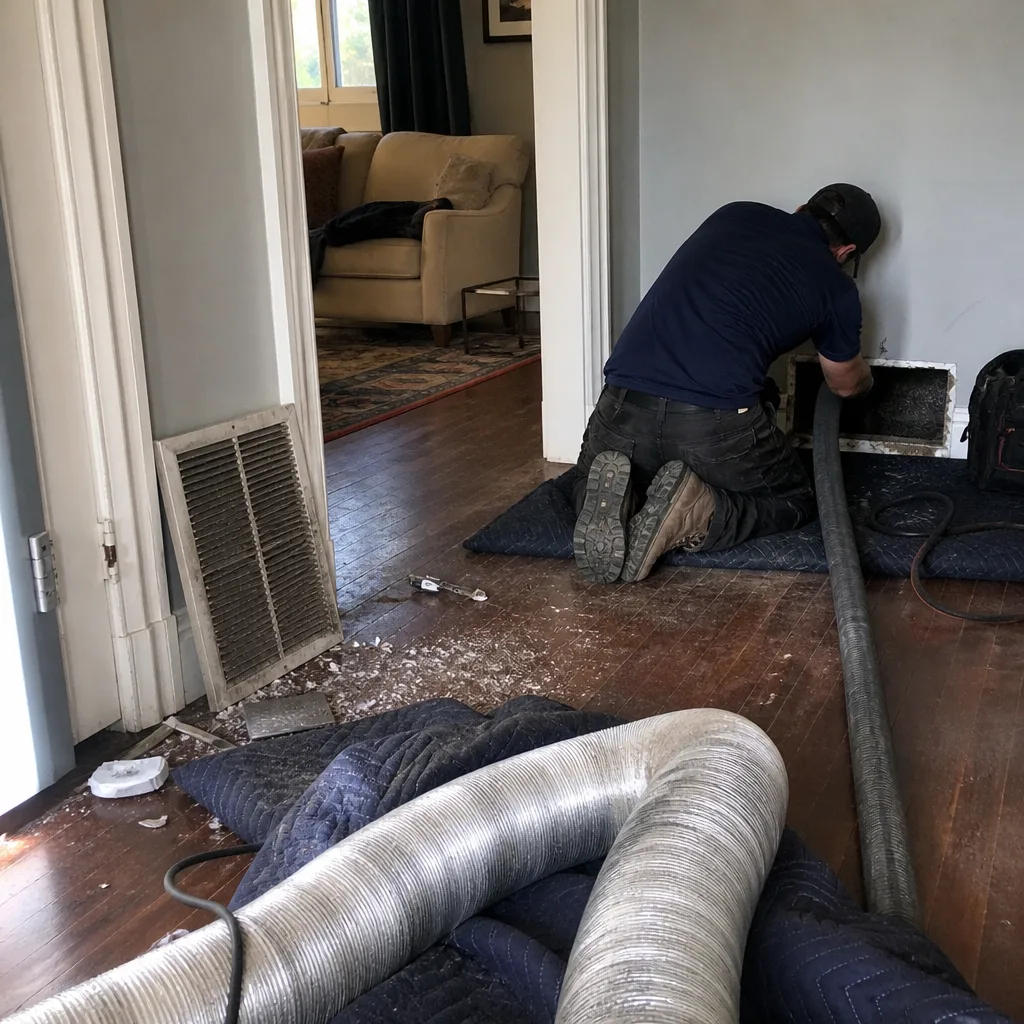 Before
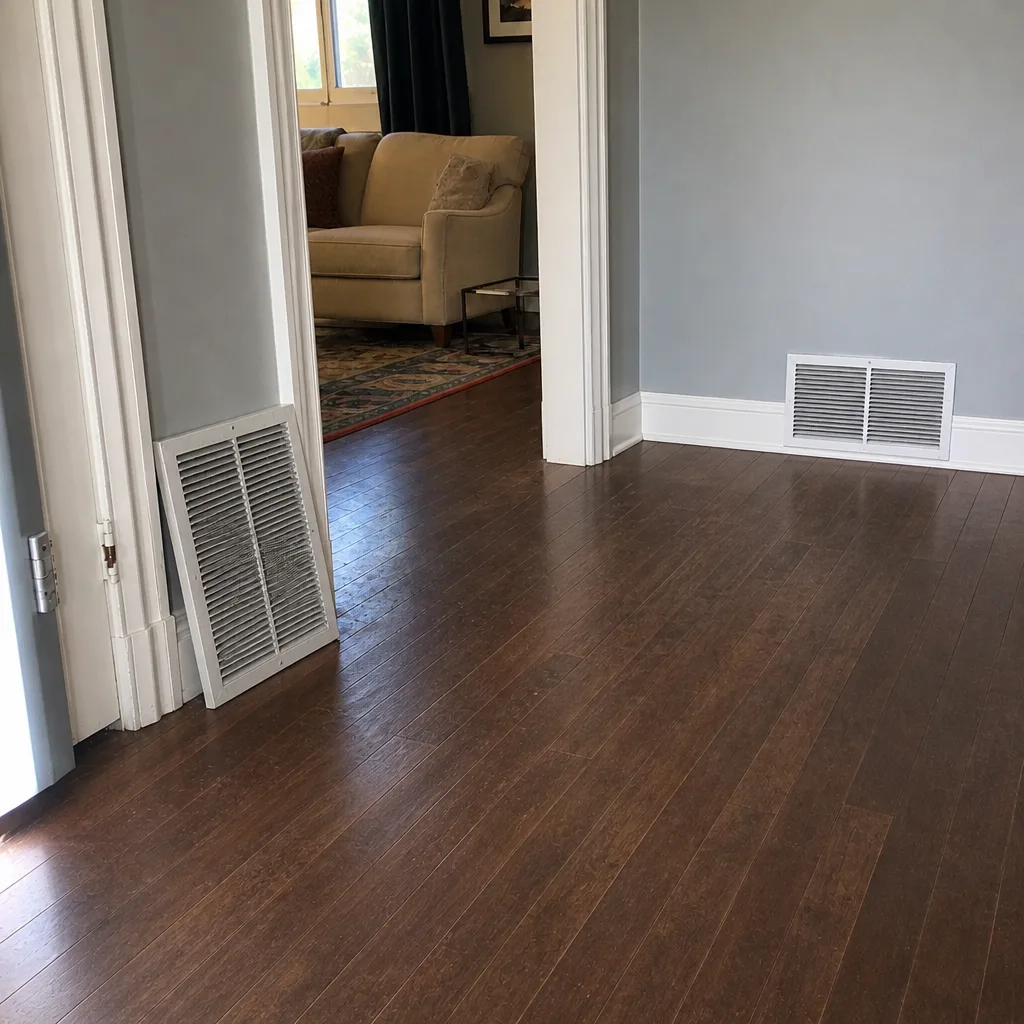 After
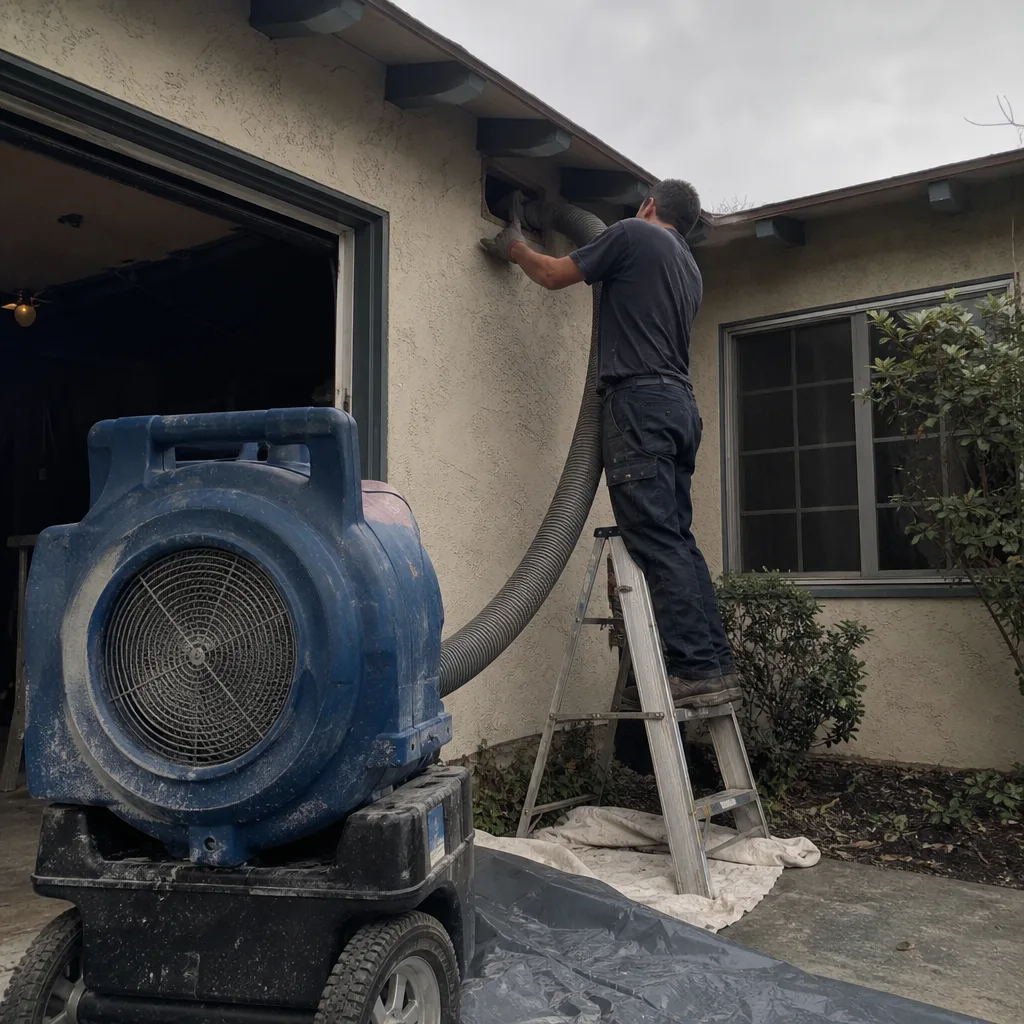 Before
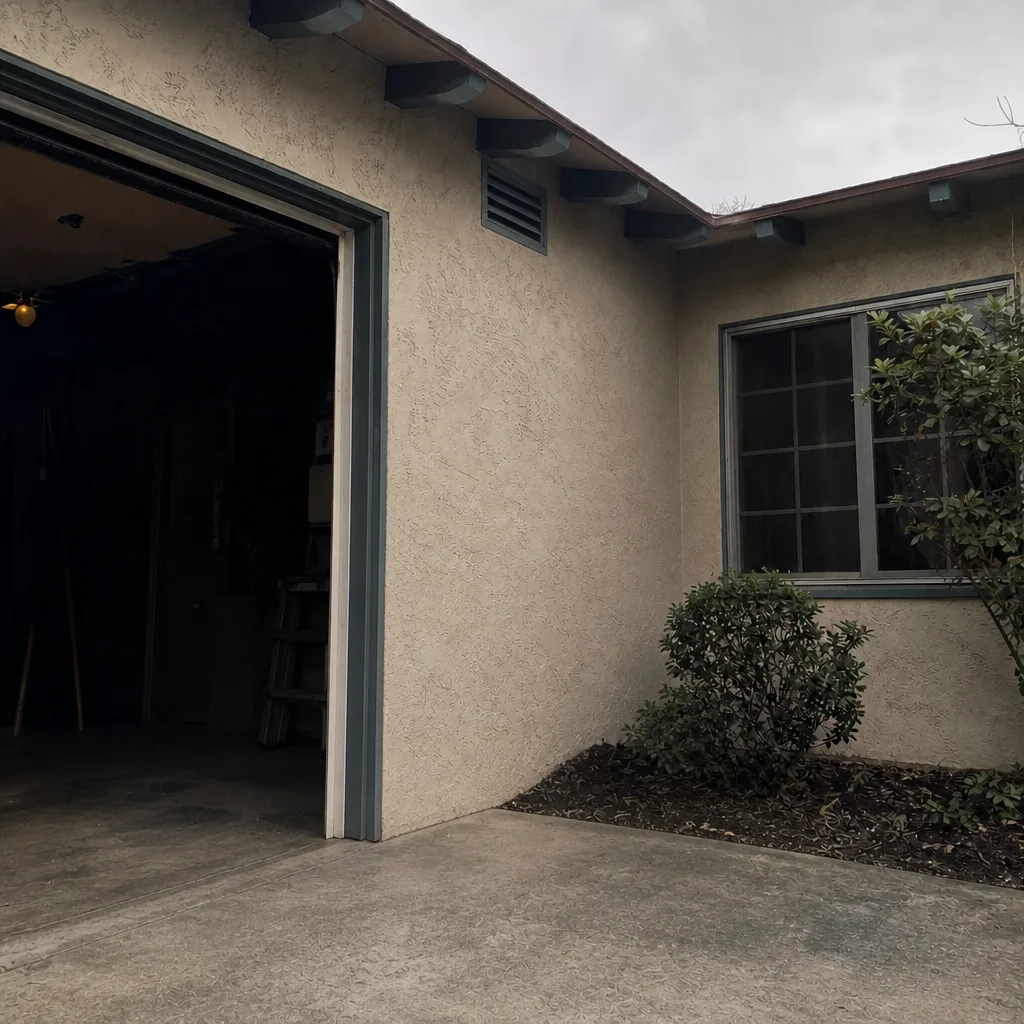 After
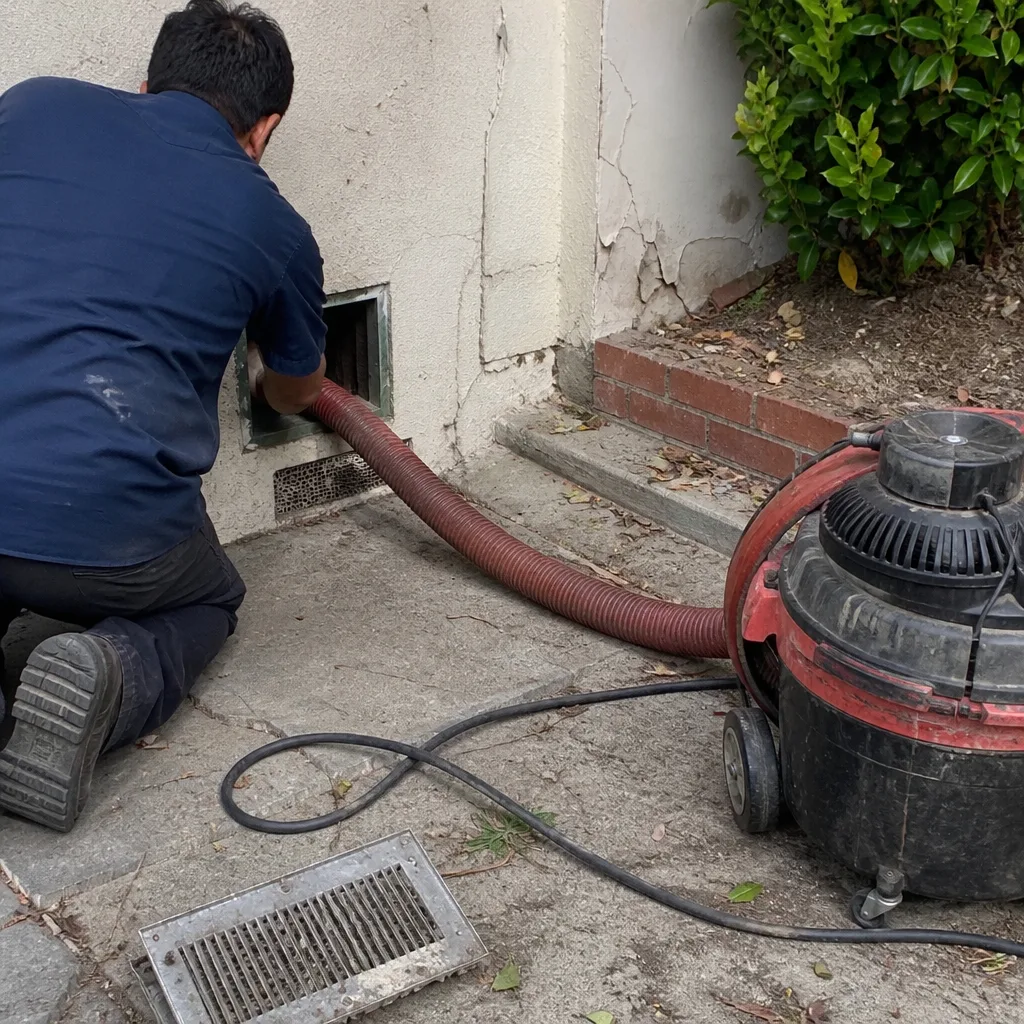 Before
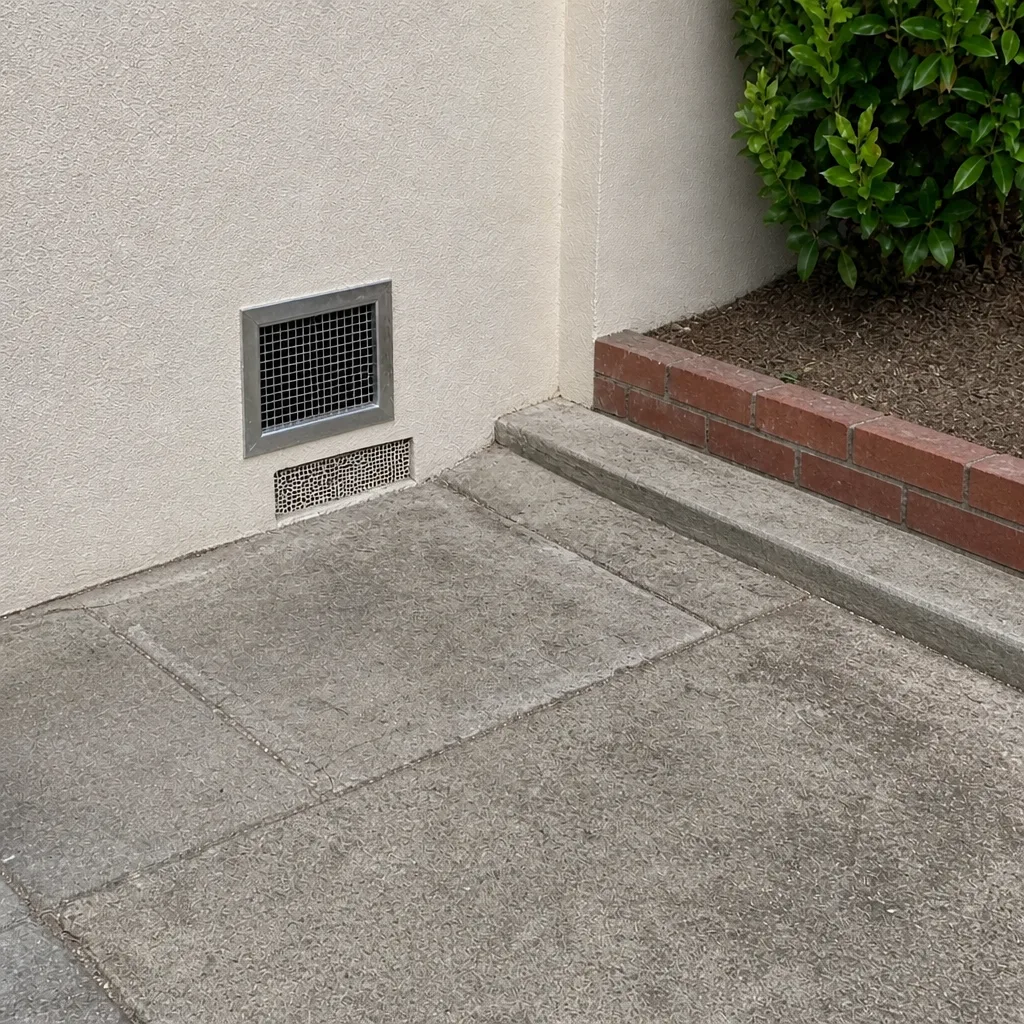 After