
Last updated November 22, 2026
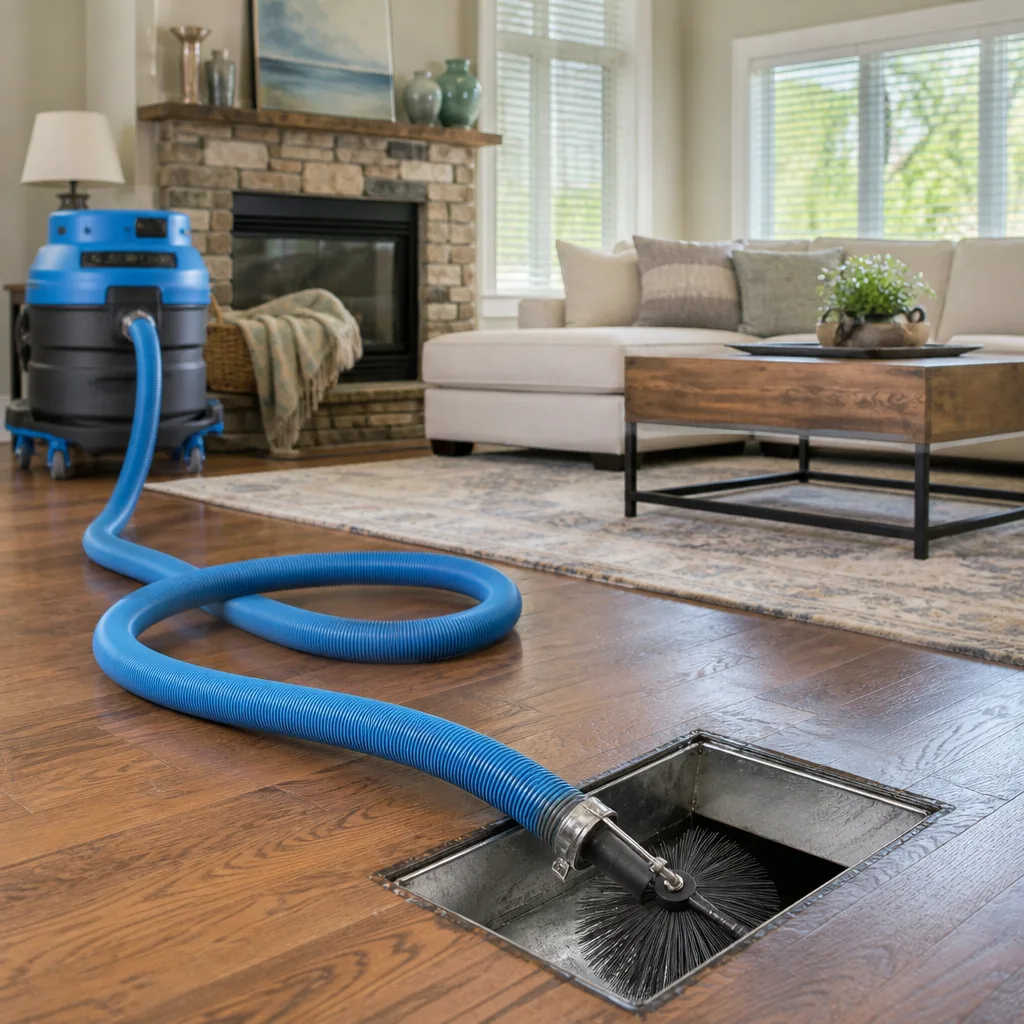 Whole-home duct cleaning
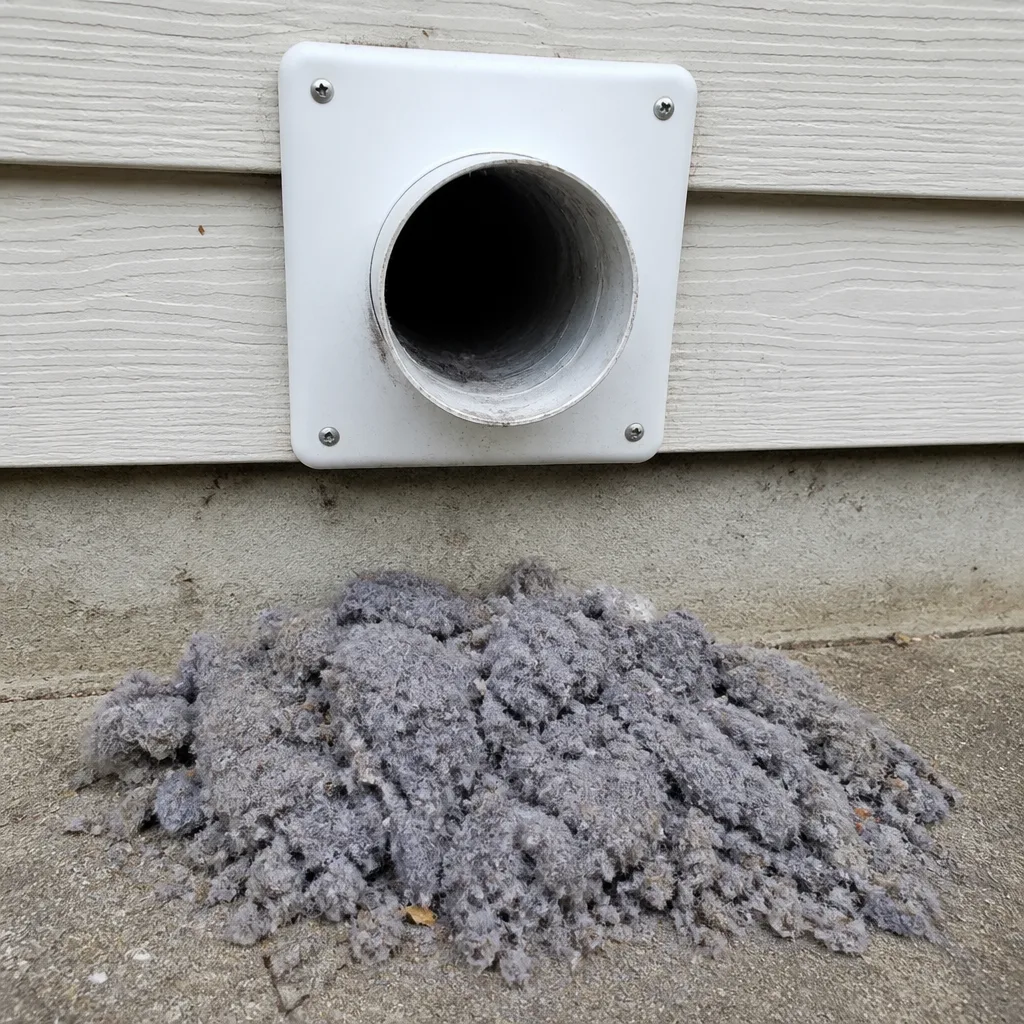 Dryer vent cleaning
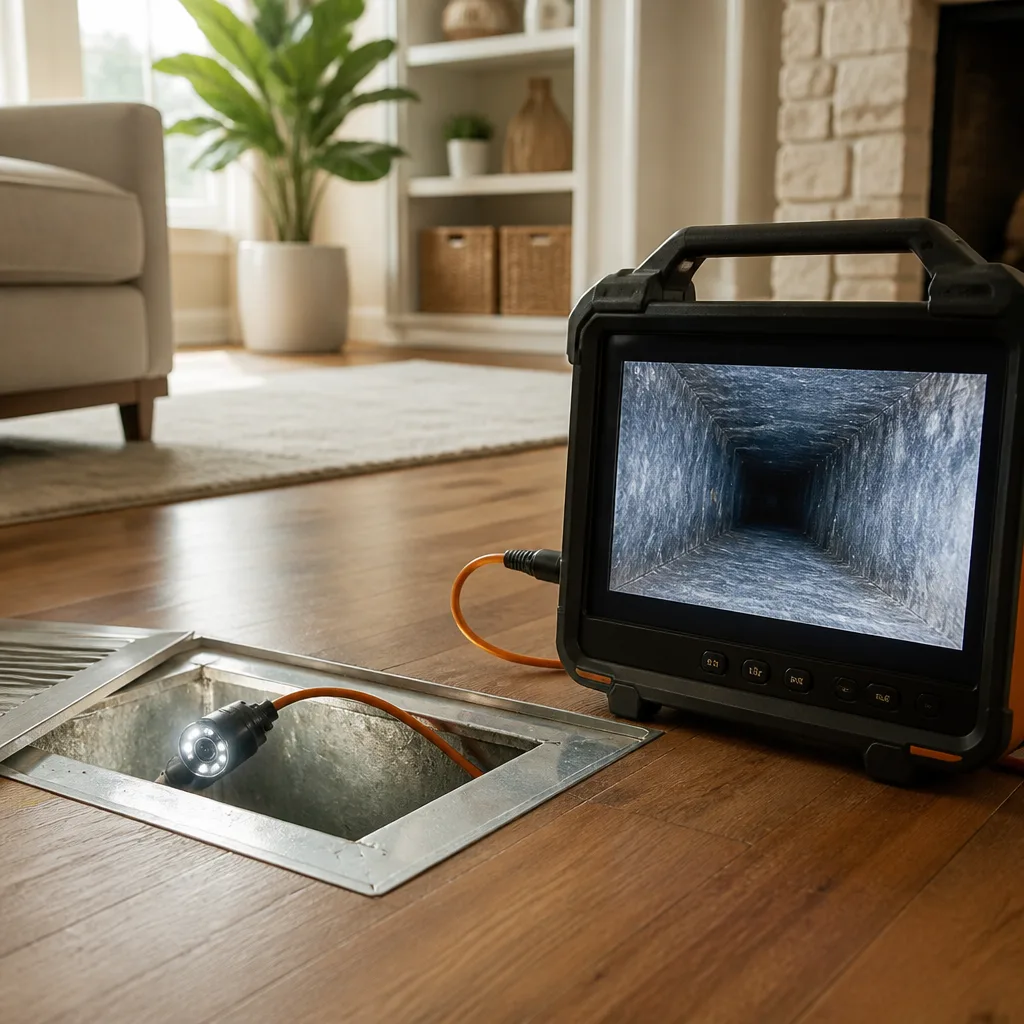 Camera inspection
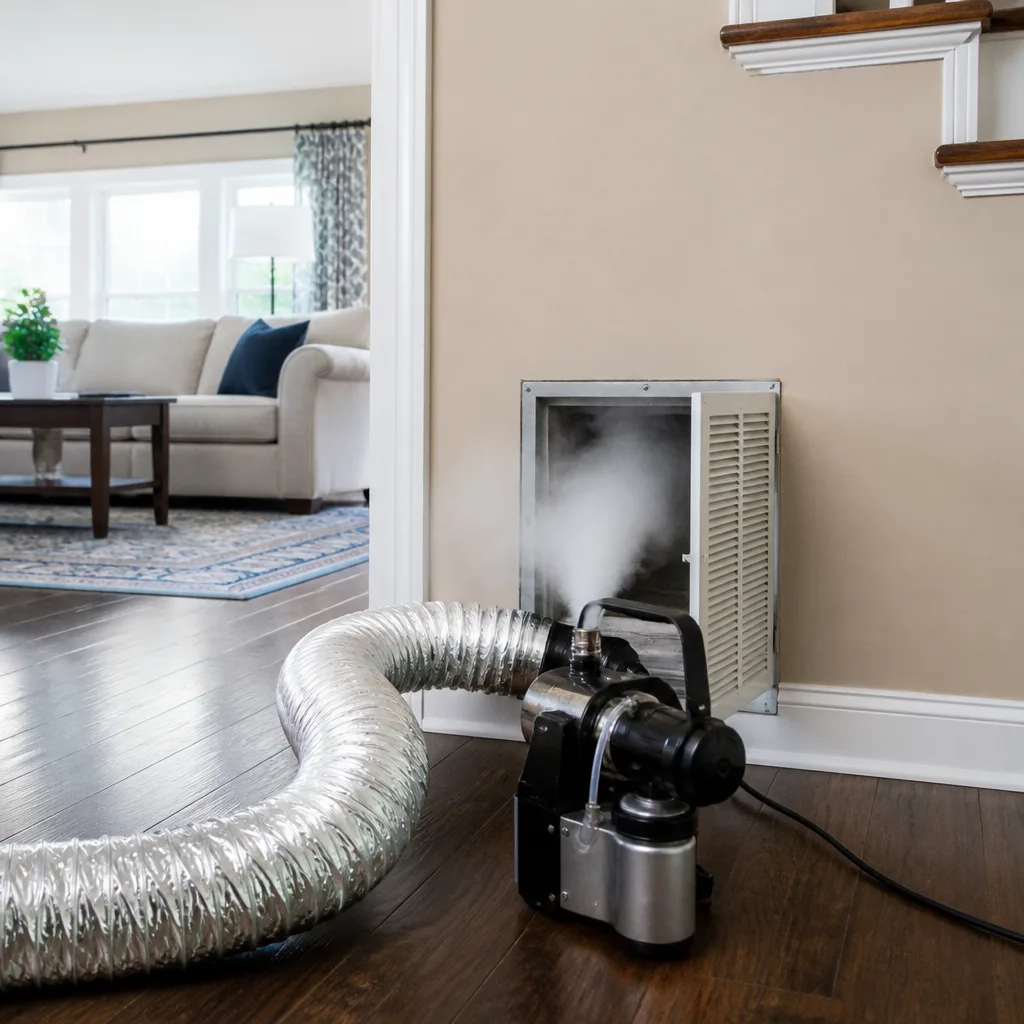 Sanitizing & deodorizing
Whole-system duct and dryer vent check with before-and-after photos - you see exactly what came out of your vents
That "$99 whole-house special" is a bait ad - the real number appears once they are in your hallway, or the "clean" is a shop-vac at the register. We photograph the inside of your ducts before and after instead.
DIY vs Professional Air Duct Cleaning: The Los Feliz Homeowner’s Decision Guide
Most homeowners assume the gap between a shop vac and a professional duct cleaning rig comes down to horsepower. It’s really about airflow physics. A typical shop vac pulls roughly 100 cubic feet per minute of suction at the hose. A professional duct cleaning unit moves air in the range of 12,000 to 16,000 CFM. That’s not a bigger version of the same tool. It’s an instrument that creates negative pressure across an entire duct system, so debris lifts off the duct walls and gets captured instead of settling back down. This guide lays out exactly what you can do yourself, what you genuinely can’t, and how to decide which approach makes sense for your Los Feliz home.
Quick Answer
DIY air duct cleaning is useful for surface-level work: cleaning register grilles, replacing filters, clearing a dryer vent, and checking accessible duct connections by eye. It cannot clean the interior of trunk lines, the blower wheel, or the evaporator coil, because consumer equipment can’t generate the negative pressure or mechanical agitation those jobs require. For a Los Feliz home with visible dust at the registers, recent renovation debris, or a system that hasn’t been cleaned in several years, professional cleaning is the only method that actually removes accumulated contamination rather than moving it around.
Styles & brands we work with
- Whole-home duct cleaning
- Dryer vent cleaning
- Camera inspection
- Sanitizing & deodorizing
Table of Contents
- Why Equipment Physics Decides the DIY Question
- What DIY Air Duct Cleaning Actually Accomplishes
- What DIY Air Duct Cleaning Can’t Do
- The Real Risk of Partial DIY Intervention
- Los Feliz Housing Stock and What It Means for Your Ducts
- Cost-Benefit: When Professional Cleaning Pays Off
- The Hybrid Approach: Prepare Before the Technician Arrives
- Common Mistakes to Avoid
- When to Call a Professional
Why Equipment Physics Decides the DIY Question
The difference between cleaning a duct and cleaning the surface of a duct comes down to two things: pressure and agitation. You need enough negative pressure to hold fine particulate in suspension once it’s disturbed, and you need mechanical contact to break the bond between debris and the duct wall. Consumer equipment falls short on both counts, and it’s not close.
Professional-grade systems solve the pressure problem with high-volume vacuums connected to the trunk line, pulling the whole system into negative pressure before any cleaning begins. They solve the agitation problem with rotary brush systems. A Rotobrush unit feeds a spinning brush head through the duct run, physically scrubbing the interior walls of both rigid and flex duct. Nikro vacuums and related equipment handle the capture side, and Abatement Technologies air filtration equipment is used when the debris load is heavy enough that dust needs to be contained rather than just collected.
Here’s the practical comparison:
- Consumer shop vac: roughly 100 CFM of suction at the hose, no rotary agitation, no whole-system negative pressure. Useful for surface debris near registers.
- Professional duct cleaning unit: 12,000 to 16,000 CFM, connected to the trunk line, with rotary brush agitation driven through individual runs.
That’s a difference of two orders of magnitude. A shop vac placed against a register pulls local air through the grille. It does not pull debris off the far end of a 20-foot trunk run, and it doesn’t touch the walls at all.
Why suction alone isn’t enough
Dust that has settled inside a duct isn’t loose. Over time it bonds to the galvanized surface, especially in a system that runs intermittently. What’s sitting on that metal is a film, not a pile. Airflow alone slides across the top of it. You need a brush in contact with the wall while the system is under negative pressure, so what breaks free moves toward the vacuum instead of into the room.
Our technicians have up to 11 years of experience working with this equipment, and the lesson that comes up again and again is that the agitation step is the one homeowners underestimate. Cleaning a duct means physically scrubbing it. Everything else is support equipment.
What DIY Air Duct Cleaning Actually Accomplishes
DIY duct maintenance is worth doing, and we’d rather tell you that plainly than pretend everything requires a truck. Several tasks have real value and don’t need professional equipment.
- Clean the register grilles and covers. Remove each grille, wash it in warm soapy water, dry it fully, and reinstall. Grilles collect a visible film of dust that gets pushed back into the room every time the system runs. This is the single highest-return DIY task on the list.
- Replace the filter on schedule. A clogged filter restricts airflow, strains the blower, and lets more particulate bypass into the system. Check it monthly during heavy cooling season and replace it when it’s visibly loaded. This matters more than most homeowners realize.
- Clear the dryer vent. Disconnect the vent from the back of the dryer, pull out the lint that’s accumulated at the connection, and clear the run with a vent brush kit. Lint buildup is a fire risk, and it’s the one duct-related DIY job with a genuine safety payoff. We also offer this as a standalone service through our dryer vent cleaning if you’d rather have it done thoroughly.
- Inspect accessible connections by eye. Where duct runs are exposed in a garage, closet, or crawlspace, look for disconnected joints, crushed flex duct, or visible gaps at seams. Note what you find. Crushed flex duct is common and easy to spot once you know what you’re looking for.
- Vacuum around the return grille. Dust that collects on and around the return pulls straight into the system. A quick pass with a brush attachment keeps it out of the air stream.
These five tasks take an afternoon and genuinely improve the system’s performance. What they don’t do is clean the interior of the ductwork, and that’s the part that needs the right equipment.
What DIY Air Duct Cleaning Can’t Do
There’s a hard line between what consumer tools reach and what they don’t. Here’s where that line sits.
- Negative-pressure mechanical agitation of trunk lines. Without whole-system negative pressure, anything dislodged inside the duct has nowhere to go but into the living space. Professional cleaning establishes the pressure differential first, then agitates. Without that sequence, you’re not cleaning, you’re redistributing.
- Blower wheel cleaning. The blower wheel sits inside the air handler and accumulates a mat of dust on its fins. That mat throws the wheel out of balance and cuts airflow. Cleaning it requires opening the air handler, which is not a homeowner job. It’s part of a proper HVAC cleaning.
- Evaporator coil surface treatment. The coil sits behind the filter and collects dust that gets past it. A dirty coil loses heat-exchange efficiency and can ice up. Coil cleaning needs the right cleaner, the right rinse, and containment for the runoff. It is not a spray-and-wipe task.
- Contained debris removal from flex duct interiors. Flex duct has a ribbed interior that traps debris in the ridges. Rotary brushes reach into those ribs. A vacuum hose passed through the run doesn’t, and flex duct is easy to damage if you try to force it.
This is the gap a professional visit closes. Our approach to air duct cleaning starts with establishing negative pressure on the system, then runs rotary contact cleaning through each branch, and finishes by sealing any joints that were leaking. Clean ducts start with the right equipment, and the equipment is the difference.
The Real Risk of Partial DIY Intervention
The most common DIY mistake we hear about isn’t doing nothing. It’s doing something halfway that makes the problem worse. Two methods show up again and again, and both cause real trouble.
The first is the leaf blower method. The idea is to blow air into one register to push debris out of another. What actually happens: the blower loosens fine particulate throughout the duct system, the system isn’t under negative pressure, and that particulate exits through every gap, seam, and register in the house. You end up with a visible dust plume in the living room and a fresh coating on every horizontal surface. Some of it lands in the HVAC equipment, which is worse.
The second is the reversed vacuum method. Attaching a shop vac to a register in blow mode does the same thing on a smaller scale. It agitates debris without containing it, and because the vacuum is pulling from one point and pushing from another, the net result is debris spread across the duct run rather than removal.
The specific danger here isn’t injury. It’s contamination of living space and equipment. Fine particulate driven out of a duct system settles into soft furnishings, bedding, and HVAC components. If anyone in the household has allergies or respiratory sensitivity, that’s a direct hit. Pregnant household members and young children are the ones most affected by a dust event like this.
Why containment matters
Professional cleaning uses containment as a first step, not an afterthought. The Abatement Technologies filtration equipment in our kit exists for exactly this reason: air scrubbing during cleaning so that particulate pulled from the ducts gets filtered rather than released into the room. When the debris load is heavy, containment is what keeps the process from becoming a dust event. DIY has no containment step. That’s the structural reason it can’t safely disturb a dirty system.
Los Feliz Housing Stock and What It Means for Your Ducts
Los Feliz is a neighborhood of contrasts, and that shows up in the ductwork. The hillside streets above Los Feliz Boulevard have a lot of 1920s and 1930s Spanish and Mediterranean homes. Many of those have been retrofitted with ductwork decades after they were built, often run through attics or wall cavities that weren’t designed for it. Below the boulevard, the flat streets have a mix of mid-century bungalows and postwar apartment buildings. Each type has its own duct profile.
What that means in practice:
- Older hillside homes often have short runs and flex duct retrofits with several elbows. Every elbow is a debris trap. Those systems accumulate faster than a straight-run modern system and benefit from inspection during any cleaning visit.
- Mid-century bungalows frequently have original rigid galvanized duct with taped or mastic seams that have aged. Leaky seams pull attic air into the system. That’s a duct sealing issue as much as a cleaning issue, and it’s why we treat duct repair and sealing as a core service rather than an add-on.
- Postwar apartment buildings on the flat streets often share duct risers across units. A single-unit cleaning needs to account for how the shared run is configured, and building managers benefit from a walkthrough before scheduling.
Los Angeles also has a dry, dusty climate for much of the year, and Los Feliz sits close enough to Griffith Park that the outdoor particulate load is real. Windows open in spring and fall pull that dust indoors, where the return side of the system collects it. Combine that with the marine layer mornings that push humidity up in spring, and you’ve got conditions that let dust bond to duct surfaces rather than stay loose. That bonded film is exactly what rotary brush cleaning removes and a shop vac doesn’t touch.
The renovation activity in Los Feliz adds another variable. Homes here get substantial remodels, and drywall dust is the worst thing a duct system can ingest. If a home has been remodeled without the vents sealed during construction, professional cleaning is essentially mandatory afterward. That’s a Los Feliz-specific concern because the remodeling pace in this neighborhood is high.
Cost-Benefit: When Professional Cleaning Pays Off
Professional duct cleaning is not a maintenance item you schedule on a calendar. It’s a response to specific conditions. Some homes here need it; some don’t. Here’s how we think about it.
When professional cleaning has clear return
- Post-renovation. Drywall dust, sawdust, and construction debris get into the system unless the vents were sealed during the work. This is the highest-priority scenario in Los Feliz given the renovation volume here.
- Allergy or respiratory household. If someone in the home reacts to dust or has seasonal allergies that get worse indoors, the source matters. Cleaning ducts doesn’t cure allergies, but removing the reservoir of accumulated dust removes a genuine trigger source.
- System not cleaned in five or more years. At that point, the accumulated film in the ducts has usually bonded. It’s no longer something airflow will carry out. The system needs mechanical cleaning.
- Visible dust at the registers, or a musty smell when the system runs. Either one means the supply side is delivering more than conditioned air.
- Recent HVAC work. If the system’s been opened for repair, contamination can enter. A cleaning after the repair protects the new work.
When professional cleaning is lower priority
- Newer construction with sealed ductwork and clean filters. If the home is recent and the system has been maintained, the ducts are likely still clean.
- No symptoms. If there’s no visible dust, no smell, no allergy complaint, and no recent renovation, you can reasonably wait and monitor.
- Filter maintenance is current. A home that replaces filters on schedule and keeps the return path clear accumulates debris much more slowly.
The cost of professional cleaning is set per job by written estimate, and it varies with the number of runs, the system’s condition, and whether sealing or repair is needed. The one number we’d caution against is a cheap quote. If a price seems dramatically lower than the others, ask what it includes. Per-vent pricing and teaser rates are how bait-and-switch happens in this trade. Ask for a flat price per system, agreed before any work starts, with before-and-after photos of your own ducts. That’s the standard we hold ourselves to, and it’s the standard you should ask every contractor to meet.
The Hybrid Approach: Prepare Before the Technician Arrives
The smartest version of this decision isn’t DIY or professional. It’s DIY prep followed by professional cleaning, and here’s what that looks like.
- Clear access to the registers and the air handler. Move furniture away from grilles, clear the closet or utility space around the air handler, and make sure the attic or crawlspace access is unobstructed. This alone shortens the visit.
- Write down what you notice. Whistling registers, a dusty film on the return grille, a musty smell at startup, uneven airflow between rooms. Bring this list to the technician. Your observations help them direct attention to the right runs and verify their findings make sense.
- Check the filter and take note of its condition. A filter that loads up in a week rather than a month tells you something about the system. That’s diagnostic information the technician can use.
- Look at the accessible connections before the visit. Crushed flex, disconnected joints, or visible gaps are worth flagging. You can point to them, and the technician can confirm whether they’re the source of a pressure problem.
- Ask what the quote includes before booking. Flat price per system, before-and-after photos, and whether the blower wheel and coil are in scope. A proper cleaning covers the supply and return ducts, the HVAC equipment, and seam inspection. If a quote is just “duct cleaning,” ask what else is included.
This hybrid model gets the best of both. You’ve done the tasks that don’t require equipment, you’ve identified the conditions that need professional attention, and you’ve narrowed what the technician needs to look for. It’s also how a homeowner verifies that the findings from a technician make sense. If you’ve already noted a crushed duct run behind the air handler and the technician flags the same thing, you know they’re actually looking at your system.
What to verify after the visit
Ask for the before-and-after photos. A legitimate contractor has them and expects to show them. Look at the same runs you identified, and confirm the cleaning reached what the original list flagged. If sealing or repair was part of the scope, ask to see where it was done. We also offer duct repair and sealing as part of a single visit, which means the cleaning, the sealing, and any duct runs that need replacing are all handled without a separate contractor.
If the home also needs the air quality products addressed, Honeywell and Aprilaire filtration and air quality components are the brands we stock and install. That’s the bridge between a cleaning service and long-term indoor air health, and it’s worth asking about if the dust load is recurring. Filters handle what reaches them. Clean, sealed ducts mean more air reaches the filter in the first place.
Common Mistakes to Avoid
- Blowing air into the ducts with a leaf blower or reversed vacuum. This is the single worst DIY approach. It distributes fine particulate throughout the living space instead of removing it, and it can contaminate the HVAC equipment.
- Hiring on price alone. A quote far below the others almost always means a per-vent charge, a partial clean, or a bait-and-switch once the technician is on site. Ask what’s included in writing before you book.
- Skipping the post-renovation clean. In Los Feliz, where remodeling is common, this is the biggest miss. Construction dust in a duct system is the hardest kind to live with, because it’s fine, it’s abrasive, and it gets into the blower wheel.
- Ignoring leaky seams. If the ducts are leaking, cleaning solves half of the problem. Attic air gets pulled into the system through every gap. Cleaning without sealing means the dust returns.
- Treating cleaning as a substitute for filter maintenance. Filter replacement is the cheapest, highest-impact task in the system. Not replacing it is the reason some homes get dirty ducts in the first place.
- Not asking for before-and-after photos. A cleaning you can’t verify is a claim, not a service. Photos of your own ducts are the proof.
- Assuming the blower wheel and coil are included. Some quotes cover the ducts only. The blower wheel and the evaporator coil are where efficiency gets lost, and they should be part of the scope.
When to Call a Professional
Call a professional if any of these describe your situation: recent renovation without sealed vents, a system that hasn’t been cleaned in five or more years, visible dust or musty odor at the registers, allergy symptoms that worsen indoors, or visible damage at accessible duct connections. Call if you’re a property manager for a Los Feliz apartment building with a shared duct riser; the configuration needs assessment before scheduling.
The equipment matters, and it’s why these conditions call for a professional visit rather than a better shop vac. Rotary brush systems, high-volume negative pressure, containment filtration, and blower wheel cleaning are the difference between a clean system and a dust redistribution event.
Air Duct Cleaning Los Feliz offers free estimates in Los Feliz. Call (866) 937-7218. We answer 24/7. Fast dispatch from 7am to 7pm, Sunday through Friday.
See the difference
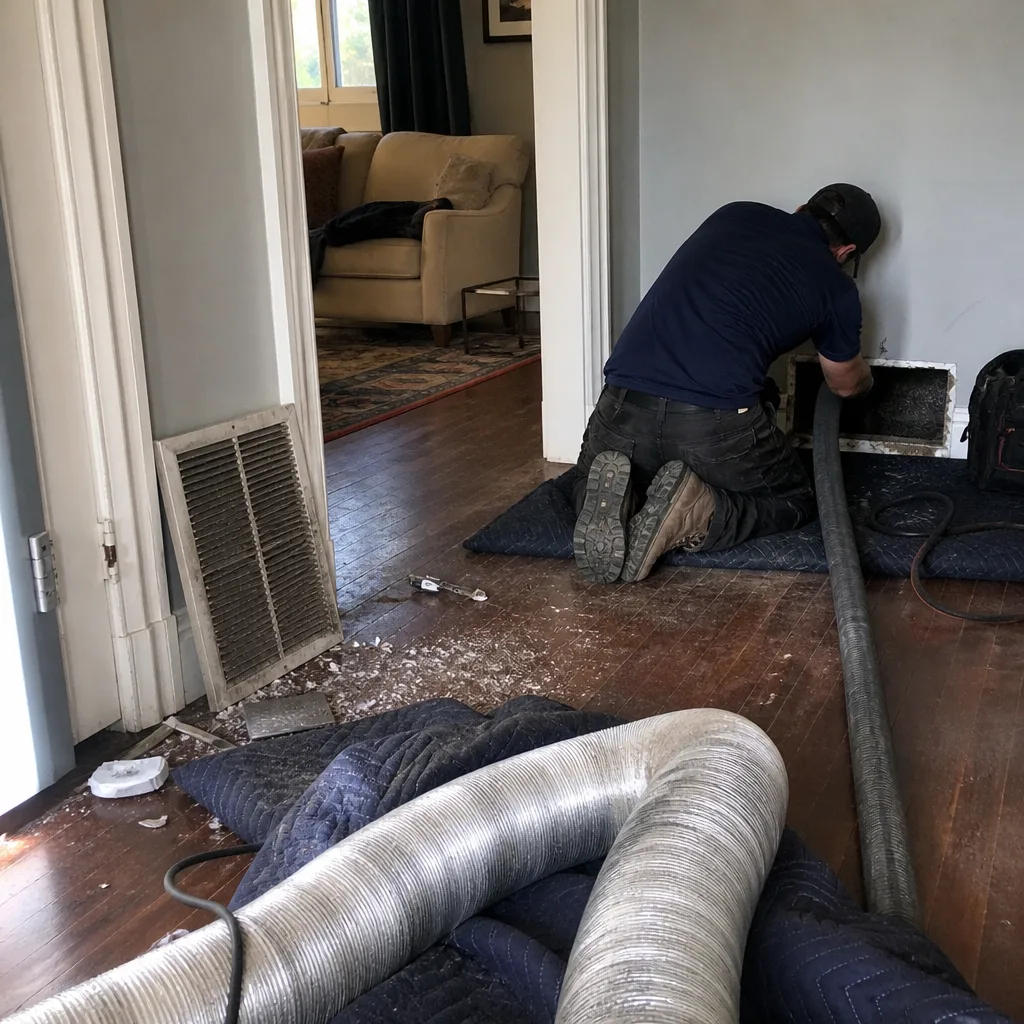 Before
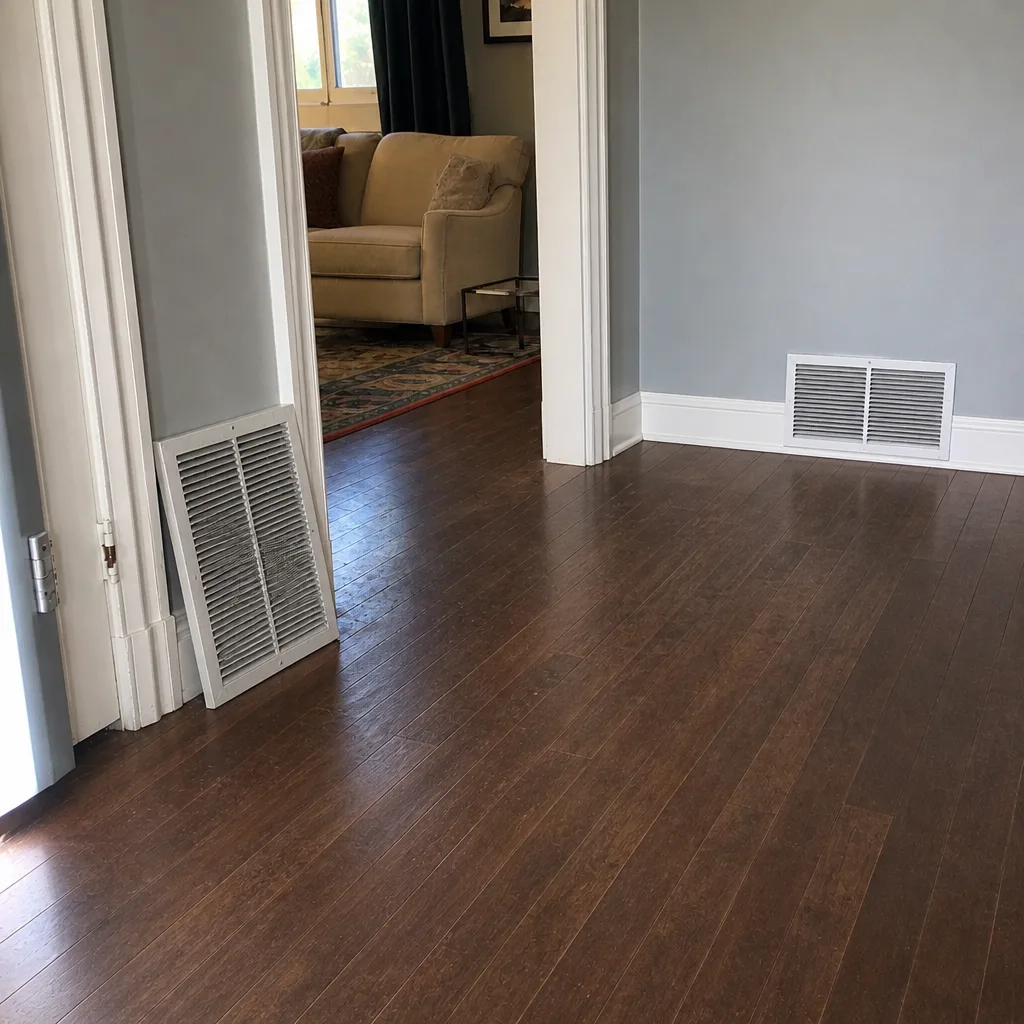 After
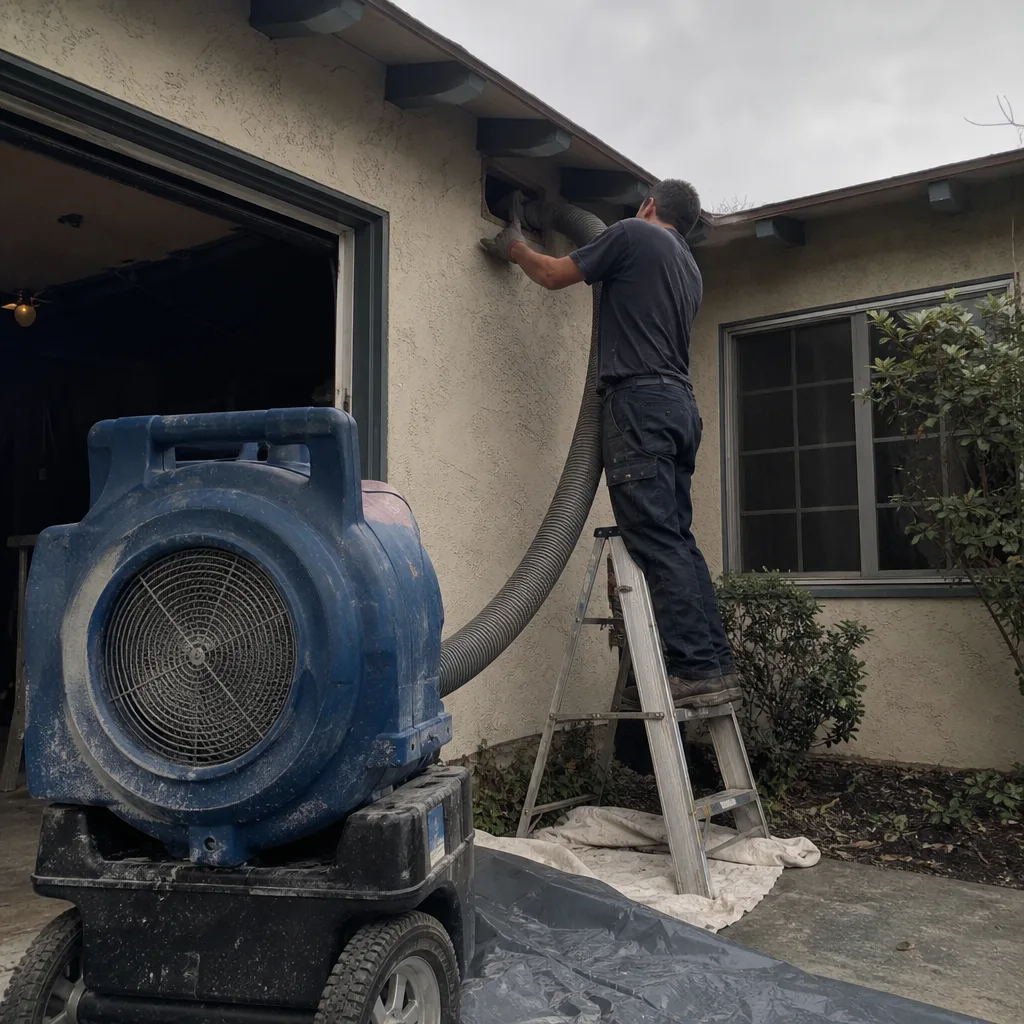 Before
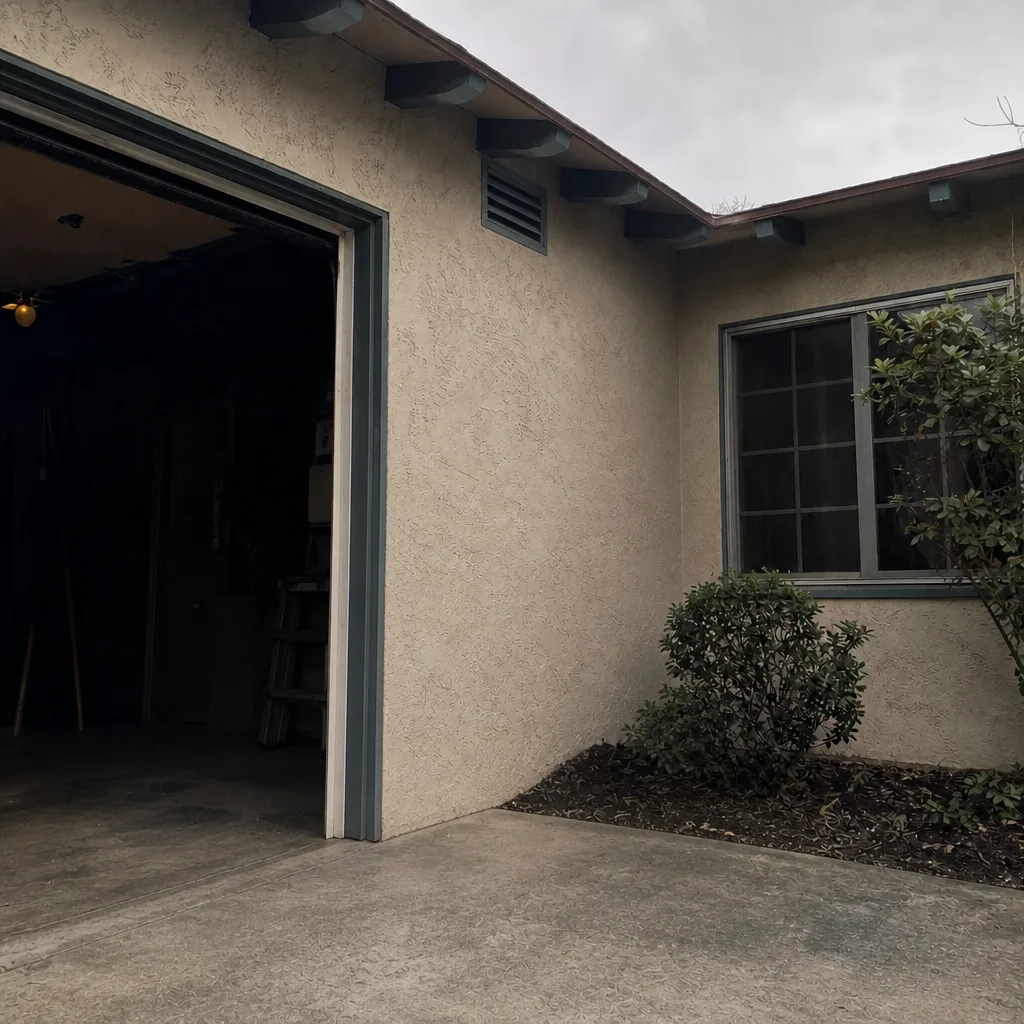 After
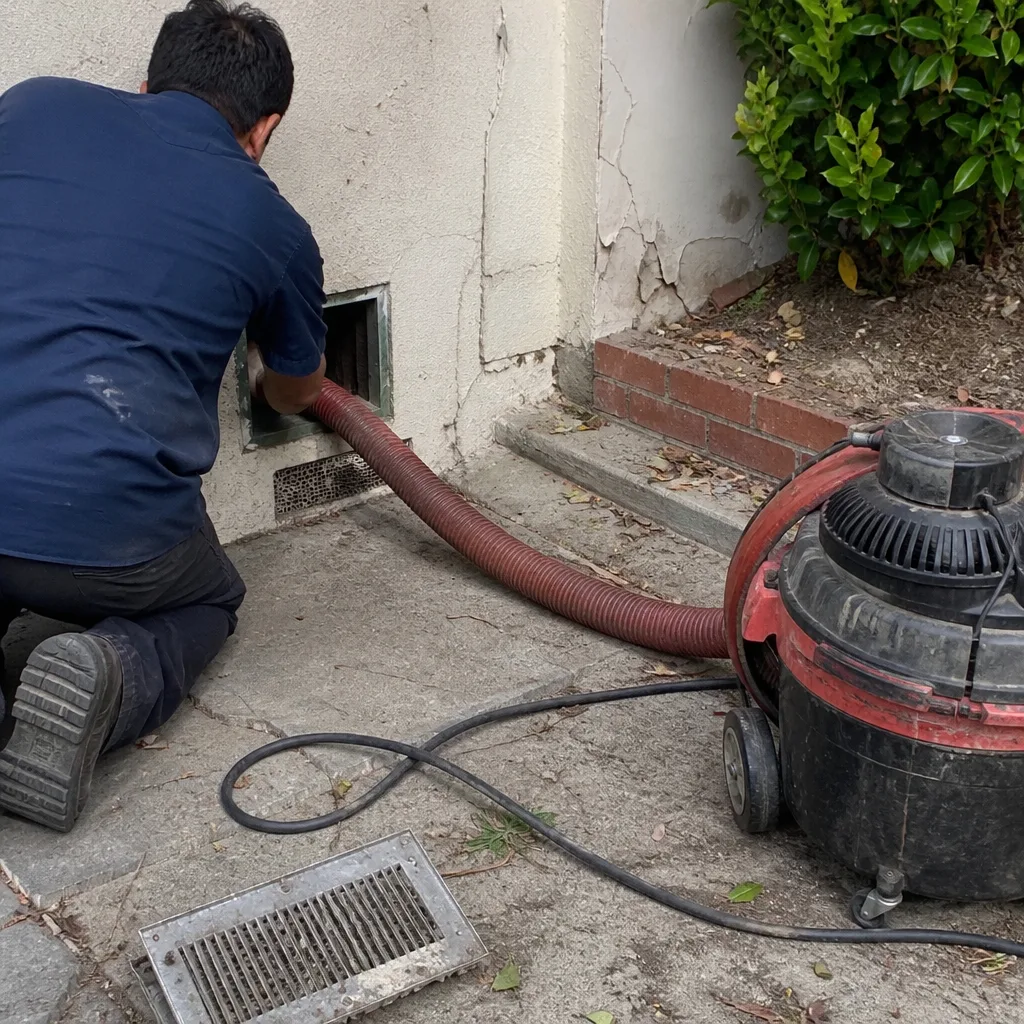 Before
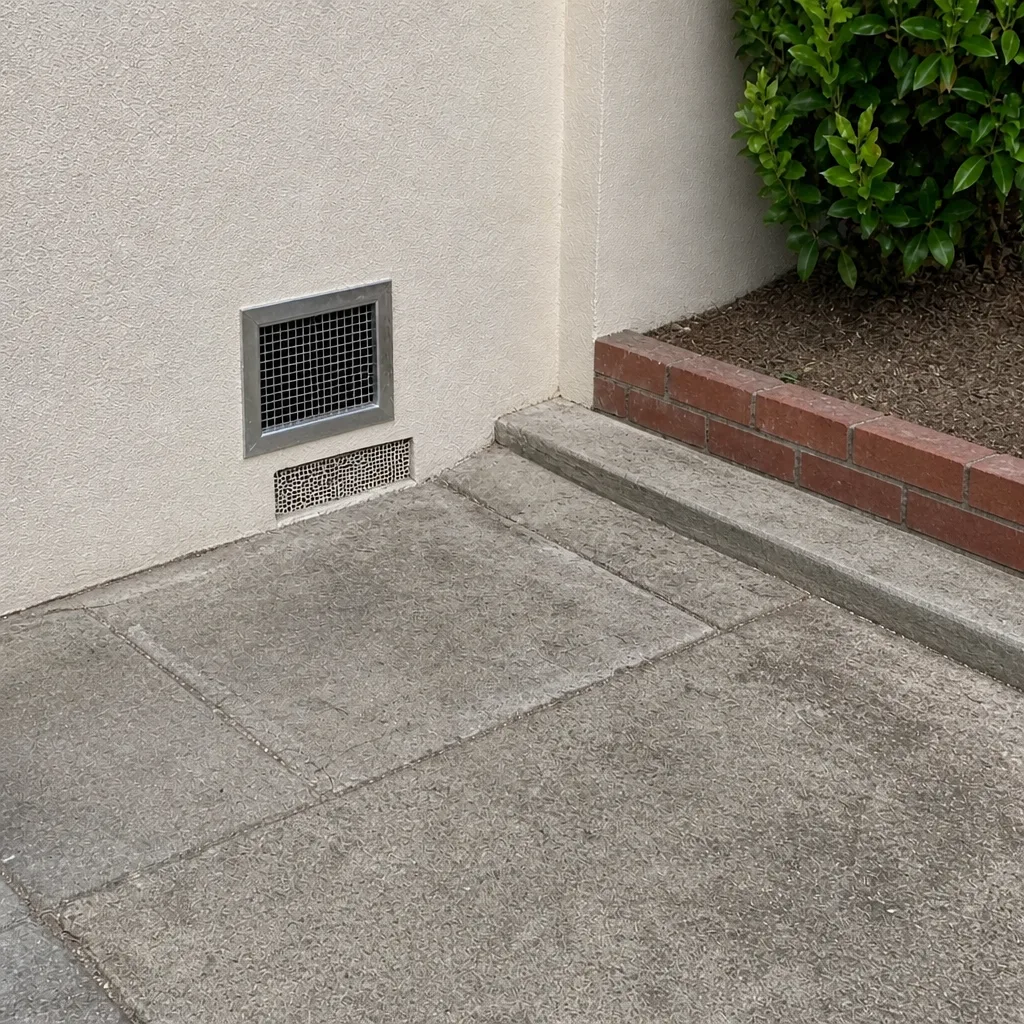 After
Frequently Asked Questions
The cost depends on the number of duct runs, the system’s condition, and whether sealing or repair is needed, and the final price is set per job by written estimate. We give one flat price per system, agreed before any work starts, with no per-vent pricing. Call (866) 937-7218 for an exact quote; estimates are free.
You can clean the register grilles, replace the filter, clear the dryer vent, and inspect accessible duct connections, but a shop vac cannot clean the interior of the trunk lines. Consumer equipment generates roughly 100 CFM of suction, while professional units run 12,000 to 16,000 CFM, and without rotary agitation you’re not removing bonded debris. Call (866) 937-7218 to find out whether your system needs the full treatment.
Cheap quotes usually mean per-vent pricing, a partial clean that skips the blower wheel and coil, or a teaser price that grows once the technician is on site. The honest version is one flat price per system agreed in writing, with before-and-after photos of your own ducts. Call (866) 937-7218 for a quote that’s actually comparable.
Ask for before-and-after photos of your own ducts, not stock images. A legitimate contractor has them and shows the same runs they flagged during the inspection. Pair those with a flat price agreed up front, and you’ve closed the loop on the bait-and-switch problem. Call (866) 937-7218 to book a visit with documented results.
There’s no calendar interval that fits every home; the trigger is conditions, not time. Post-renovation, allergy households, and systems that haven’t been cleaned in five or more years are the clear cases for professional cleaning. A newer home with sealed ducts and current filter maintenance can reasonably wait. Call (866) 937-7218 and we’ll help you decide for your house.
Cleaning removes the accumulation of dust and particulate that serves as a trigger source, and it helps most when the ducts are genuinely loaded, such as after a renovation or a long interval between cleanings. It doesn’t cure allergies, and we won’t claim it does. If dust or odor is an obvious issue at the registers, professional cleaning with containment is the right first step. Call (866) 937-7218 for a free estimate.
The Bottom Line
The DIY versus professional question isn’t about skill, it’s about equipment physics. DIY cleaning legitimately handles register grilles, filters, dryer vents, and visual inspection, and those tasks are worth doing. What DIY can’t do is generate enough negative pressure to dislodge bonded debris from trunk lines and capture it, which means a shop vac against a register doesn’t clean the system. Some partial DIY methods actively redistribute contamination into the living space, and in a Los Feliz home with recent renovation debris or an untouched system, that’s the worst possible outcome. Our advice: do the prep work yourself, call a professional for the cleaning, and get a flat price per system with before-and-after photos.
Our technicians have up to 11 years of experience, and we bring the equipment that separates a cleaning from a dust event. Air duct cleaning Los Feliz covers the full air pathway: supply and return ducts, blower wheel, coil, and dryer vent, with sealing and sanitizing available in the same visit. Call (866) 937-7218. We answer 24/7. Fast dispatch from 7am to 7pm, Sunday through Friday. Estimates are free.
Written by the team at Air Duct Cleaning Los Feliz.