
Last updated November 22, 2026
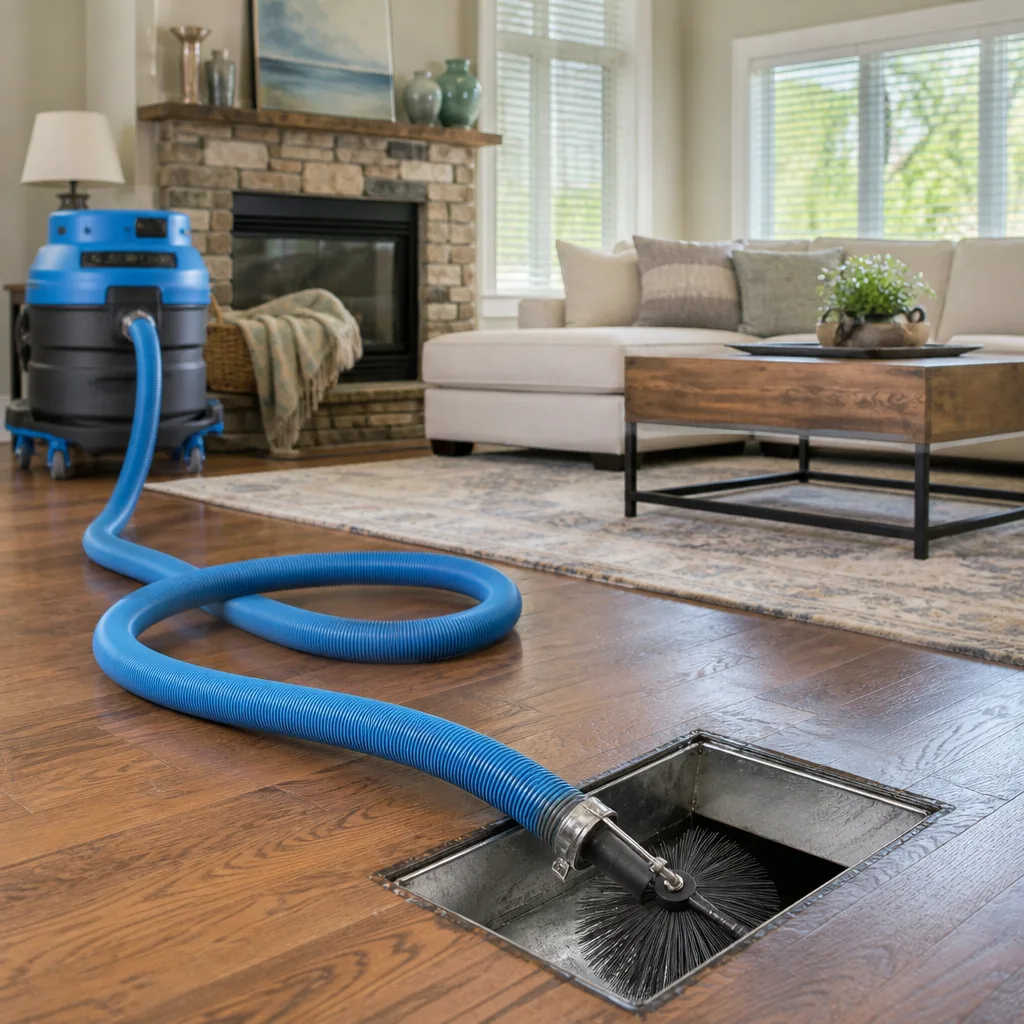 Whole-home duct cleaning
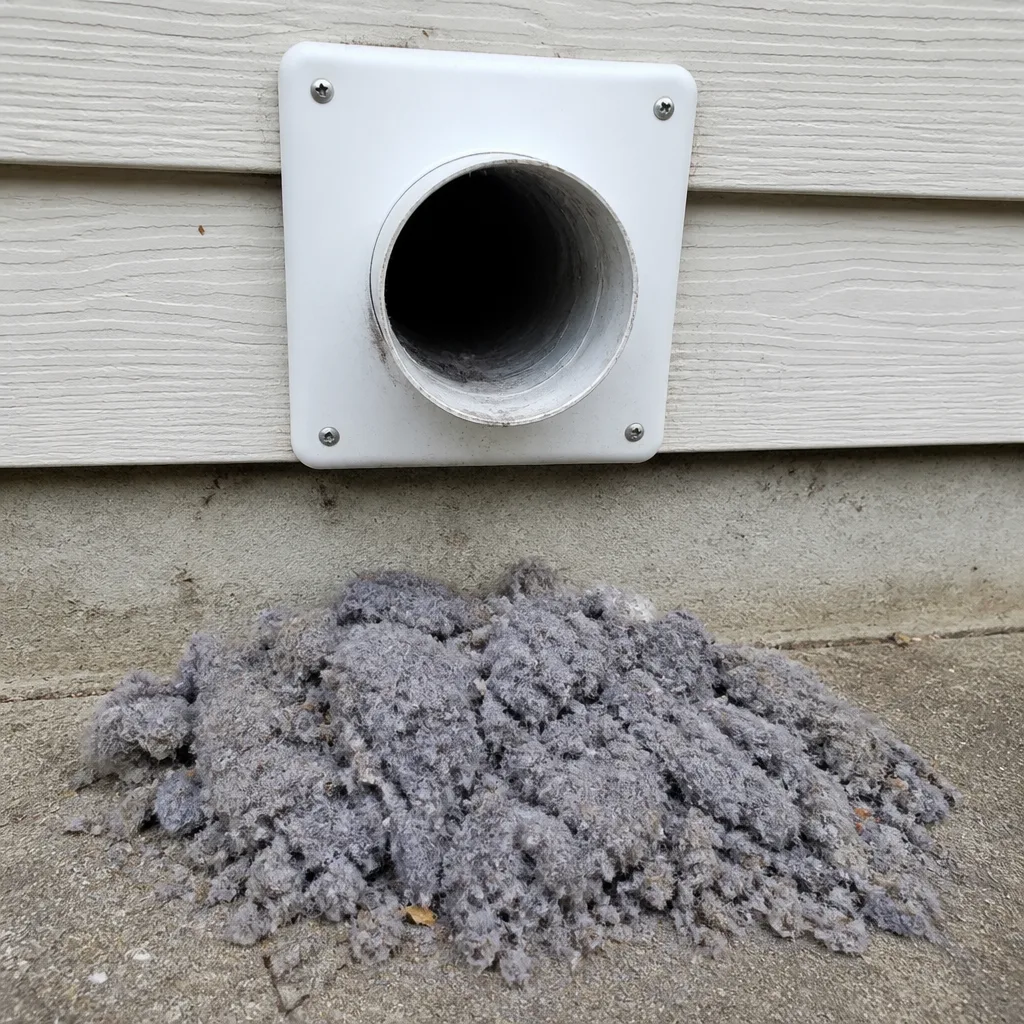 Dryer vent cleaning
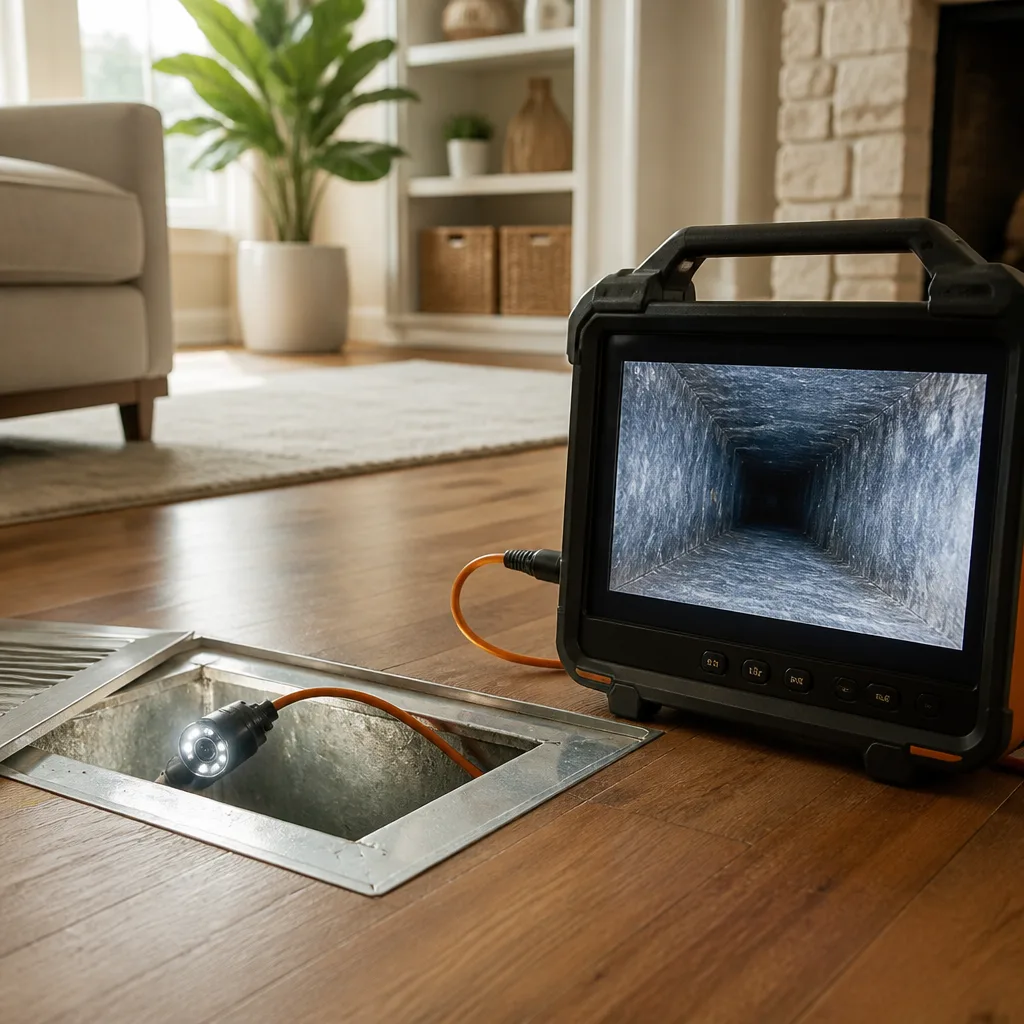 Camera inspection
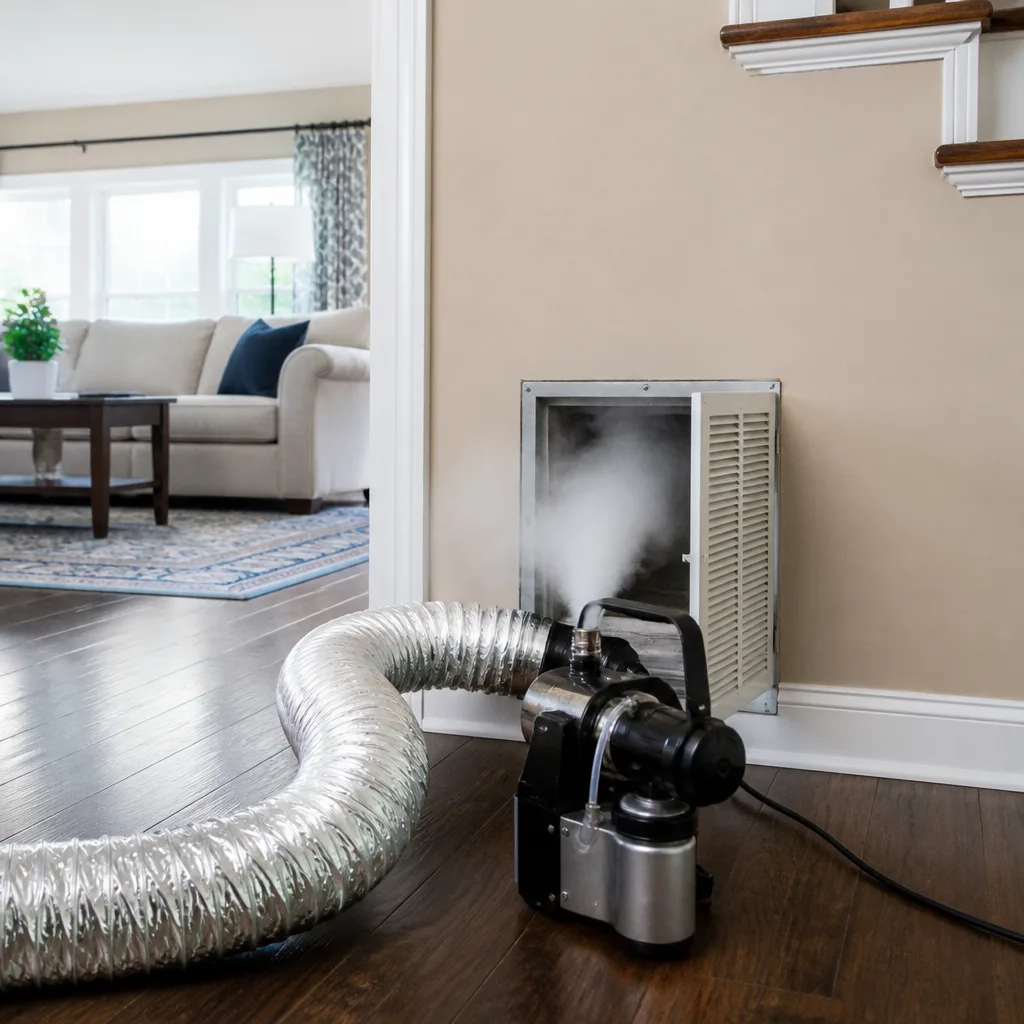 Sanitizing & deodorizing
Whole-system duct and dryer vent check with before-and-after photos - you see exactly what came out of your vents
That "$99 whole-house special" is a bait ad - the real number appears once they are in your hallway, or the "clean" is a shop-vac at the register. We photograph the inside of your ducts before and after instead.
How to Hire an Air Duct Cleaning Contractor in Los Feliz: A Step-by-Step Guide
California does not require a specific license to clean air ducts. That single fact explains a lot about this market. Any operator with a van and a vacuum can legally knock on your door in Los Feliz and offer to clean your system, which is exactly why the low-coupon model has survived here so long. The barrier to entry is close to zero, so the vetting falls on you. This guide gives you the questions to ask, the way to read a quote line by line, the red flags that show up again and again in Los Feliz, and how to lock the job down in writing before anyone steps inside.
Quick Answer
To hire an air duct cleaning contractor in Los Feliz, ask four things before you book: what equipment they’ll use (rotary brush and a high-powered vacuum, not a shop vac), whether a camera inspection is included or extra, how they contain dust with negative pressure, and what their written scope explicitly excludes. Then compare quotes by scope and process, not by headline price, and get the final scope, price and documentation terms in writing.
Styles & brands we work with
- Whole-home duct cleaning
- Dryer vent cleaning
- Camera inspection
- Sanitizing & deodorizing
Table of Contents
- Why California’s Licensing Gap Changes How You Hire
- The Questions to Ask Before You Book
- How to Read a Duct Cleaning Quote Line by Line
- NADCA Membership and the ACR Standard, in Plain Terms
- Red Flags Specific to the Los Feliz Market
- How to Structure the Job Confirmation
- What Professional Equipment Actually Looks Like
- Why Full-System Scope Matters More Than Price
Why California’s Licensing Gap Changes How You Hire
In most trades, a state license does a chunk of the vetting for you. In duct cleaning, it doesn’t. California has no dedicated duct cleaning license class, so a contractor can be entirely legitimate and carry no credential that specifically says “duct cleaner.” That cuts both ways: it means a good operator isn’t disqualified for lacking a specialty license, and it means a bad one isn’t blocked from showing up at your door.
What that leaves you with is a practical sorting problem. You can’t rely on a single badge, so you build your judgment from several signals at once:
- The contractor’s general standing. A legitimate operator carries a valid state contractor license for related HVAC work and general liability insurance as their state requires. Ask for both and actually look them up.
- Equipment and process. What they bring into the house tells you more than what they say on the phone. Rotary contact cleaning systems and high-powered vacuums are the baseline, not a bonus.
- Written scope. A contractor who puts the scope in writing, including what they won’t do, has thought about the job. One who won’t is telling you something.
- Documentation. Before-and-after photos of your own ducts are the difference between proof and a promise.
For Los Feliz homeowners, this matters more than it does in newer subdivisions. The neighborhood has a deep mix of 1920s Spanish Colonial and Craftsman homes alongside mid-century apartment buildings, and the ductwork inside them has usually been modified at least once. Some systems have been extended, rerouted, or patched by prior owners and past contractors. A contractor who only knows how to vacuum a straight run of flex duct will struggle in a house where the return plenum has been rebuilt twice. The vetting you do up front is really about finding someone equipped for that reality, not just someone with a coupon.
We say this as a company that connects Los Feliz homeowners with independent local professionals: the person doing the work should be licensed and insured as their state requires, and you should confirm it yourself. That’s not a knock on anyone. It’s just how this market works.
The Questions to Ask Before You Book
The right questions do two jobs: they get you useful answers, and they reveal whether the person on the phone has actually done this work. A trained technician answers specifics without hesitation. A call-center script reads the answers off a card. Ask these before you book, and listen for how quickly the answers come.
- “What equipment will you use, and is it truck-mounted or portable?” Professional duct cleaning relies on a high-powered vacuum paired with a rotary brush or air whip. A portable unit needs a real CFM rating to do the job; a retrofitted shop vac does not qualify. Ask for the equipment type by name. If the answer is vague, move on.
- “Is camera inspection included, or is it an extra charge?” A camera inside the duct is how a contractor sees what’s actually there before and after cleaning. It should be part of a proper job, and you should see the footage. If inspection is an add-on, you’re paying for guesswork.
- “How do you contain dust during the work?” Negative-pressure containment keeps debris from blowing back into your living space. Ask how they set it up. This is where equipment like Abatement Technologies air filtration and containment gear comes into play, and a contractor should be able to describe the method in plain terms.
- “What does your scope of work exclude?” This is the question most people never ask, and it’s the most revealing. Every job has limits. A contractor who names them up front is being straight with you. One who claims to do everything for one price is not.
- “Will I get before-and-after photos of my own ducts?” Documentation is the whole ballgame. Photos of your system, not stock images, are how you confirm the work was done.
- “What happens if you find damage mid-job?” Ducts get torn, joints come apart, and seams leak. Ask how they handle it: who decides, how the price changes, and whether you approve before anything extra happens.
Write the answers down. A contractor who gives you consistent, specific answers on the phone and then matches them on-site is one worth hiring. If the story changes when the van pulls up, you’ve learned what you needed to know.
How to Read a Duct Cleaning Quote Line by Line
Two quotes can look similar at the top and be completely different underneath. The first thing to check is how the price is structured: per vent or per system. Per-vent pricing signals that the contractor is charging by the opening rather than by the work, which usually means a quick pass at each register and nothing behind the walls. It also invites the classic upsell: the base price covers “up to 10 vents,” and your house has 14, so the number climbs before anyone touches a duct.
Flat system pricing, by contrast, prices the whole air pathway. That’s the model that makes sense for a real cleaning, because the ducts don’t stop at the register grille. Here’s how to break a quote into its parts:
- Base cleaning scope. Does it cover supply and return ducts, or just supply? Returns carry a lot of the debris and are often skipped.
- Inspection. Camera inspection included or billed separately? If separate, what does it cost, and do you get the footage?
- Containment and filtration. Is negative-pressure setup included in the base price?
- Repair and sealing. Leaking seams, disconnected joints, and torn flex are common in older Los Feliz homes. Is repair priced as a line item, or is it excluded and discovered later?
- Sanitizing and air quality treatment. Optional, itemized, and clearly separate from cleaning.
- What’s not covered. The exclusions line is the one to read twice. That’s where surprises live.
A quote worth trusting names each of these and gives you a firm number for the scope you’ve agreed on. If you can’t tell from the quote what will happen in your house, ask for it in writing before you book. The final price should be the written estimate, not a number that gets revised on the driveway.
NADCA Membership and the ACR Standard, in Plain Terms
NADCA is the National Air Duct Cleaners Association, the trade body that publishes the industry’s cleaning standard. Membership is a signal that a contractor has committed to that standard and keeps up with the trade. It is not a license, and it doesn’t guarantee a good job, but it does tell you the contractor operates inside a recognized framework rather than making it up as they go.
The standard itself is called ACR: Assessment, Cleaning, and Restoration. In plain terms, it lays out the sequence a proper job follows:
- Assessment. Look at the system before cleaning it. Inspect the ducts, check for contamination, and identify damage or disconnections. A camera makes this possible.
- Cleaning. Use mechanical contact cleaning, meaning rotary brushes and air whips that actually dislodge debris from the duct walls, combined with high-powered vacuum collection. Vacuuming alone doesn’t remove what’s stuck to the walls.
- Restoration. Put the system back the way it should be. That means sealing leaks, reconnecting joints, and addressing any damage found during the work. Cleaning without restoration leaves the root cause in place.
What ACR requires is the sequence and the method. What it doesn’t guarantee is that every NADCA member does a thorough job every time, or that a non-member can’t do excellent work. Use it as one signal among several. Ask a contractor whether they follow the ACR standard and how they handle the restoration step. The answer tells you whether they think of duct cleaning as vacuuming or as system work.
In our experience, the restoration step is where the Los Feliz market separates. Plenty of operators will clean and leave. Far fewer will tell you your return plenum has a disconnected joint and fix it while they’re there.
Red Flags Specific to the Los Feliz Market
Los Feliz has a particular pattern of duct cleaning operators, and the red flags here reflect that. The neighborhood’s mix of older homes, rental properties, and property managers means there’s a steady volume of work, and that attracts both good contractors and bad ones. Here’s what to watch for.
- The bait-and-switch upsell. A low headline price that becomes a much larger invoice once the technician is on site. The tell is a quote that prices “up to” a small number of vents and leaves the rest open-ended. Ask for a flat price for your whole system before booking.
- No before-and-after documentation. If a contractor can’t show you photos of your own ducts, you have no way to know the work was done. Reluctance to document is a red flag on its own.
- Refusal to show equipment on-site before work begins. A real contractor will walk you to the van and show you the rotary brush and vacuum. If they won’t, ask why.
- No written scope. Verbal promises about what’s covered dissolve the moment something goes wrong. Insist on writing.
- Scope creep without approval. Mid-job discoveries happen, especially in older Los Feliz homes. What shouldn’t happen is a price change you didn’t approve. Agree in advance how mid-job findings are handled.
- Vague answers about licensing and insurance. Ask for the state contractor license and certificate of insurance, and confirm them. A contractor who’s licensed and insured as their state requires will hand both over without fuss.
- Pressure to book immediately. Real contractors don’t need a countdown timer. If you’re being rushed, step back and call someone else.
How to Structure the Job Confirmation
Once you’ve picked a contractor, the job confirmation is what protects you. Get it in writing before anyone enters the house, and make sure it covers four things:
- Written scope. Exactly what will be cleaned: supply and return ducts, HVAC unit, dryer vent if you’re bundling it, and any repair or sealing work. Name what’s excluded.
- Firm price for the agreed scope. One flat price per system, agreed before work starts. The written estimate sets the final price for that scope.
- Mid-job discovery process. If the technician finds a disconnected joint, torn flex, or something worse, how is it handled? Who authorizes extra work, and how is the price set? Get the answer in writing.
- Post-service documentation. Before-and-after photos of your own ducts, a summary of what was found and what was done, and any recommendations for repair or air quality follow-up.
That last item is where a lot of contractors fall short. Photos and a written summary are your proof the work happened as described. Ask for them up front, not after, so there’s no ambiguity about what you’ll receive. If you’re hiring for a rental property you manage in Los Feliz, this documentation also gives you something concrete to show a tenant or owner.
One more point on structure: confirm who’s actually doing the work. A contractor who subs out to another crew should tell you so. You want to know who’s coming into your home before they arrive.
What Professional Equipment Actually Looks Like
Equipment is the most concrete thing you can evaluate, because it either exists or it doesn’t. Professional duct cleaning relies on two pieces of gear working together: a rotary contact cleaning system that dislodges debris from the duct walls, and a high-powered vacuum that pulls it out of the system. Rotobrush rotary brush systems are the industry benchmark for the first part. Nikro Industries vacuums and equipment, trusted by NADCA-certified contractors nationwide, are a common standard for the second.
What that means for you in practice:
- Rotary brush, not just a hose. Debris sticks to duct walls. A vacuum alone pulls loose material but leaves the film behind. A rotary brush scrubs it free so the vacuum can collect it.
- Real vacuum power. A portable unit with a proper CFM rating is a different machine from a shop vac. Ask which one is coming to your house.
- Containment equipment. Air filtration and containment gear keeps dust out of your living space during the work. Abatement Technologies equipment is the kind of thing you want to hear named.
- Camera inspection. A camera shows the contractor, and you, what’s actually inside the system before and after cleaning.
Equipment also matters for what happens after cleaning. Duct repair and sealing address the root cause of air loss and contamination, and that work requires tools and materials beyond cleaning gear. A contractor who only carries a vacuum can clean but can’t close the loop. When you’re comparing quotes, ask what the contractor can do if they find a leak or a disconnected joint. The answer tells you whether you’re hiring a full-system specialist or a one-task operator.
Why Full-System Scope Matters More Than Price
Your HVAC system is only as clean as its ducts, and the ducts are only as good as their seams. That’s the argument for hiring on scope rather than price. A cheap cleaning that leaves disconnected joints and leaking seams in place doesn’t solve the problem; it just moves the debris around. In older Los Feliz homes, where ductwork has often been modified by prior owners, this matters more than it does in a newer house with a factory-installed system.
A full-system approach covers the whole air pathway:
- Supply and return ducts. Both sides carry debris, and returns are frequently skipped.
- HVAC unit. The air handler and coil collect dust too. Cleaning ducts without addressing the unit leaves a source in place.
- Duct seams and joints. Leaks waste energy and pull contaminants into the system. Sealing is the fix.
- Dryer vent. A separate fire-risk reduction step that many duct cleaners don’t actively promote, worth doing as a standalone service.
- Air quality treatment. Sanitizing and filtration products, like Honeywell and Aprilaire solutions, bridge cleaning and long-term indoor air health.
When you’re evaluating a contractor, ask whether they can handle all of it or just the cleaning. If the answer is cleaning only, you may end up hiring a second contractor for repair and a third for air quality work. That’s not necessarily wrong, but it’s worth knowing before you book. A contractor who can clean, seal, repair, and treat under one scope saves you the handoffs.
Our technicians have up to 11 years of experience, and in that time we’ve seen how often the scope widens once a camera goes into an older Los Feliz home. Plan for it in the quote, and you won’t be surprised.
Common Mistakes to Avoid
- Booking on price alone. The lowest quote is often the one that changes on-site. Compare scope and process first, then price. A flat price for a full system is more honest than a per-vent teaser.
- Not asking what’s excluded. Every job has limits. A contractor who won’t name them is hiding something. Get the exclusions in writing before you book.
- Skipping the license and insurance check. California doesn’t license duct cleaners specifically, so verify the state contractor license and liability insurance yourself. It takes a few minutes and it’s worth it.
- Assuming a coupon price is the real price. It rarely is. Ask what the final price will be for your whole system, in writing, before anyone comes out.
- Not asking for before-and-after photos. Documentation is how you confirm the work was done. Ask for photos of your own ducts up front.
- Letting mid-job discoveries turn into a surprise invoice. Agree in advance how damage found during the work is handled, who approves it, and how the price is set.
- Hiring a cleaning-only contractor for a system that needs repair. If your ducts have leaks or disconnected joints, cleaning alone leaves the root cause in place. Ask about repair and sealing before you book.
See the difference
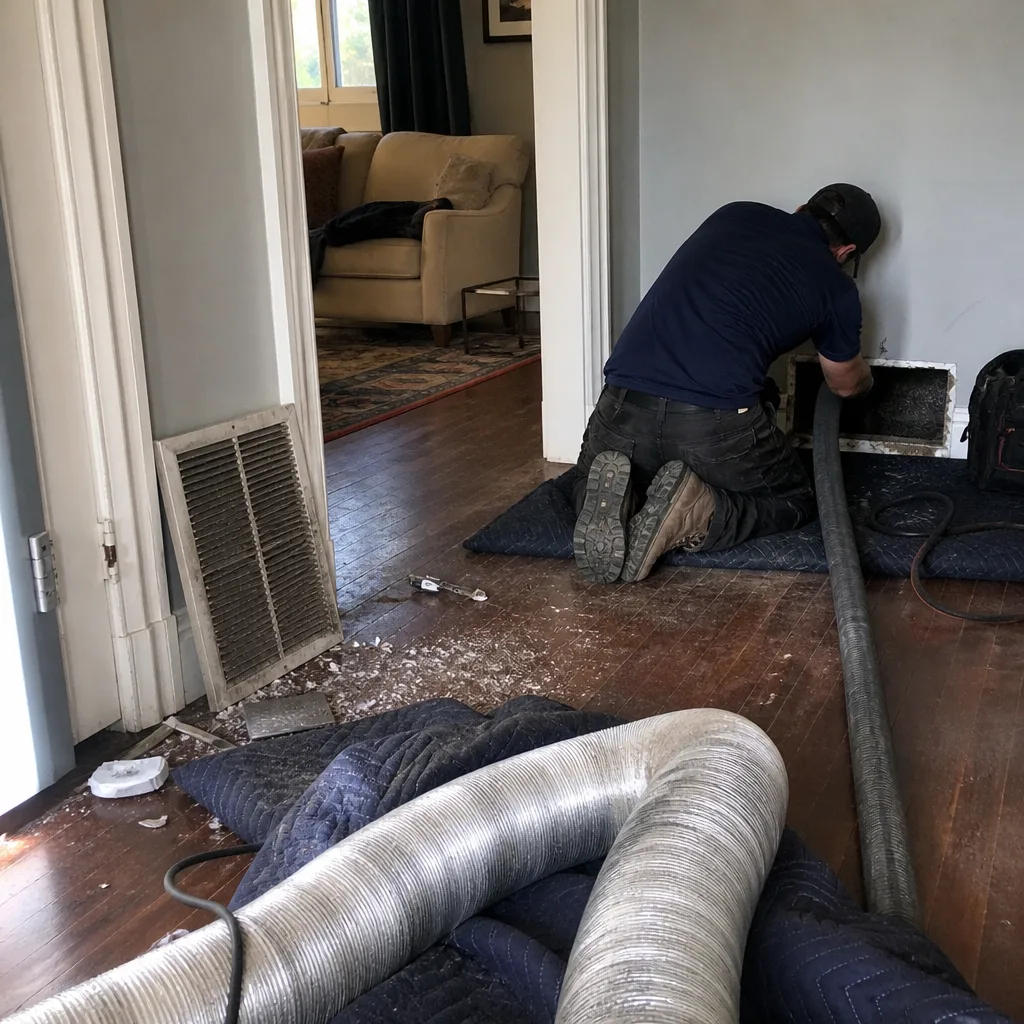 Before
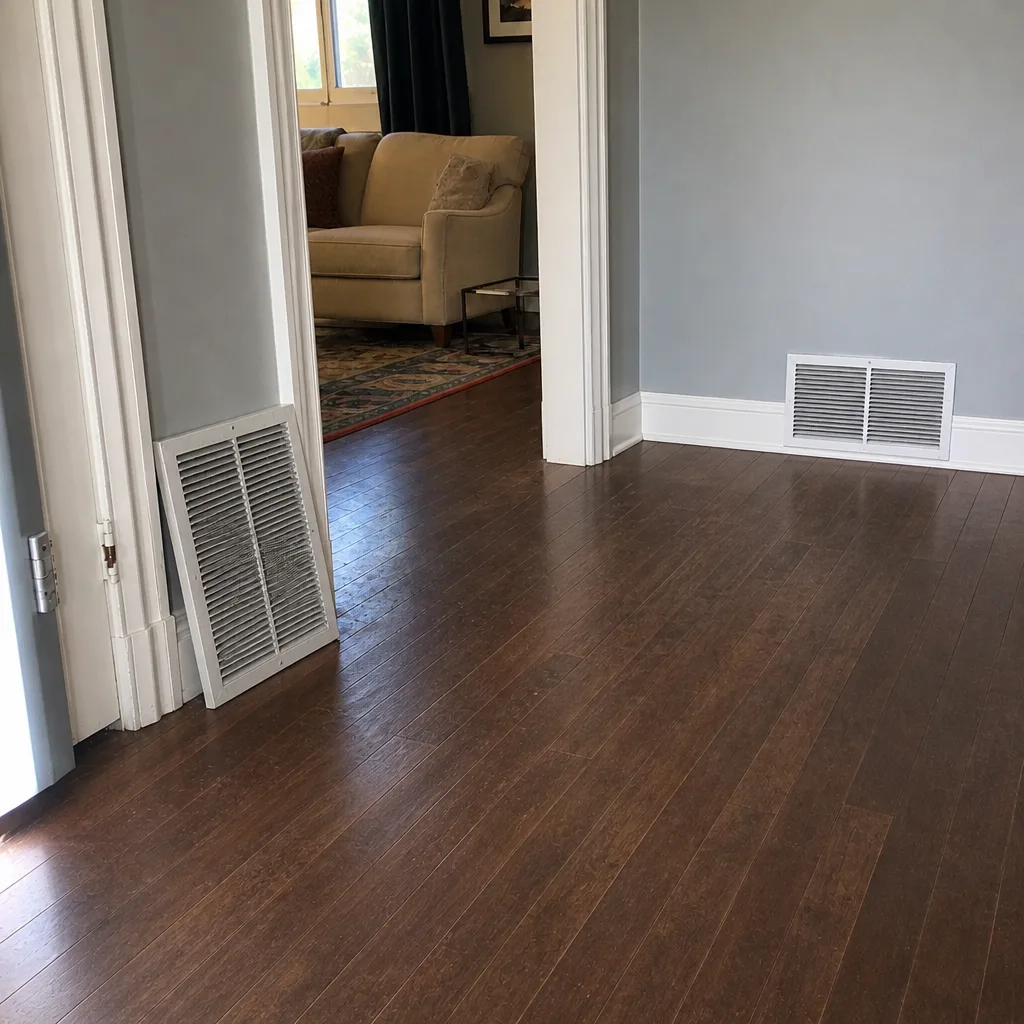 After
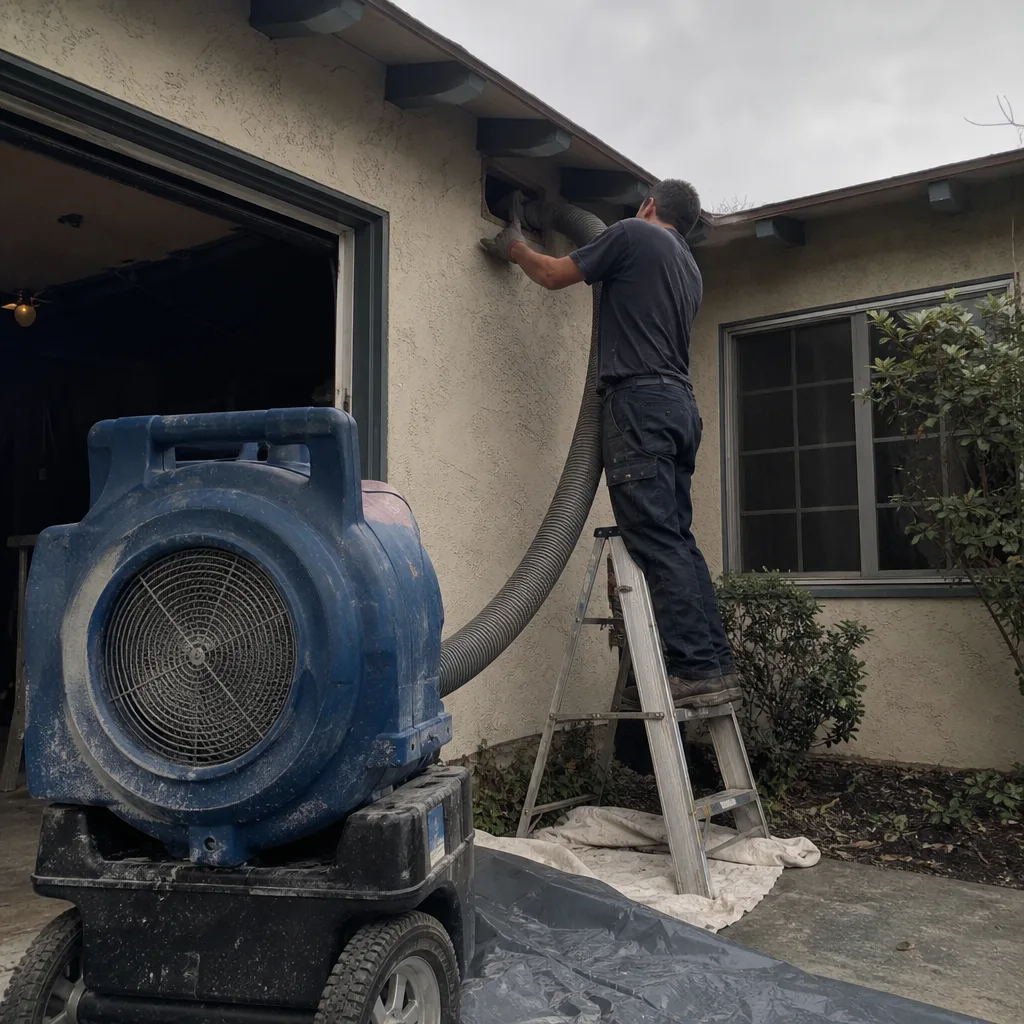 Before
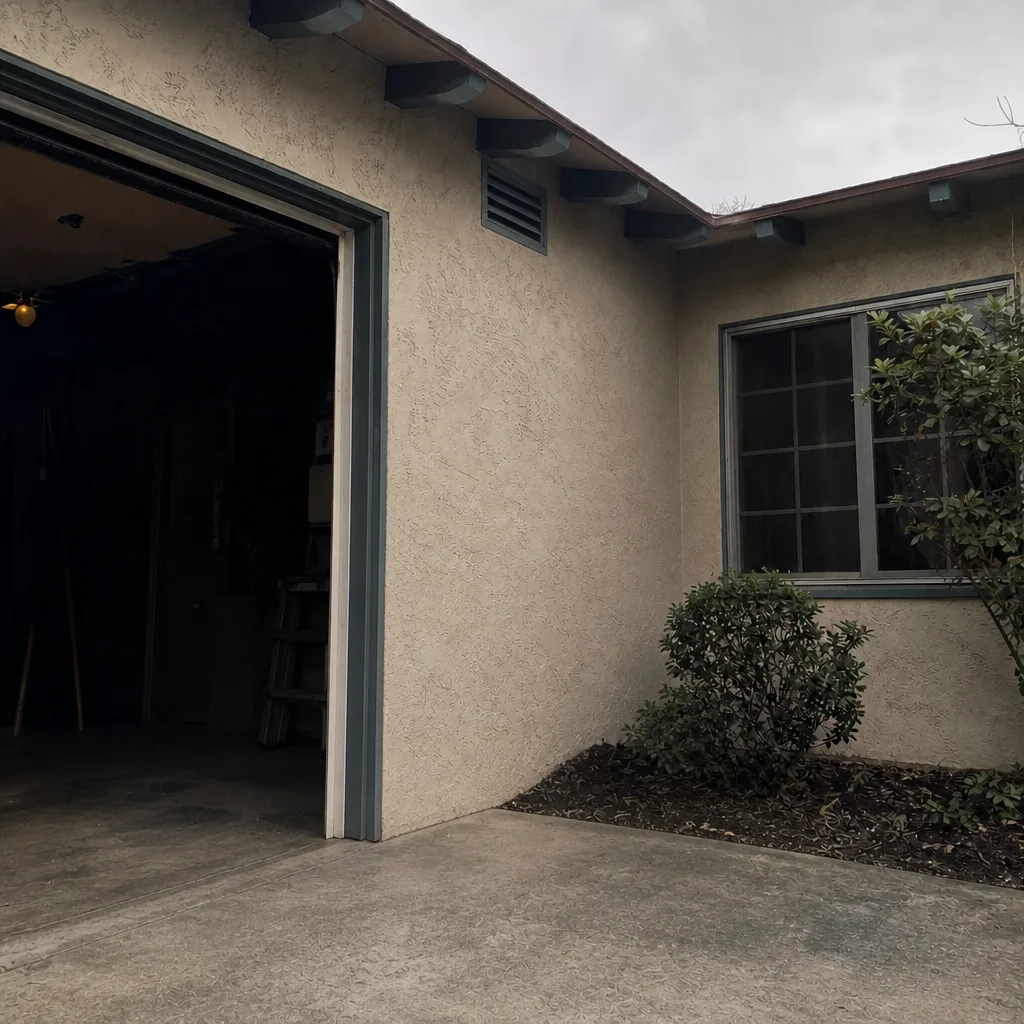 After
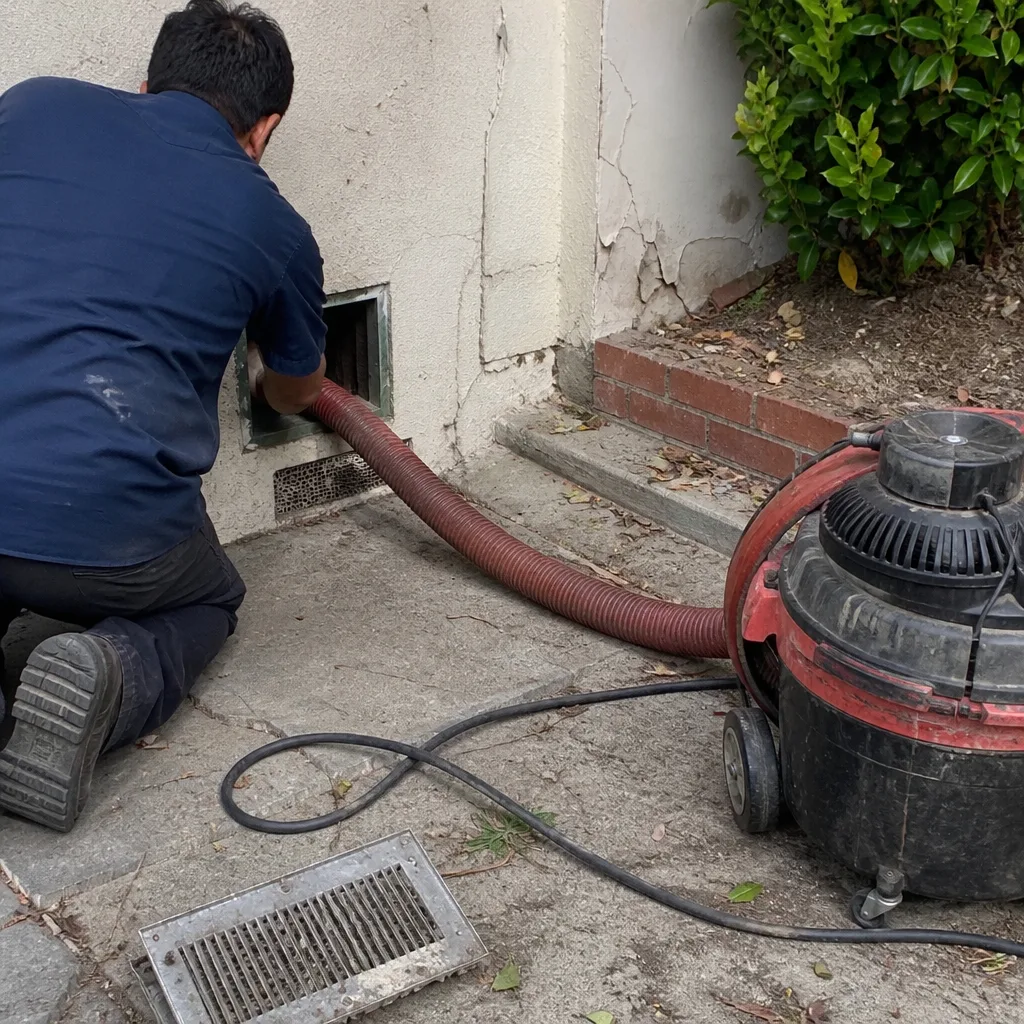 Before
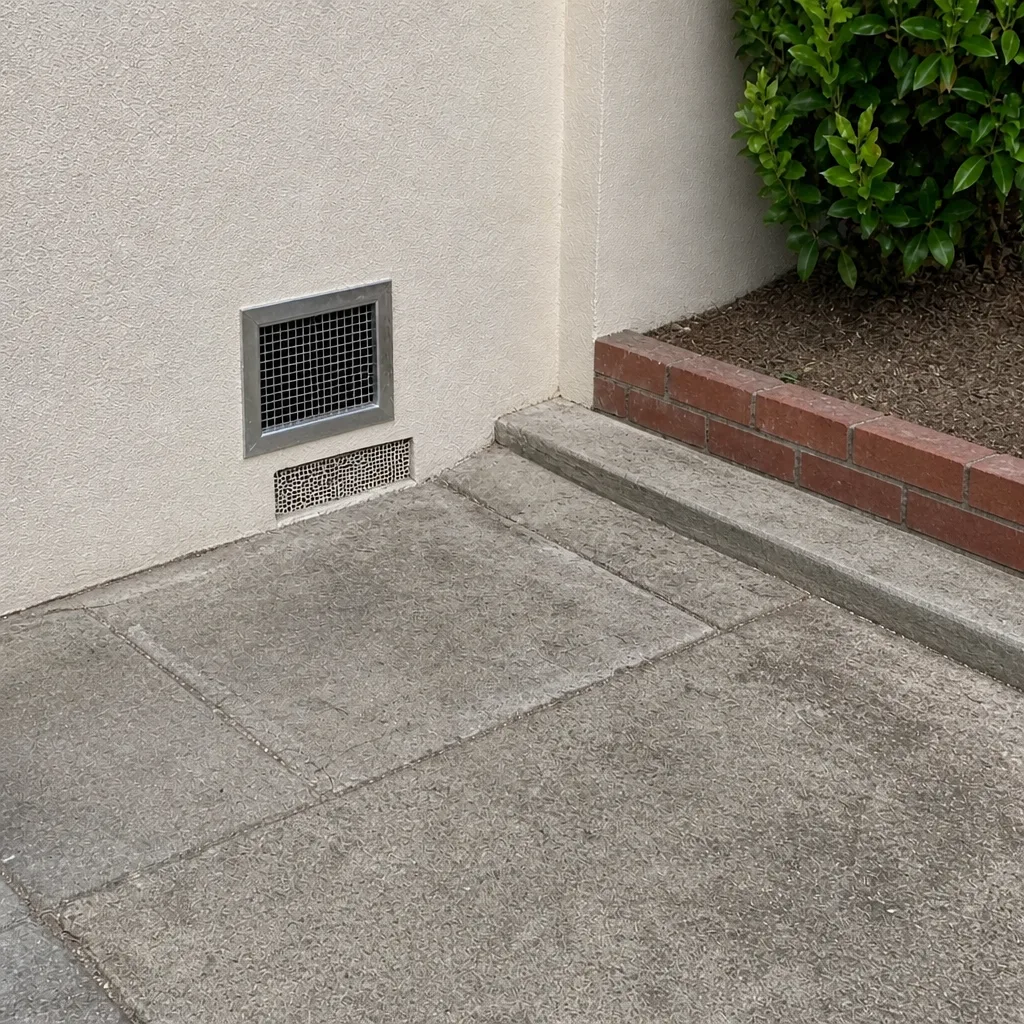 After
When to Call a Professional
Some signs mean it’s time to stop researching and start booking. If you’re seeing visible dust blowing from the registers after the system runs, if allergy symptoms get worse indoors, if your energy bills have crept up without a clear reason, or if you notice a musty smell when the heat or air comes on, the system is telling you something. Visible debris around the registers, a dryer that takes longer than it used to, or ductwork that hasn’t been looked at since you moved in are all reasons to get an inspection. If a contractor finds damaged or disconnected ducts during a cleaning, that’s not a reason to panic; it’s a reason to have someone who can repair and seal on the job.
Air Duct Cleaning Los Feliz offers free estimates in Los Feliz. Call (866) 937-7218. We answer 24/7. Fast dispatch from 7am to 7pm, Sunday through Friday. The estimate is free, and the price is set per job by the written estimate, so you know what you’re paying before work begins.
Frequently Asked Questions
Duct cleaning in Los Feliz is priced per job by written estimate, based on the size of the system, the number of ducts and returns, and whether repair or sealing is needed. The final price is set in that written estimate, not on the driveway. Call (866) 937-7218 for an exact quote; estimates are free.
Cheap quotes are usually cheap because they cover less work: fewer vents, no camera inspection, no containment, no repair scope. A low headline price often comes with an open-ended scope that grows once the technician is on site. Compare what each quote actually covers before comparing the numbers. Call (866) 937-7218 for an exact quote; estimates are free.
Ask for before-and-after photos of your own ducts and a written summary of what was cleaned, what was found, and what was done. That documentation is your proof. If a contractor won’t provide it, that’s your answer. Call (866) 937-7218 for an exact quote; estimates are free.
California does not have a specific duct cleaning license class, so any operator can solicit your home. That’s why you verify the contractor’s general state contractor license and liability insurance yourself, and ask about equipment, process, and scope before booking.
There’s no fixed schedule that fits every home. Homes with pets, recent renovation dust, visible debris at the registers, or allergy symptoms tend to need it sooner than a clean, well-maintained system. An inspection with a camera tells you what your ducts actually need rather than guessing. Call (866) 937-7218 for an exact quote; estimates are free.
Ask four things: what equipment they’ll use, whether camera inspection is included, how they contain dust with negative pressure, and what their scope excludes. Then ask for before-and-after documentation and how mid-job damage is handled. A contractor who answers all of these clearly is one worth hiring.
The Bottom Line
California doesn’t license duct cleaners specifically, so hiring one in Los Feliz comes down to the questions you ask and the answers you get. Ask about equipment (rotary brush and high-powered vacuum), camera inspection, negative-pressure containment, and scope exclusions. Compare quotes by scope, not headline price, and watch for per-vent pricing, missing documentation, and reluctance to show equipment. Get the scope, price, and mid-job process in writing before anyone arrives. Then confirm the license and insurance yourself. Do that, and you’ll end up with a contractor who cleans, repairs, and seals the whole system instead of vacuuming the vents and leaving.
If you’d rather start with a straight answer than a coupon, Air Duct Cleaning Los Feliz offers free estimates in Los Feliz. Call (866) 937-7218. We answer 24/7. Fast dispatch from 7am to 7pm, Sunday through Friday. One flat price per system, agreed before work starts, with before-and-after photos of your own ducts when the job is done.
Written by the team at Air Duct Cleaning Los Feliz.